Meaning
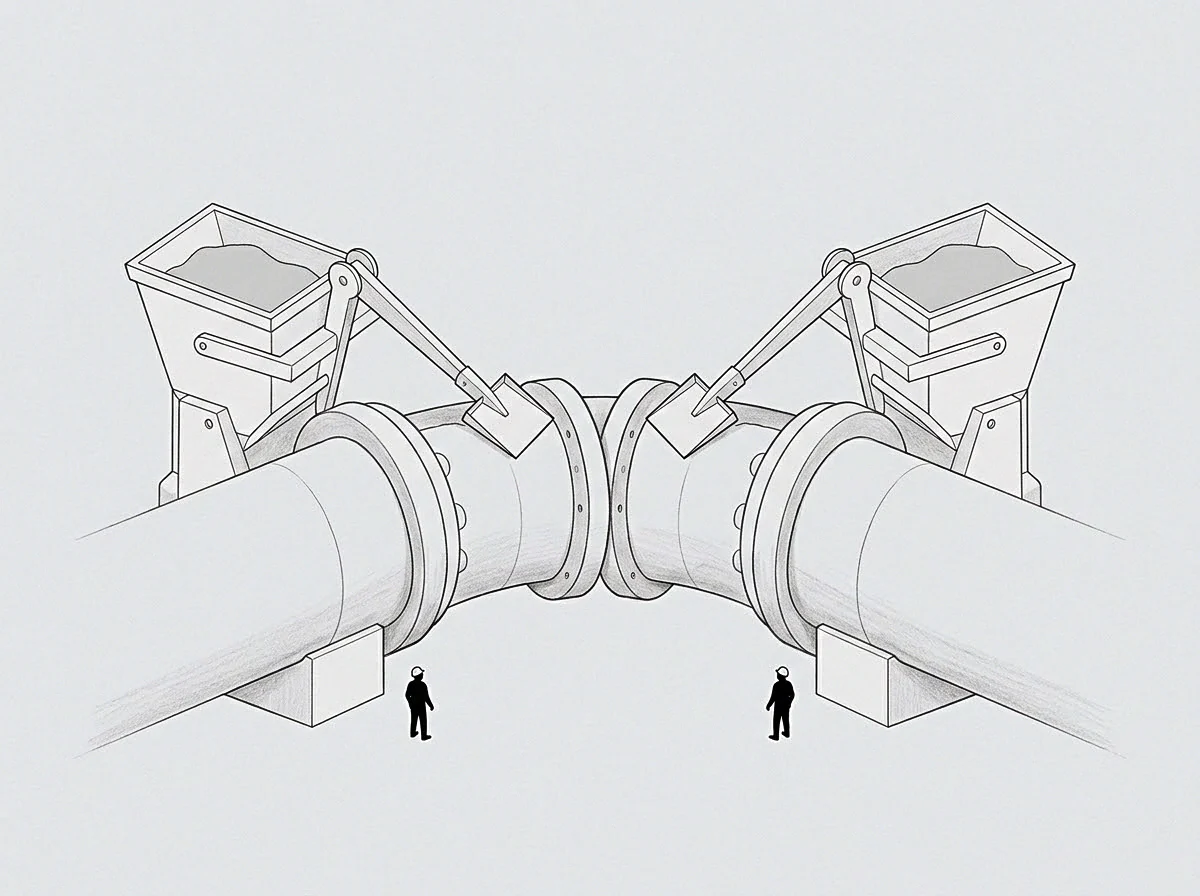
Loss of effective power over organizational decisions that occurs when a founder moves from an active management seat to a board or advisory position. This structural erosion describes the reduction in a person’s ability to influence daily operations as the distance from the information flow increases. When authority decay sets in, the informal networks that once carried a founder’s intent begin to bypass the seat, shifting instead toward the active executive team.
This process typically accelerates when the formal reporting lines are rerouted through a new chief executive officer. The cost to the former operator is measured in the loss of direct situational awareness and the increasing friction required to implement even minor changes.
Structural Erosion
Informal channels often provide the most substantial source of power within a young company. As the founder exits the manager seat, these channels for authority decay naturally because employees prioritize the feedback of the person who signs their reviews and approves their budgets. New hires who never worked under the original leadership lack the historical context that maintained the founder’s influence.
This shift is not a failure of personality but a function of the organizational structure realigning toward current operational needs. When the original leader is no longer present in the physical or digital workspace, the social pressure to align with their specific style dissipates.
Strategic Impact
Decision speed frequently increases as the organization stops waiting for the founder’s approval on minor items. While this seems positive, authority decay can lead to a divergence between the company’s long-term vision and its immediate tactical choices. This additional effort represents a substantial drain on mental capacity.
Boundary Condition
Formal governance structures provide the only reliable limit on this decline. If the founder retains a seat on the board of directors, authority decay stops at the level of fiduciary oversight and strategic veto power. Outside these legal protections, the ability to direct outcomes depends entirely on the willingness of the current management to listen.
The transition is complete when the founder’s input is viewed as a non-binding suggestion.