Meaning
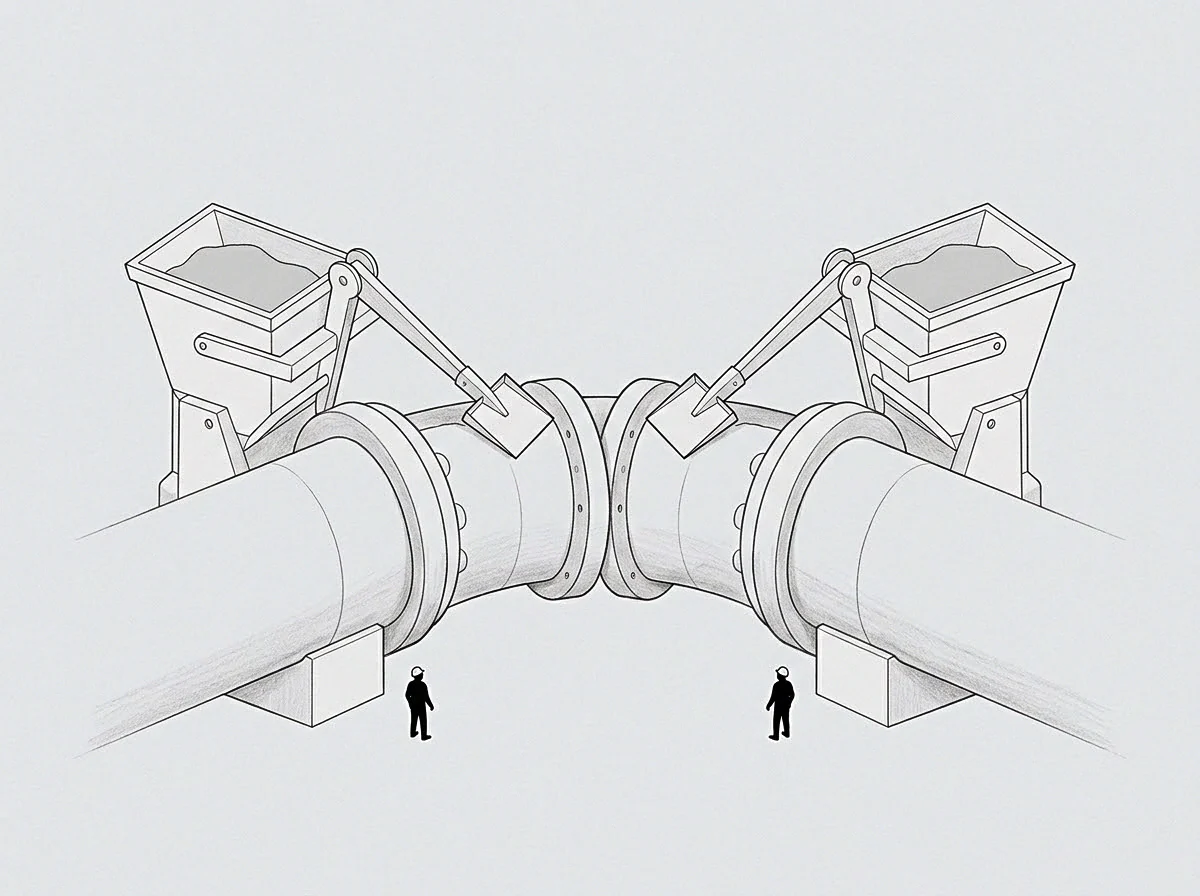
Potential for organizational instability or loss of value when a primary leader leaves a seat without an adequate replacement plan. Managing leadership succession risk involves identifying the specific skills and relationships that would be lost if a founder were to depart suddenly. The organization must build systems that do not rely on the presence of a single person.
Continuity Threat
Dependence on an individual creates a point of failure for the entire operation. If leadership succession risk is ignored, the company may struggle to maintain its culture or its technical edge after a change at the top. This vulnerability often leads to a decline in investor confidence and a loss of momentum.
Mitigation Strategy
Preparation for an eventual exit requires the cultivation of new talent within the ranks. Addressing leadership succession risk means delegating essential tasks and knowledge to a broader team well before a transition is planned. This process involves a cost in time as the current leader mentors others instead of focusing solely on execution.
Building this bench of talent ensures that no single departure can derail the progress of the company or its long term vision.
Institutional Resilience
Durability is achieved when the seat is more important than the person sitting in it. Minimizing leadership succession risk ensures that the mission of the organization continues regardless of who holds the title of founder. A resilient company survives the handover and thrives under new management.