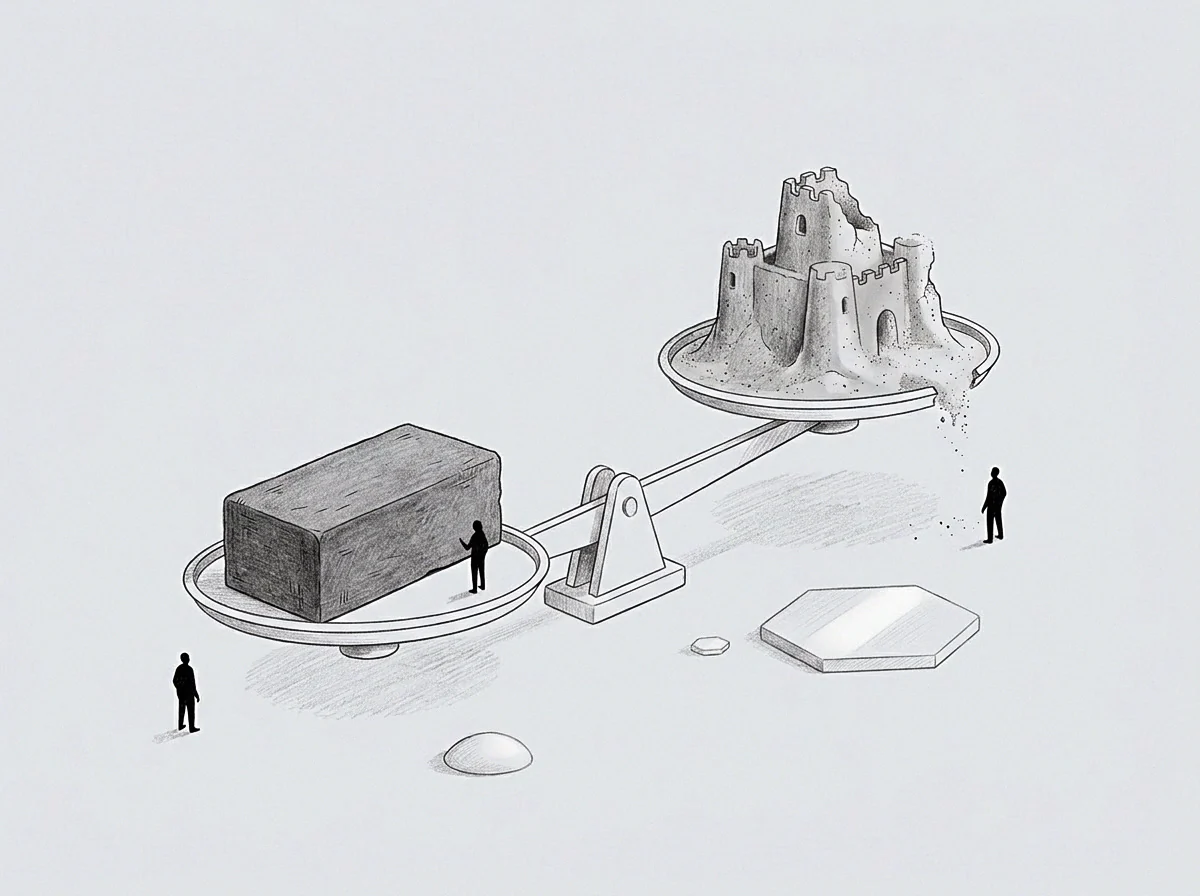
Meaning
Structural misalignment occurs when a seat holds the obligation for an outcome without the formal power to command the necessary resources. An authority deficit appears when a person retains responsibility for company-wide performance yet loses the direct command over departments now managed by others. It defines the gap between the expected results and the available tools.
Structural Friction
Operational delays occur when a manager must seek external approval for decisions that are technically within their remit. This tension within an authority deficit forces the person to spend energy on internal negotiation instead of execution, which slows the entire organization.
Resource Constraint
Budgetary limits often define the boundary of what a leader can actually influence. Without the ability to reallocate funds, a leader facing an authority deficit relies on persuasion which costs more attention than direct instruction.
Capacity Cost
Personal energy levels drop when a role requires constant justification for every action taken. The mental weight of an authority deficit stems from the accountability for failures that the individual had no power to prevent. It represents a drag on the long term effectiveness of a founder in a subordinate seat where they are expected to lead without the tools of leadership.