
Structural Authority Reversion Under Market Stress During Founder Executive Leadership Transition Processes
Market stress triggers structural authority reversion to founders through informal relational networks, destabilizing appointed successors during crises.
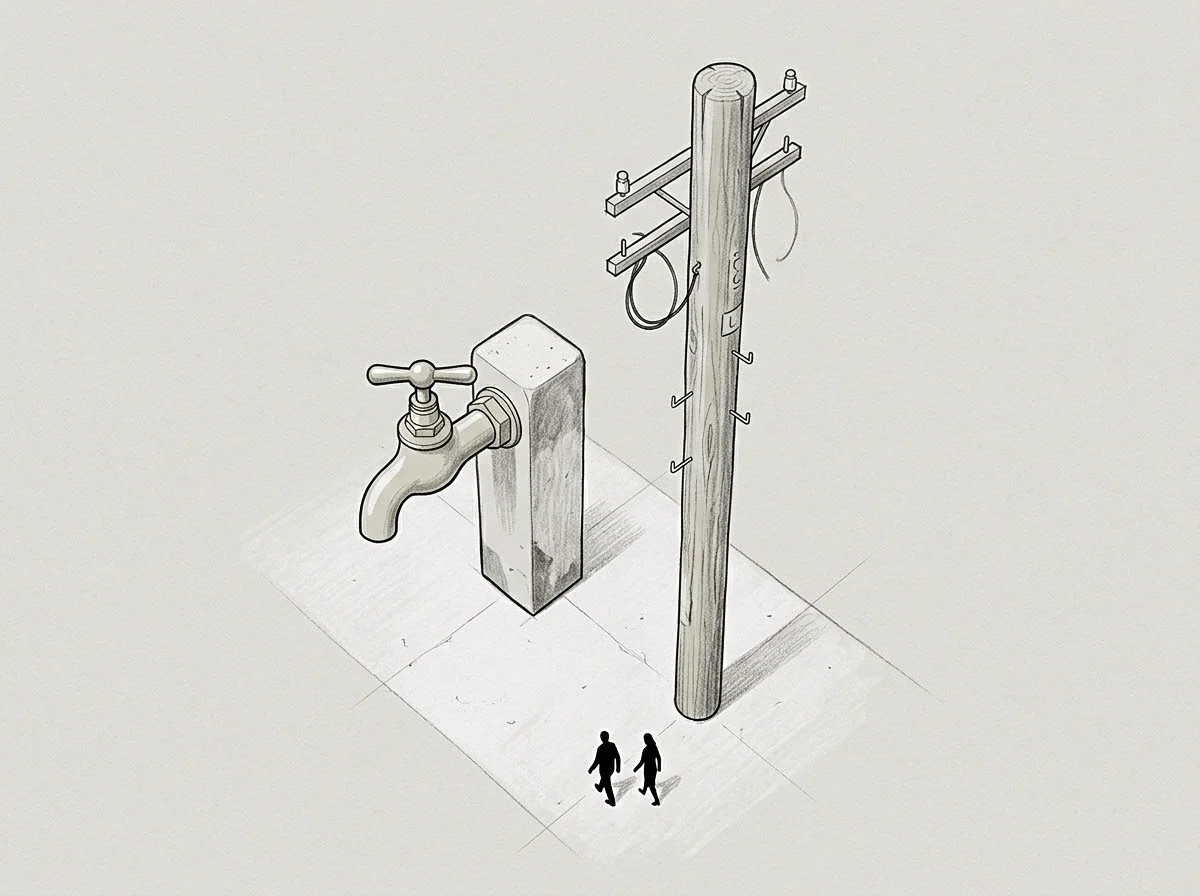
Shock
Capital contraction changes how executive handovers actually function. In stable conditions, a founder transfers decision rights to an incoming chief executive through formal delegations, set reporting schedules, and gradual budget autonomy. When revenue drops sharply or debt markets tighten, that orderly process falls apart: cash runs short, vendor agreements need immediate renegotiation, and board members start calling the founder directly on personal phones.
The structural breakdown happens where implied authority meets formal process. Governance charts designate the new chief executive as the sole accountable operator, but informal authority still sits with equity holdings, long-standing investor ties, and historical staff loyalties. The predecessor built the balance sheet through earlier development cycles; the successor holds office without the credibility earned across previous downturns.
A sudden contraction in liquidity converts informal founder influence into immediate operational command.
Under tight liquidity, executive teams end up with two command structures at once. The sitting chief executive issues cost cuts across operating units, while the founder runs private reviews with engineering leads and key accounts, giving instructions that cut across the official recovery plan. Staff routinely route contentious spending decisions back to the person who originally hired them, bringing the succession process to a halt.
Centralized founder control reasserts itself as operating authority splinters, burning capital on conflicting executive directives while clear accountability disappears.
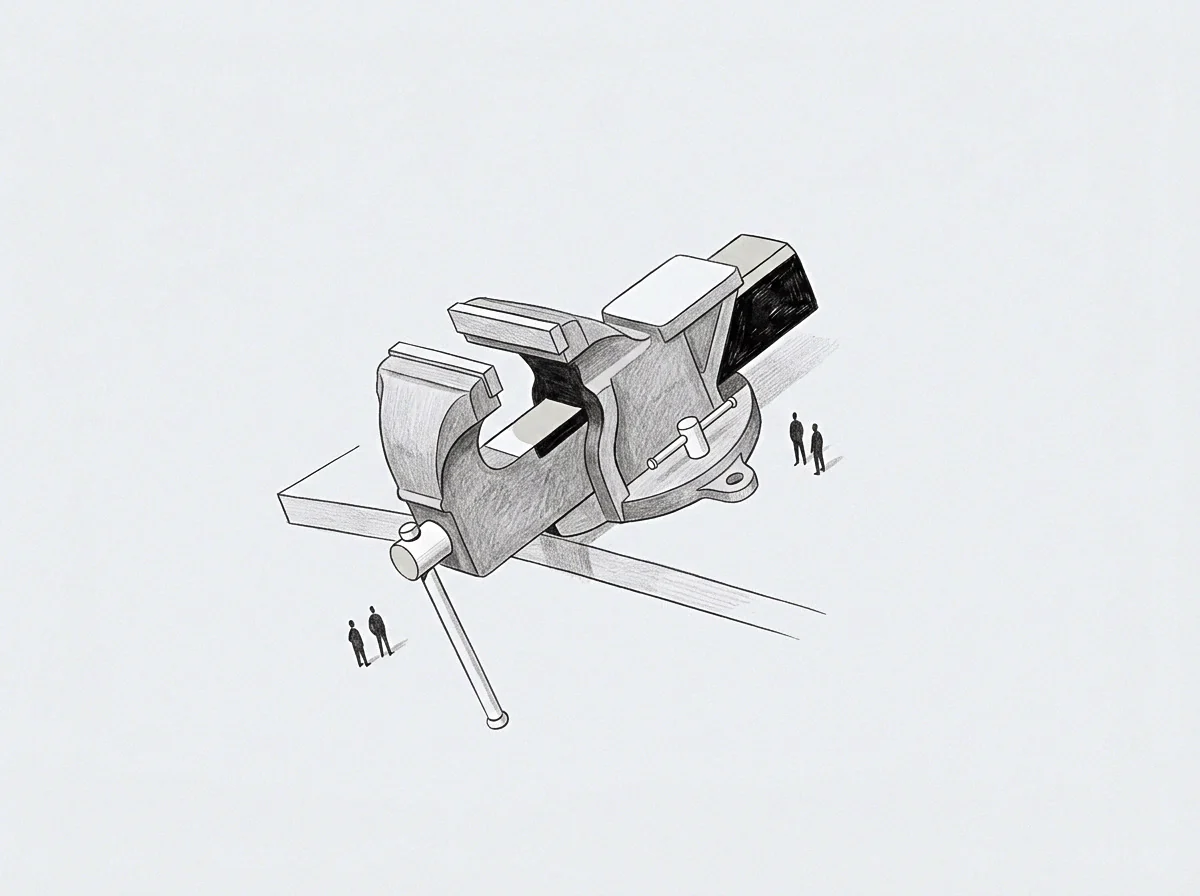
Wire
Informal communication paths run beneath official board governance, serving as the routes through which authority reverts when financial forecasts weaken. Institutional memory stays concentrated in the company’s founder, including unwritten vendor terms, historical pricing concessions, and direct relationships with early commercial partners.
Three main operational routes drive this regression:
- Direct functional bypass occurs when department leaders take budget disputes around the appointed successor directly to the original builder.
- Shadow governance channels activate when major institutional investors seek private operational updates from the previous executive without the sitting leader present.
- Informal veto execution materializes when the predecessor quietly tells department heads to delay restructuring directives initiated by the successor.
Transition plans assume delegated authority holds regardless of market volatility, but ambiguous wording creates structural gaps. The sitting chief executive exercises authority defined on paper, while the previous leader relies on voting blocks and established relationships.
Ambiguous operational covenants permit informal executive authority to override contractual governance.
The pattern is familiar in late-stage capital preservation. When runway drops below nine months, formal governance feels too slow for nervous boards. Directors look for familiarity from the person who handled earlier cash crunches and pull the founder into committee meetings, leaving the successor to manage reporting lines while the predecessor directs commercial policy.
The executive team received contradictory targets before the quarter ended.

Hinge
Handing over authority requires managing two conflicting operating models. The difference between structured delegation during growth and authority reversion during commercial distress appears across several distinct areas of governance.
| Governance Dimension | Expansion Phasing | Distress Reversion |
|---|---|---|
| Capital Allocation | Successor defines operational expenditure limits. | Predecessor exercises informal treasury vetoes. |
| Personnel Command | Executive leadership reports to appointed chief. | Department heads solicit dual approvals. |
| Investor Alignment | Formal board updates follow statutory schedules. | Direct telephone briefings bypass the successor. |
| Commercial Terms | Standard pricing policies govern sales execution. | Original builder renegotiates core client deals. |
The handover breaks down when performance drops. In a steady market, the successor relies on explicit structure: operating guidelines, defined scorecards, and regular committee meetings. These tools work as long as market swings stay within historical norms, but when severe revenue drops hit, standard procedures offer little guidance for fast capital reallocations.
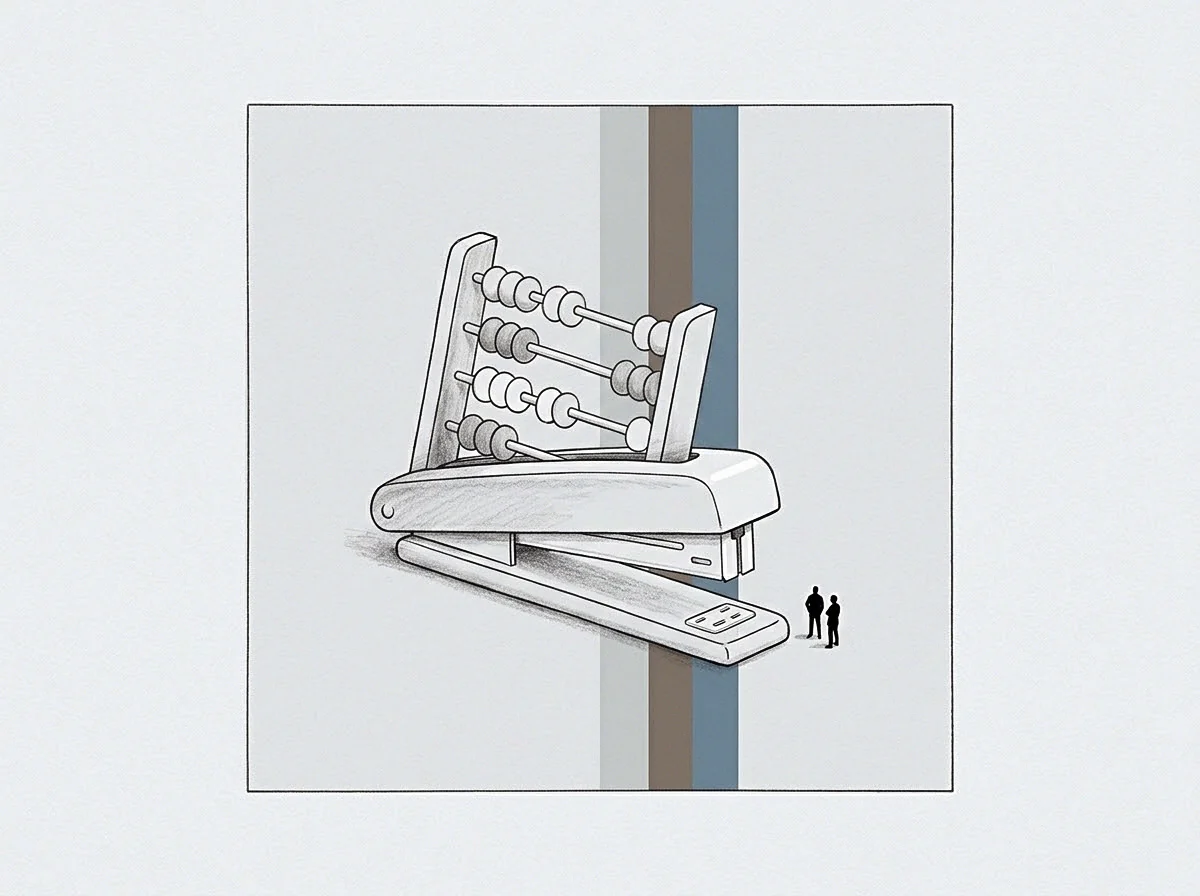
Will Shadow Executive Governance Persist Past Recovery?
These interventions rarely end when conditions stabilize. Once a predecessor steps back into direct operational control during a crisis, the line between board oversight and daily management disappears. Department heads keep seeking informal approval for major moves, and the sitting executive loses organizational standing, leaving the title largely ceremonial while operational control stays displaced.
The duration an organization can maintain split decision rights during extended downturns remains undetermined in empirical governance research.
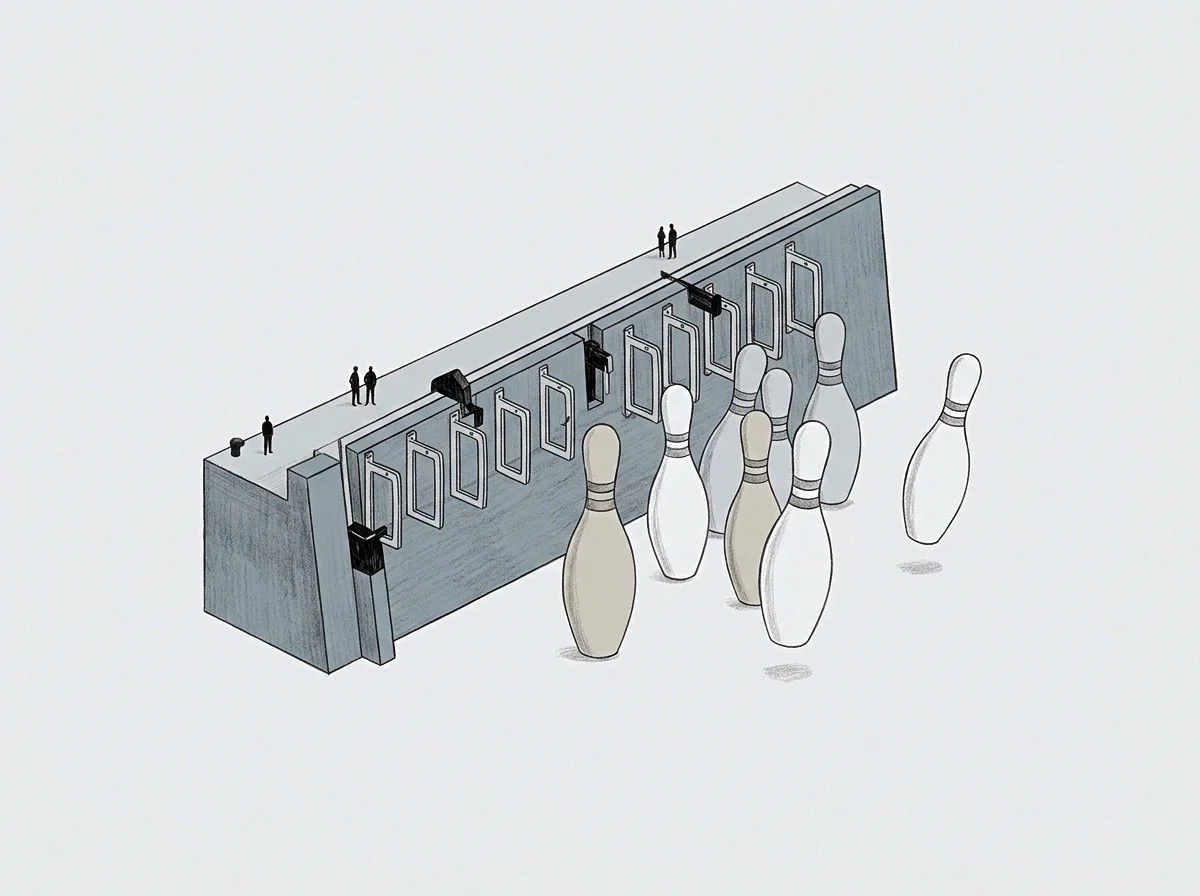
Pact
Clear contracts establish the operating boundary between board oversight and executive execution. Without explicit rules for distress scenarios, handovers turn into internal turf disputes during financial pressure. Succession charters need explicit triggers that define decision rights during downturns.
- The board defines clear solvency thresholds that distinguish routine operational corrections from material liquidity crises.
- Governance agreements explicitly prohibit non-executive directors from issuing direct operational instructions to staff.
- Formal communication protocols mandate that all investor communications flow exclusively through the sitting chief executive.
Protecting executive authority during commercial stress requires deliberate governance design. The transition agreement must state whether the previous executive keeps a board advisory role or steps away entirely. An undefined advisory post creates room for shadow management.
The board must either back the appointed executive through the downturn or begin a formal removal process on the record.
Clarity of executive jurisdiction protects enterprise value during severe economic contraction.
A formal emergency delegation trigger establishes that operational command stays with the sitting chief executive until the board executes a recorded replacement vote.
Seal
Addressing authority reversion requires a clear institutional decision. When a handover stalls under economic pressure, the board faces an administrative choice: either back the appointed successor fully or formally reinstate the founder. Running an unstated dual executive structure drains administrative capacity and stalls execution across teams.
The appointed executive needs unambiguous authority to restructure units, renegotiate capital terms, and control operational spending. If the board decides the predecessor’s specific knowledge is essential for the company to survive, the practical move is an immediate, formal reappointment. Reappointment puts legal accountability and operational control back into one role, removing the confusion of shadow leadership.
An enterprise cannot navigate acute distress with two people directing operations; clear governance design protects organizational focus during market contractions.