Meaning
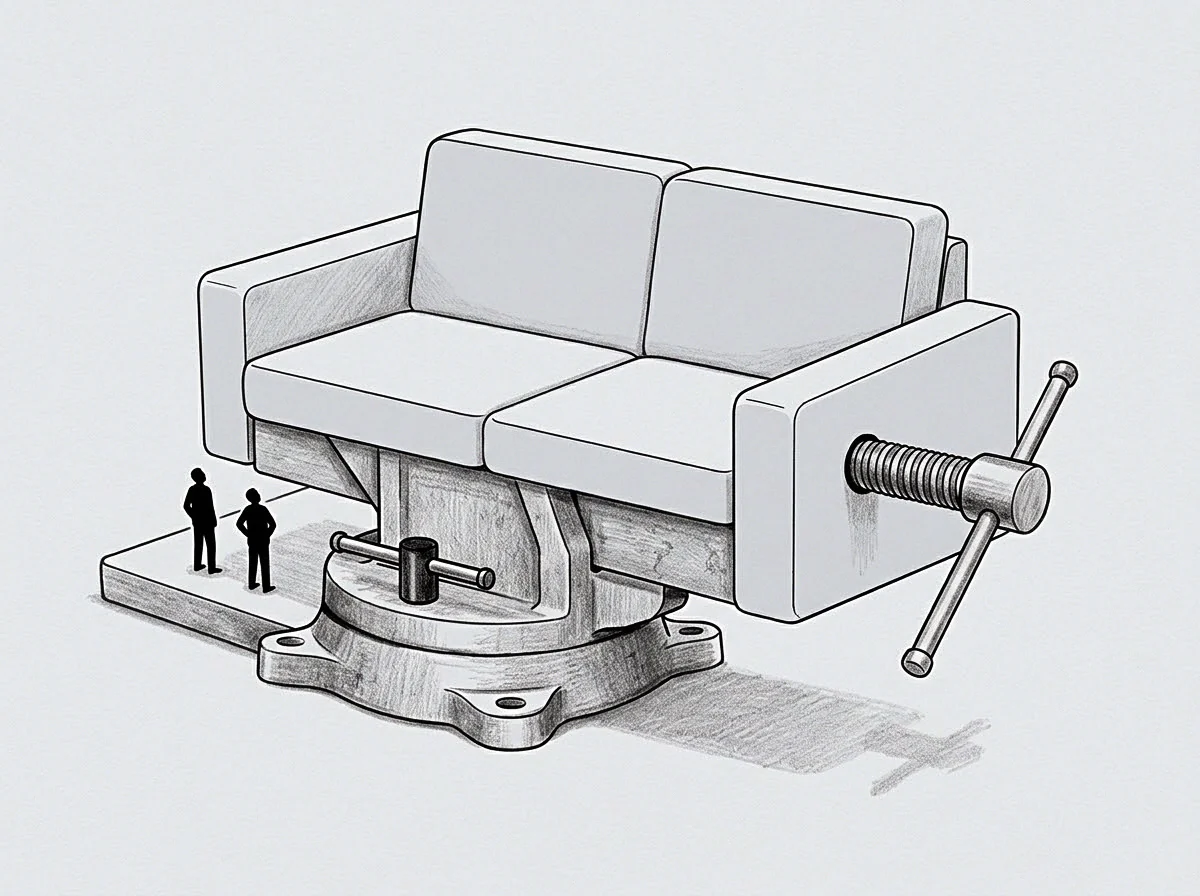
A structural decline in the decision-making influence and organizational weight of an executive who has moved from an operational role to a supervisory position. When a founder transitions from chief executive to a non-executive board chair, authority degradation occurs as the formal power to execute daily operations shifts to the new management team. This process creates a clear boundary where the former leader cannot issue direct commands but must work through board votes.
Operational Friction
Daily management interactions are often disrupted when subordinates continue to seek guidance from the former leader. This situation forces the incoming chief executive to establish clear lines of communication and command. If the board does not intervene, the new leadership becomes ineffective, causing confusion among senior executives and lower-level employees.
Strategic Boundary
Board members must establish clear boundaries to prevent the non-executive chair from bypassing the new chief executive. These rules might limit the founder’s direct contact with department heads to formal board meetings or pre-scheduled briefings. In doing so, the company protects the integrity of its operational leadership and secures a smoother transition.
Attention Drain
Energy expenditures rise when the former leader spends hours navigating informal advisory channels. This exertion can cause mental fatigue and reduces the time available for long-term planning and governance duties. The cost to the executive is high, demanding significant self-discipline to refrain from stepping into daily operations.