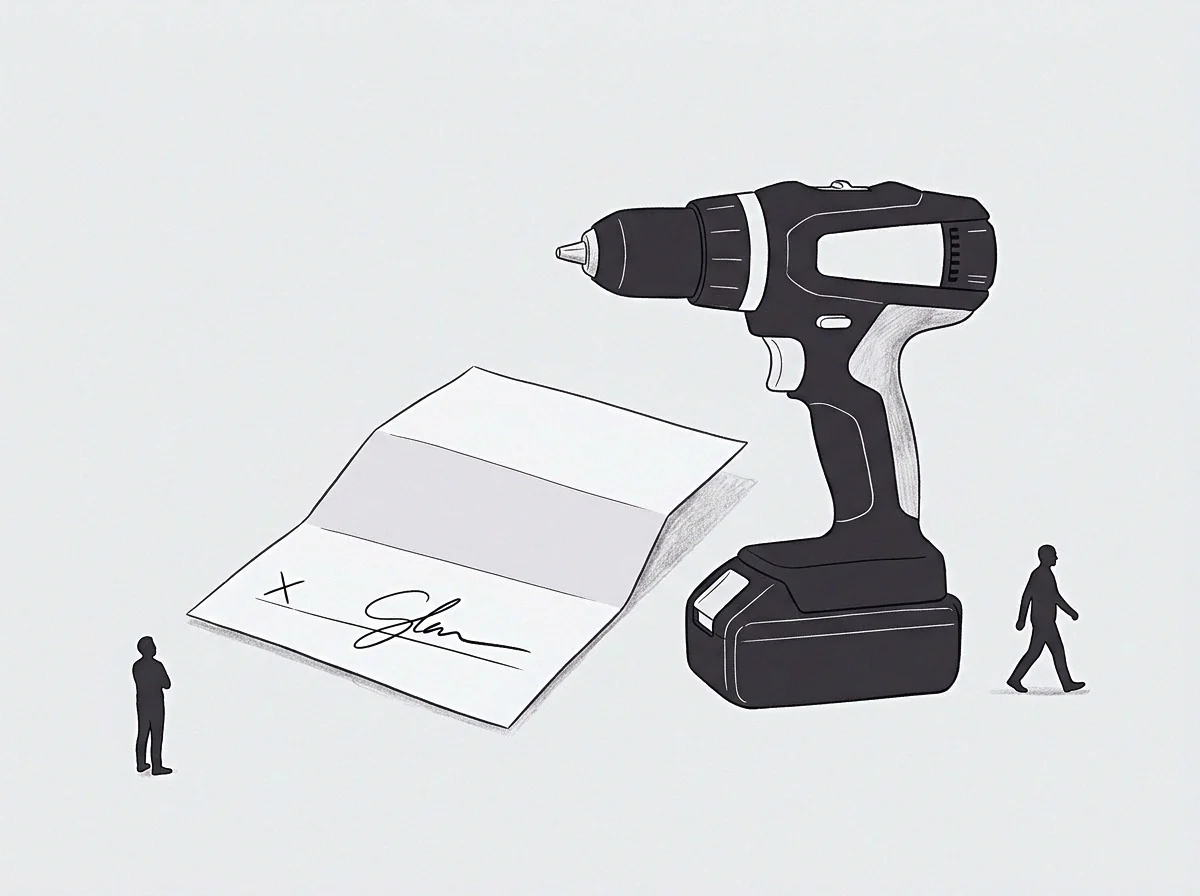
Meaning
Temporal measurement of the interval between the formal appointment of a successor and the point where that person exercises full operational control. This authority transfer latency represents the period where staff members continue to seek confirmation from a founder despite a change in official title. It stops applying when the organization accepts the new leader as the final arbiter of all departmental requests without referring back to the predecessor.
Transition Friction
Friction in the handover process often stems from the persistence of legacy communication channels that bypass the formal hierarchy. When a successor attempts to exercise power, authority transfer latency increases the time required for subordinates to accept the directive as final. This delay consumes the attention of the new occupant while forcing them to repeatedly reassert their position to the board and the staff.
It often requires the predecessor to explicitly refuse to engage with requests that belong to the new leader. By limiting the speed of the transition, the organization risks losing momentum during a pivotal phase of leadership change.
Subordinate Uncertainty
Uncertainty among the workforce regarding who holds the final vote extends the duration of the lag. Staff members may wait for a signal from the founder before acting on the orders of a successor. This hesitation drains the energy of the management team.
Institutional Stabilization
Stabilization occurs when the predecessor physically or digitally removes themselves from the active workflow. The latency disappears when the successor manages a full cycle of operations without external interference. This transition marks the point where the new seat becomes the sole source of direction.