Meaning
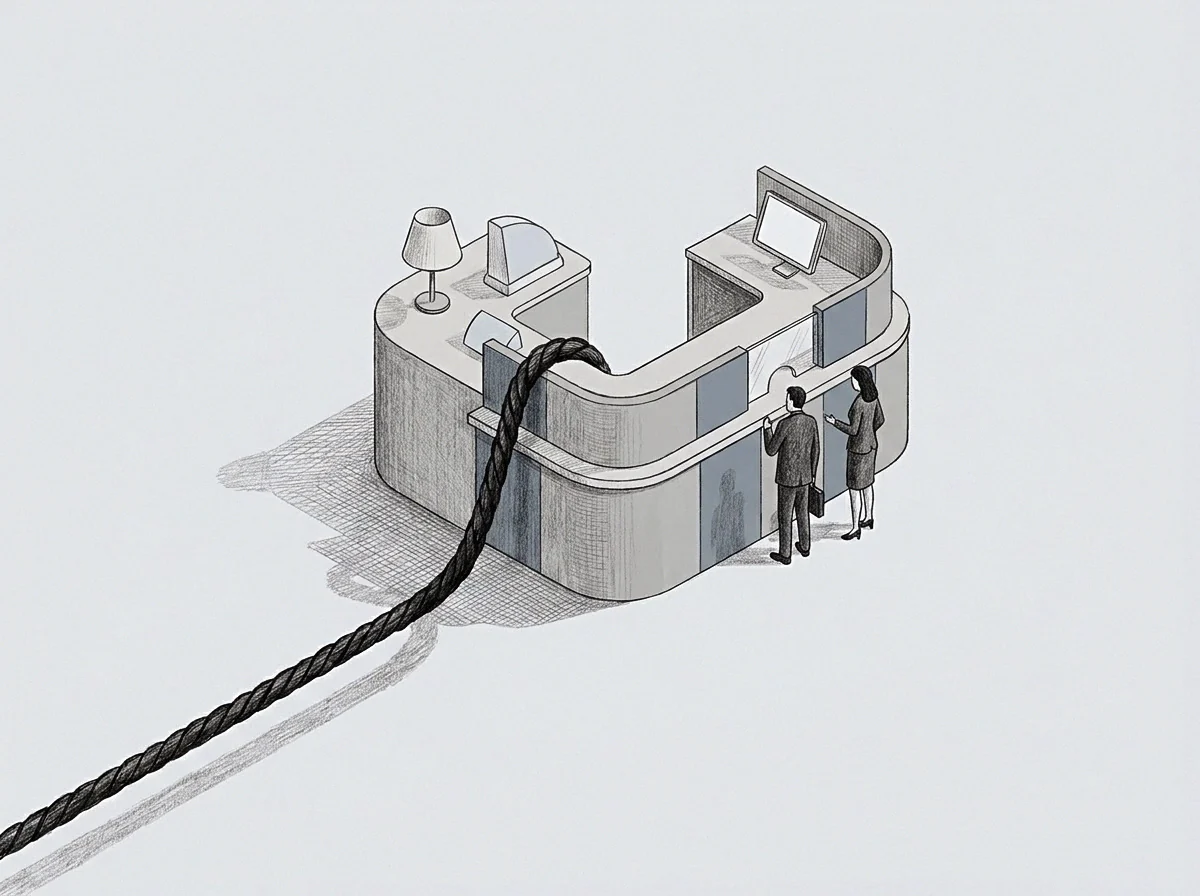
Operational flexibility in an executive seat describes the capacity of an individual to absorb duties outside formal job descriptions during commercial fluctuations. Within early-stage and transitioning enterprises, boundary elasticity measures how far a founder or functional executive can stretch functional responsibilities between technical execution, managerial oversight and operational rescue. The mechanism stops applying when structural expansion demands specialized hires or when contract terms strictly limit individual authority.
Capacity Dilation
Expansion occurs when frontline gaps threaten delivery schedules, forcing the operator to resume low-level technical work. High boundary elasticity allows an executive to balance strategic planning in the morning and write client code or handle vendor disputes in the afternoon. This flexibility acts as an operational buffer against revenue volatility.
Roles expand and contract based on weekly delivery deadlines rather than static organizational charts. Small enterprises rely on this operational flexibility to survive headcount shortages without increasing recurring overhead.
Allocation Toll
Chronic role expansion depletes personal reserves and degrades strategic focus. Repeatedly toggling between high-level capital decisions and frontline customer service fractures working days into chaotic fragments. A founder who maintains elevated boundary elasticity incurs substantial cognitive exhaustion from context switching.
Hours spent troubleshooting operational anomalies displace critical investor negotiations and executive recruiting. The resulting operational drag stalls corporate maturity, leaving the enterprise permanently reliant on informal personal heroics.
Governance Limit
Formal organizational separation establishes the upper limit of role adaptability. Enterprise expansion requires firm departmental roles, operational governance frameworks and explicit delegation policies that eliminate individual cross-functional interventions. When boundary elasticity persists past hundred-person headcounts, it breeds authority confusion, micro-management and employee disengagement.
Operational resilience requires that role boundaries harden into predictable systems rather than perpetual personal adaptations.