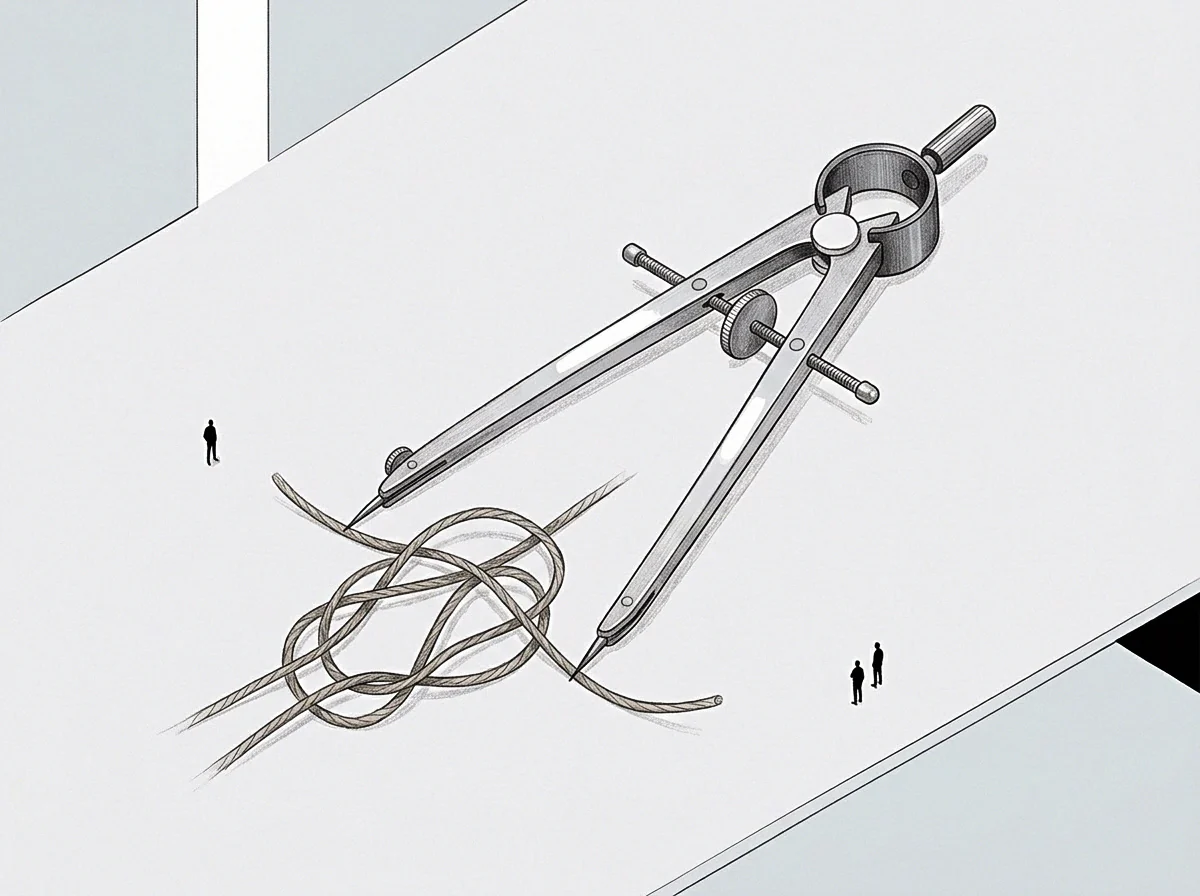
Meaning
A reserve of flexible working hours or alternative personnel maintained by an executive to handle sudden operational demands without interrupting long-term transition plans. Maintaining a buffer pool protects the founder from slipping back into daily firefighting during a corporate handover.
Resource Allocation
Task management systems for departing executives require a calculated surplus of time to absorb unexpected vacancies. A buffer pool ensures that when a manager leaves or a critical vacancy occurs, the executive does not have to sacrifice strategic focus to fill the void. The cost of this arrangement lies in the underutilization of certain assets or personal hours during quiet periods, demanding high discipline to avoid filling the reserve with non-essential duties.
Operational Friction
Administrative handovers frequently trigger friction as new hires learn local workflows. During this phase, the buffer pool provides the necessary breathing room, preventing the founder from reclaiming delegated authority. Without it, the temptation to intervene increases.
Boundary Transition
Executive detachment succeeds only when the limits of the reserve are strictly defined. When the buffer pool is exhausted, the organisation must face the consequences of its staffing gaps rather than rely on the founder to rescue operations. This forces the board to address structural weaknesses instead of exploiting the founder’s unlimited personal attention.