Meaning
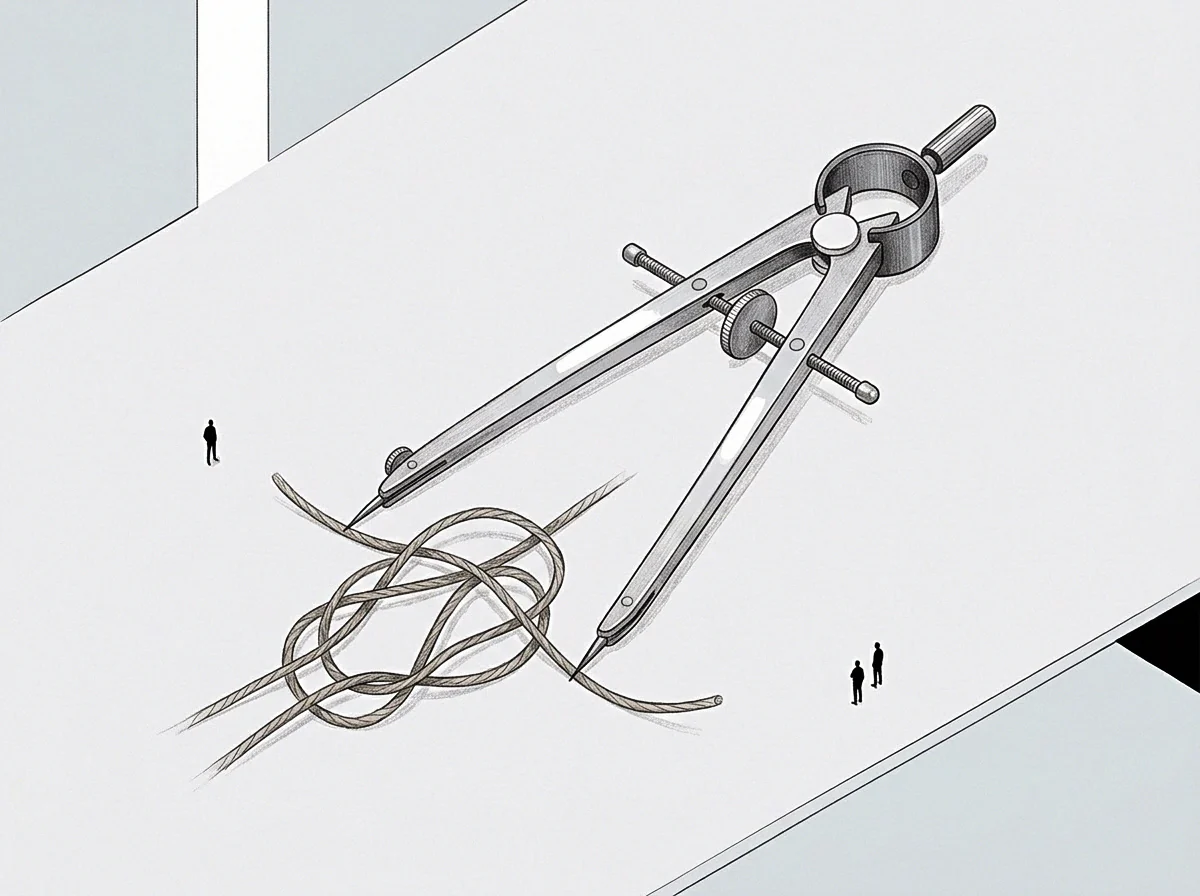
Recalibration mechanisms in founder governance adjust planned managerial effort against actual hours expended across specialized operational tasks. These capacity true-ups allow former executive founders to realign contractual time allocations when technical duties drift beyond agreed parameters. The mechanism defines clear operational thresholds for personal output while capping uncompensated administrative creep.
Beyond the specified operational boundary, extra work triggers mandatory re-delegation or additional equity grants. Former operators gain predictable schedules by fixing explicit bounds on weekly advisory participation.
Operational Friction
Operational friction emerges when a former executive attempts to perform technical labor alongside strategic oversight without formal boundary audits. Performing capacity true-ups forces explicit accounting of personal hours diverted to operational troubleshooting. Unplanned executive interventions draw mental energy from long-range planning responsibilities.
Resource Allocation
Resource allocation decisions require periodic verification of where senior technical guidance is absorbed. Regular capacity true-ups expose structural gaps in middle management that force senior leadership into low-level execution. Identifying these operational leakages allows organizations to recruit targeted personnel rather than relying on founder interventions.
Burnout Boundary
Personal health safeguards rely on strict enforcement of maximum allowable weekly effort. Institutionalizing capacity true-ups protects individuals from continuous personal strain by forcing hard conversations when work volume exceeds defined limits. Sustainable performance requires structured operational limits.