Meaning
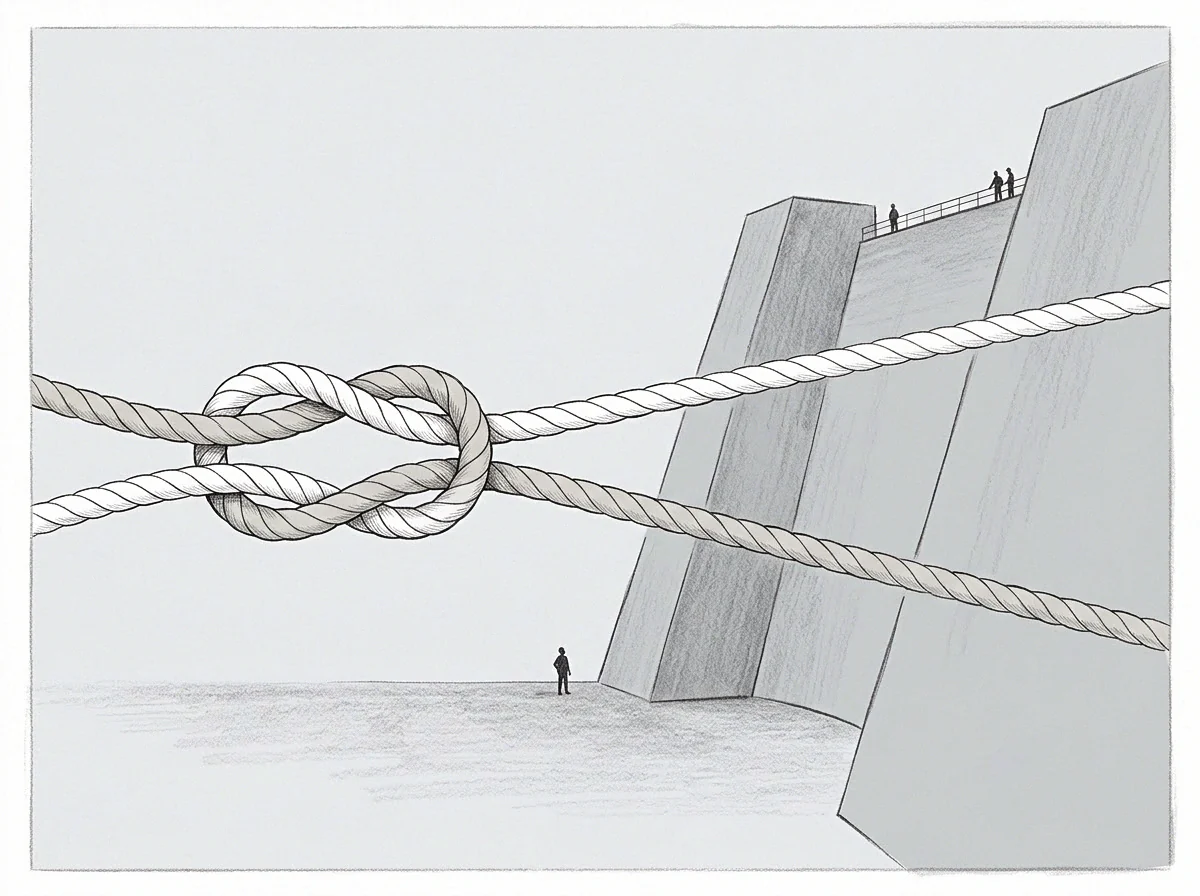
Corporate buyer integration defines the structural incorporation of an acquired entity into the operational systems of an acquiring organisation following a transaction. This structural absorption governs administrative alignment, supply chain merging, and cultural standardisation across the combined enterprise. The process halts permanently when operational independence resumes or when corporate leadership abandons the unification effort entirely.
Operational Architecture
Structural alignment requires synchronising disparate software architectures, financial reporting standards, and governance protocols. Founders transitioning into post-transaction management spend significant weekly hours reconciling legacy data structures with the acquiring platform. Operating capacity drops sharply during the initial months because leadership attention shifts away from product development toward internal harmonisation.
Cultural Friction
Workforce retention declines when communication protocols and compensation structures differ substantially between the two entities. Key personnel consume large blocks of weekly hours mediating disputes arising from conflicting corporate values and management styles. Energy dissipation accelerates when middle management receives competing directives from legacy founders and new corporate owners.
Value Realisation
Financial returns depend heavily on the speed and precision of asset consolidation across shared departments. Administrative expenses decrease when redundant support functions merge under a single supervisory umbrella. Margin expansion stalls permanently if friction prevents full operational absorption before the transition budget expires.