
Managing Client Defection Risks When Founder Earnouts Conflict With Operational Account Handover Timelines
Earnout revenue metrics incentivize sellers to retain personal client control, creating handover delays that elevate post-exit defection risks.

Clock

Temporal Misalignment In Acquisition Agreements
In professional services and enterprise software acquisitions, financial earnout periods typically span twenty-four to thirty-six months post-closing. Buyers establish operational account handover timelines that demand execution within ninety to one hundred eighty days. Transaction structures frequently separate financial settlement timelines from operational integration schedules.
This structural discrepancy creates immediate friction between the seller and the acquiring integration team. The former executive prioritizes revenue metrics that secure deferred purchase price consideration. The acquiring operator seeks rapid institutionalization of key client relationships to lower key-person risk.
When earnout targets focus exclusively on top-line retention, relationship transfer stalls.
Account retention demands continuity. When an enterprise account relies on personal affinity built over a decade, operational handover cannot occur through an introductory electronic message. The buyer expects immediate operational access to mitigate key-person exposure.
The seller recognizes that transferring direct client contact reduces personal influence over account renewals. When renewal metrics govern deferred equity payouts, delaying successor introductions becomes a rational protective behavior. Operational handover schedules assume rapid delegation.
Earnout structures punish delegation if the incoming team experiences initial client friction.
| Transfer Model | Earnout Alignment | Operational Handover Timeline | Client Defection Risk | Primary Failure Mode |
|---|---|---|---|---|
| Deferred Handover | Tied strictly to revenue retention at end of earnout period. | Compressed into final 30 to 60 days before seller exit. | High post-exit defection rate due to abrupt personal loss. | Seller hoards client relationship to protect full payout. |
| Concurrent Shadowing | Split between revenue retention and operational milestone sign-offs. | Gradual transfer over 12 to 18 months with shared client access. | Moderate client confusion during initial transition phase. | Unclear authority boundaries during live account escalations. |
| Milestone-Gated Handover | Tied to operational transfer verification and revenue floors. | Structured 90-day phase-outs per account tier. | Low defection rate with verified successor trust. | Rigid timelines conflict with client-side renewal cycles. |
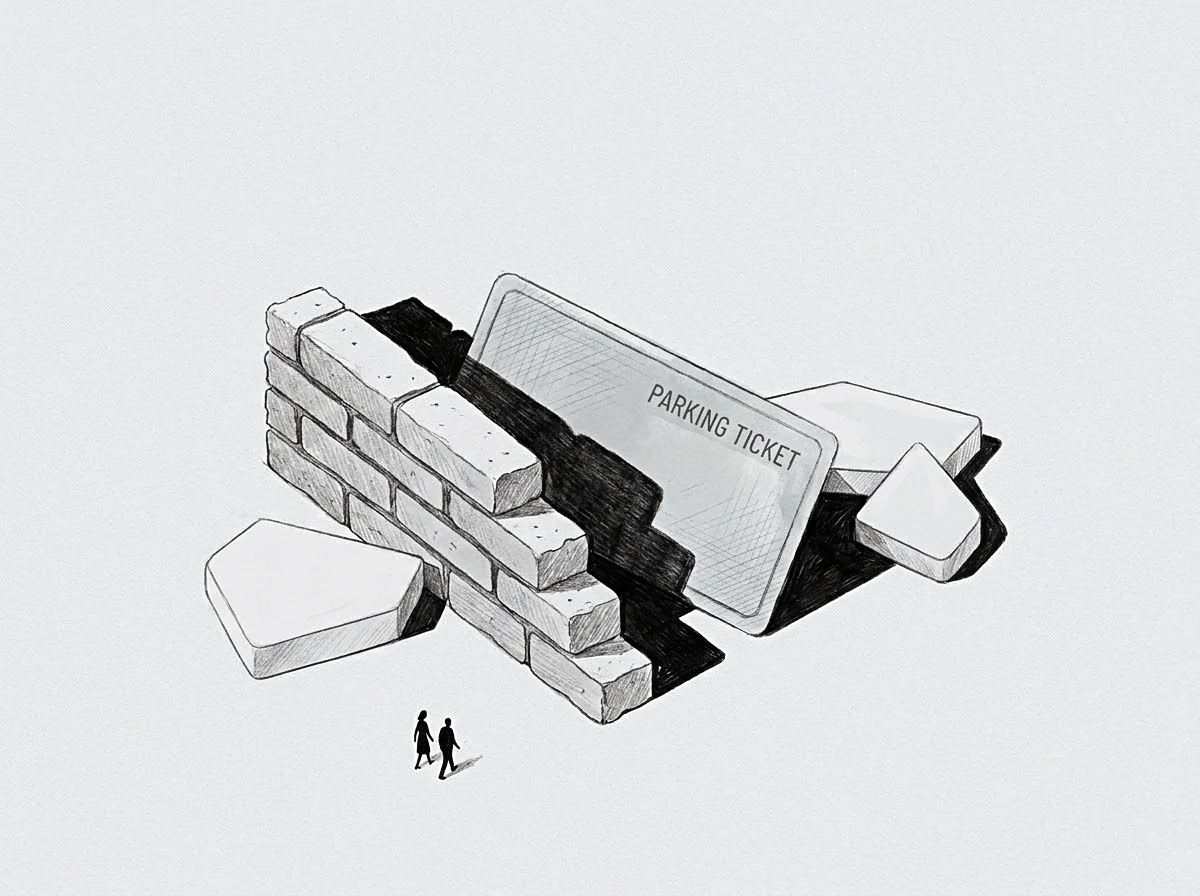
Earnout Measurement Cycles Versus Operational Onboarding
Sellers facing multi-year financial targets prioritize client retention metrics above long-term organizational capacity. The calendar governing the earnout rewards quarterly financial performance. The calendar governing account handover requires early relationship dilution.
If a major account churns during month twelve of a thirty-six-month earnout, the seller suffers direct financial loss. Consequently, sellers maintain direct involvement in client communications, proposal writing, and problem resolution long past the planned integration window. Successor account managers remain relegated to passive administrative roles.
An earnout metric structured solely on top-line retention incentivizes sellers to retain personal client ownership rather than build institutional capacity.
Client defection risks escalate when the handover process gets compressed into the final months of an earnout. The acquiring entity assumes relationship transfer occurred continuously throughout the earnout period. In practice, the client interacts exclusively with the original owner until weeks before the final departure.
When the original owner exits, the client experiences a sudden loss of advocacy. Trust remains with individuals. Compressing relationship transitions into the final weeks of a financial measurement window results in immediate account defection once personal contact ceases.

Motive

Client Hoarding As Equity Protection
When variable purchase price considerations depend on client renewal figures, departing owners perceive account delegation as financial exposure. Retaining direct control over key account communication serves as a risk mitigation strategy for deferred compensation. Sellers frequently cite operational quality risks to justify excluding new account managers from client calls.
This protectionist behavior preserves the seller’s centrality while starving the buyer’s team of relational context.
- Information Asymmetry Retention withholding account preferences keeps the departing owner indispensable during operational reviews.
- Bypassed Account Managers directing client messages directly to personal channels starves successor staff of critical operational context.
- Deferred Introduction Meetings scheduling buyer introductions late in the measurement period limits successor credibility.
- Selective Escalation Control resolving client friction personally prevents operational staff from demonstrating technical capacity.

Friction In Delegated Authority
Operational delegation introduces immediate risks to seller compensation when incoming account managers lack deep context. Take a professional services firm acquired for fifteen million dollars, where three million dollars rests on maintaining ninety percent client retention over two years. The seller manages ten tier-one enterprise accounts generating eighty percent of annual revenue.
The buyer assigns three internal account managers to take over primary communications within sixty days. The seller observes the incoming staff misinterpreting client procurement preferences during an early contract renewal. Fearing a contract loss that directly reduces the three-million-dollar payout, the seller reclaims sole management of the account and excludes the buyer’s staff from subsequent strategic meetings.
The buyer interprets this behavior as breach of integration agreements, while the seller views it as necessary equity preservation.
Account delegation stalls whenever financial payouts reward personal intervention over operational continuity.
When accounts remain tied to individual personalities, clients develop structural dependencies on specific leaders. The seller’s economic self-interest reinforces this dependency throughout the earnout timeline. The incoming account management team lacks the specialized expertise required to handle complex technical escalations without senior executive intervention.

Buffer

Shadow Account Management Systems
Transferring relational capital demands operational scaffolds where successors manage daily communication while original owners retain strategic oversight. Establishing dual-coverage operational protocols allows incoming account managers to observe client preferences directly. The buyer introduces shadow account management during the first quarter post-closing.
Under this model, the buyer’s account manager leads operational delivery, while the seller remains visible strictly for executive sponsorship and strategic planning.
- Assign primary operational contact roles to successor staff within the initial thirty days following transaction closing.
- Position departing owners as executive sponsors who attend quarterly strategic reviews rather than weekly operational syncs.
- Codify account histories, decision-maker profiles, and informal preferences into shared operational repositories.
- Tie deferred purchase payments to completed knowledge transfer documentation rather than isolated revenue figures.

Gradual Relationship Transfer Protocols
Systematic introduction schedules protect client stability while systematically shifting primary contact responsibility. Phase one requires the seller to announce the successor as the lead operational partner during routine check-in calls. Phase two shifts all inbound client requests through the successor, with the seller copied on correspondence.
Phase three moves quarterly business reviews to the successor’s leadership, leaving the seller as an advisor. Tacit account knowledge codifies only when successors lead live operational reviews in the presence of the founder.
Tacit account knowledge codifies only when successors lead live operational reviews in the presence of the founder.
Speed destroys relationship equity. Account transition timelines require structural buffers that accommodate client adjustment speeds. Clients often resist changing primary contact points if the transition feels mandated by an acquisition.
Positioning the handover as an expansion of service capacity reduces client panic and preserves renewal probabilities. Relationship equity transfers through demonstrated operational competence during client escalations rather than formal contract introductions.

Structure

Should Earnout Metrics Include Transition Benchmarks?
Acquiring firms reduce client defection by splitting earnout calculations between pure revenue retention and verified operational milestones. Traditional acquisition legal frameworks anchor variable purchase consideration to revenue or earnings metrics. This pure financial focus incentivizes relationship hoarding.
Modifying legal structures to incorporate operational account handover gates aligns financial payouts with risk reduction goals.
A balanced earnout agreement allocates seventy percent of variable consideration to financial retention targets and thirty percent to operational transition verification. Operational milestones include completing structured account handover documentation, conducting joint client transition reviews, and transferring primary account management authority within verified timelines. If a seller maintains sole personal ownership of a client relationship beyond the agreed transition period, the variable payout scales downward regardless of revenue figures.

Contractual Protections Against Account Retention Conflict
Definite agreement terms balance seller equity protections against long-term operational health. Contracts must incorporate explicit account management covenants that define authority boundaries during the earnout period. These covenants specify expected response protocols for client inquiries, mandatory inclusion of successor staff in strategic communication, and formal schedules for relationship transfer reviews.
Clawback provisions and escrow holds provide secondary financial protection against sudden post-exit account defection. If a key enterprise account defecting within one hundred eighty days of the seller’s final departure stems from unexecuted handover covenants, escrow funds offset the valuation loss. A handover milestone covenant converts twenty percent of deferred payout into explicit operational transition sign-offs, forcing early co-management of enterprise accounts.

Residue

Measuring Account Stability Post Departure
What remains after the original owner leaves reveals whether account relationships belong to the firm or to an individual. Post-exit client retention tracks whether institutional processes replaced personal relationships. In successful transitions, account health metrics remain stable across contract renewal cycles following the seller’s formal exit.
Accounts that experience immediate post-exit churn reflect failed operational codification during the earnout timeline.
Tacit knowledge transfer leaves a measurable residue in account documentation quality and service continuity. When account histories, informal decision-maker networks, and historical risk factors reside entirely within the departing owner’s memory, successor teams struggle to maintain service velocity. The buyer must audit operational repositories six months prior to earnout completion to identify residual knowledge gaps while the seller remains contractually obligated to assist.

Long Term Institutionalization Factors
Sustained account retention relies on embedded workflows, shared documentation, and team-based service delivery. Converting personal client loyalty into institutional partnership requires incoming teams to demonstrate continuous value independent of the original creator. When the operational infrastructure successfully absorbs client communication, service delivery, and strategic account planning, client defection risks normalize to standard industry baseline levels.