Meaning
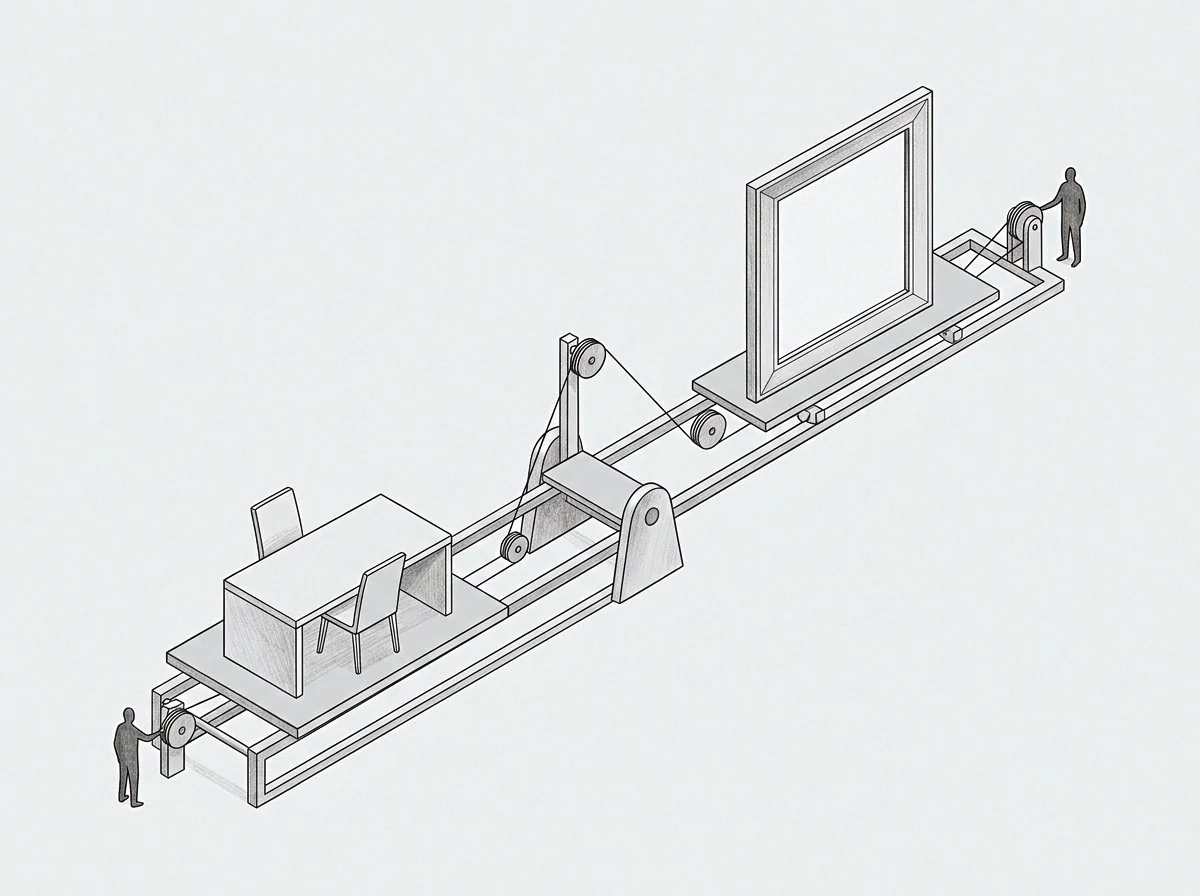
Mental taxes incurred when shifting attention between unrelated tasks reduce the total productivity of an individual. High levels of cognitive switching overhead occur when a person occupies multiple seats that require different types of thinking, such as moving from technical coding to financial budgeting. This concept measures the time lost to refocusing and the mental fatigue that follows.
It applies to any role with diverse responsibilities but is most intense for a founder who has not yet delegated specialized functions.
Attention Depletion
Constant interruptions force the brain to re-establish the context of a project multiple times per day. Because cognitive switching overhead consumes mental energy, the individual finds it harder to perform deep, analytical work as the day progresses. The result is a decrease in the quality of complex decisions.
Recovery Time
Minutes are lost every time a workflow is broken by an external demand. Research indicates that the brain requires a significant period to return to a state of flow after a distraction. These small increments of lost time accumulate into hours of wasted capacity each week.
Efficiency Loss
Organizations with poorly defined roles suffer from a systemic drop in output. When cognitive switching overhead is ignored, the person in the seat feels a sense of constant activity without a corresponding sense of progress. Reducing this cost requires the grouping of similar tasks and the protection of long blocks of focused time.