Meaning
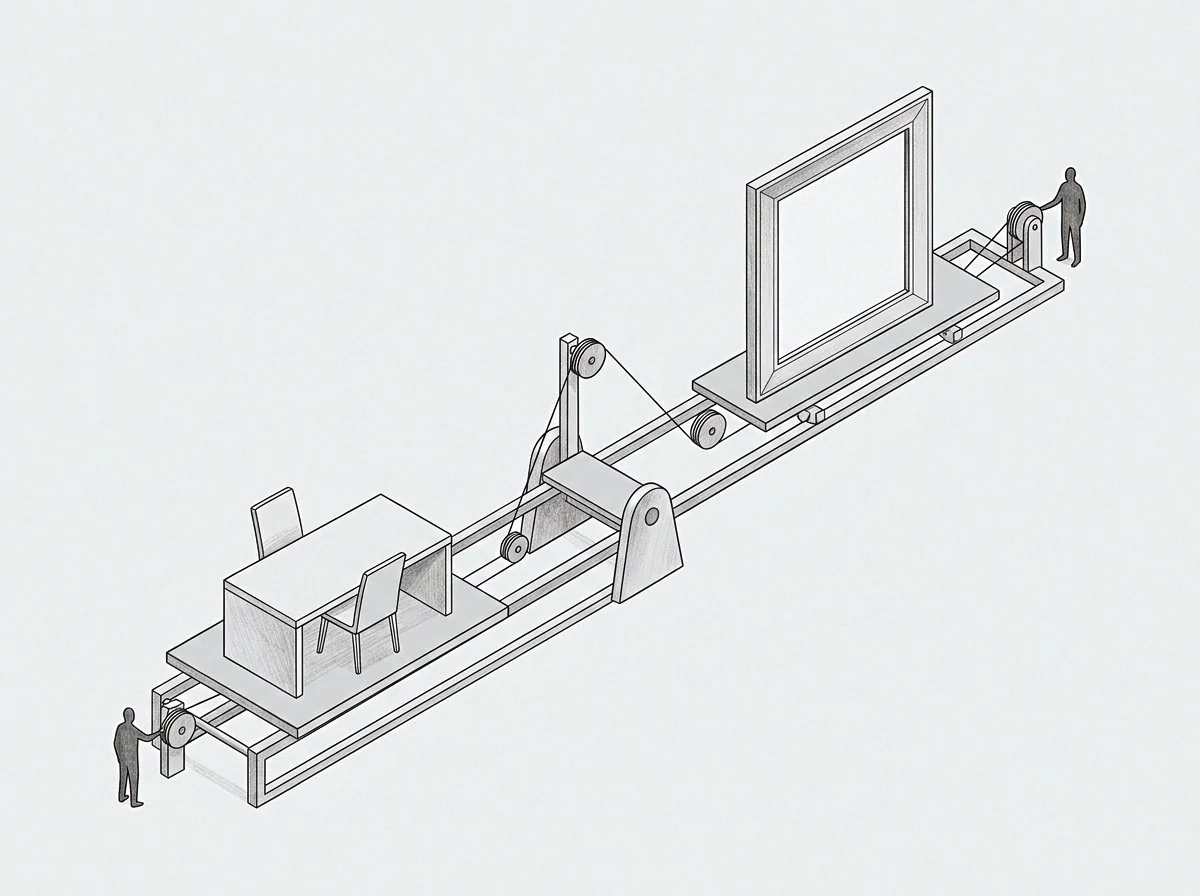
Defined seats within a corporate hierarchy provide the framework for professional accountability and organized growth. These structural positions exist independently of the people who fill them, with specific duties and authorities attached to the role itself. This concept governs the layout of the company and the paths for promotion or transition.
It stops applying in informal groups where roles are fluid and undefined by any official document.
Authority Hierarchy
Establishing clear lines of reporting prevents the confusion of who can make specific decisions. Every structural position has a defined place in the chain of command. This ensures that information flows efficiently from the top to the bottom of the organization.
Duty Clarity
Job descriptions for these seats specify the exact tasks and outcomes expected from the occupant. When structural positions are well-defined, employees understand their boundaries and their goals. This reduces the friction caused by overlapping responsibilities or forgotten tasks.
Resource Anchor
Budgeting and planning are tied to these roles rather than to specific individuals. This allows the company to calculate the cost of its labor force accurately. By treating structural positions as the building blocks of the firm, the owner can plan for a future where they no longer need to be present in every department.
The stability of the enterprise depends on the strength of these formal arrangements.