Meaning
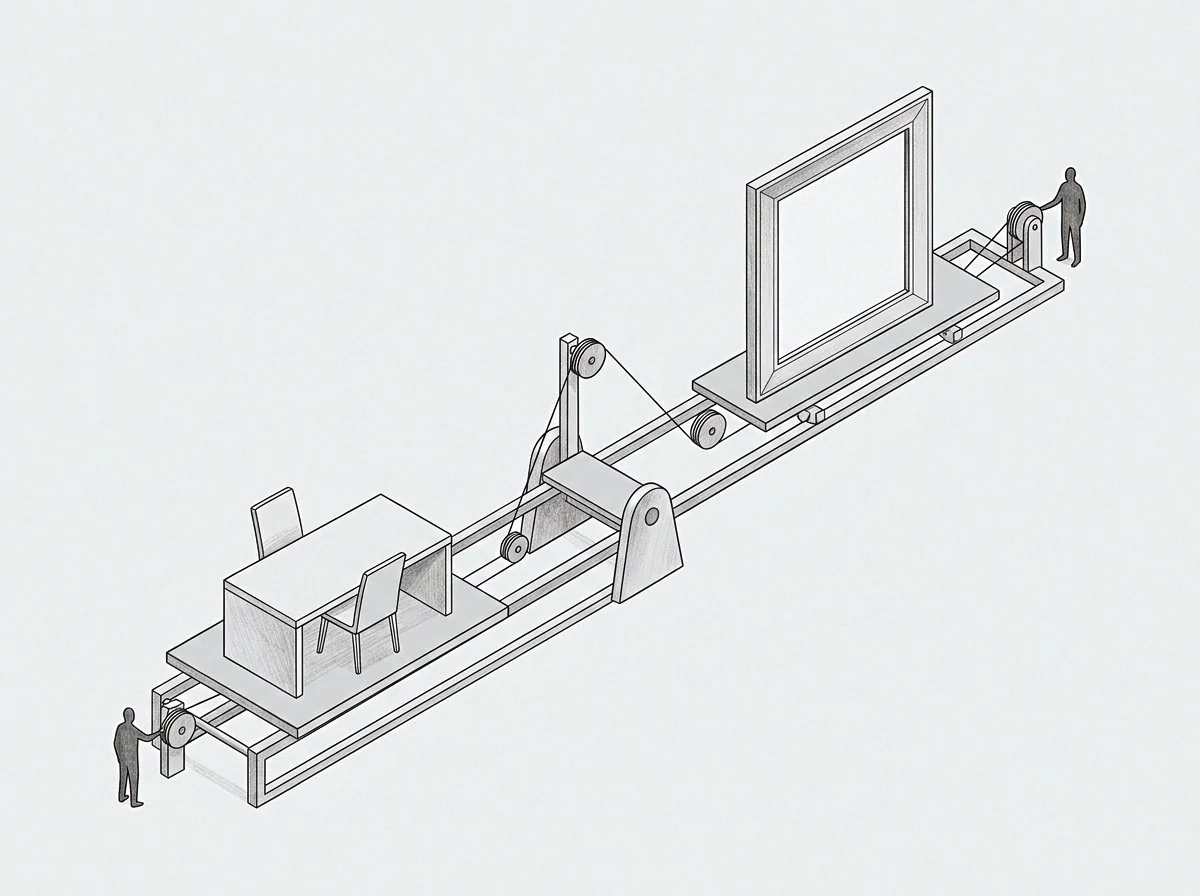
Structural separations between the performance of an individual and their financial rewards allow for more stable long-term planning. In many mature organizations, compensation decoupling ensures that a founder’s income is not tied directly to every minor fluctuation in company profit. This mechanism governs the transition from a sweat-equity model to a professional salary and dividend model.
It stops applying if the person returns to a commission-based or purely performance-indexed role.
Incentives Alignment
Fixed salaries allow leaders to make decisions that might hurt short-term profits but improve long-term value. Without compensation decoupling, the person in the owner seat might be tempted to cut essential costs just to maintain their personal income. This separation protects the firm from reactive financial management.
Market Calibration
Tying pay to industry standards rather than internal cash flow makes the organization more professional. It ensures that the seat can eventually be filled by a non-founder executive. The cost to the company is the need for a more rigid budgeting process to support these fixed expenses.
Performance Insulation
Leaders need the mental capacity to think clearly during a crisis. Compensation decoupling prevents personal financial stress from clouding the judgment of the management team. When a person knows their basic needs are met, they can focus entirely on the recovery and growth of the business.
This stability is a prerequisite for professionalized enterprise governance.