Meaning
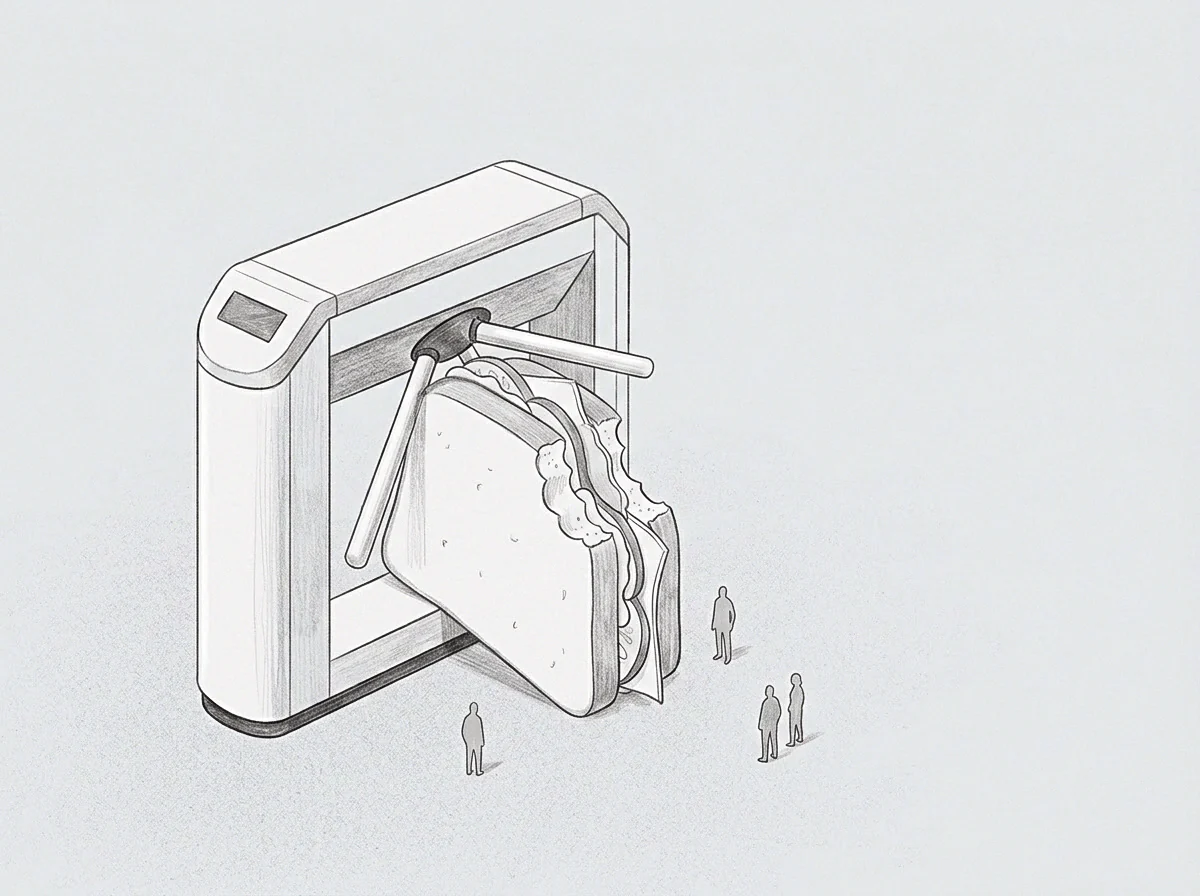
Breach of duty occurs when one party to a formal agreement fails to execute a specific obligation by the deadline or to the standard established in the document. This contractual non-performance triggers defined remedies that allow the other party to withhold payment or terminate the arrangement entirely. Such a failure represents a break in the chain of delivery that prevents the recipient from fulfilling downstream requirements.
Operational Exposure
The founder who holds the position of manager faces immediate capacity loss when a vendor or partner misses a delivery target. Constant oversight is required to monitor these milestones because time buffers rarely compensate for the full disruption caused by a late shipment or a stalled service installation. A manager must calculate the hourly cost of the delay against the internal energy consumed while reassigning personnel to solve the gap.
Financial Impact
Monetary loss accumulates through the immediate suspension of progress and the additional hours spent by staff to rectify the deficit. When a primary provider fails to deliver, the founder might need to procure expensive substitutes on short notice to maintain output levels. This sudden shift in procurement strategy often inflates the budget beyond the original estimation because urgency carries a premium.
Remedial Mechanism
Formal notice sent to the defaulting party acts as the necessary first step to protect legal rights before seeking damages or exiting the arrangement. Written documentation creates a trail that distinguishes between a temporary delay and a fundamental failure to produce results. The exercise of these rights demands a precise review of the liability clauses contained within the governing document.