Meaning
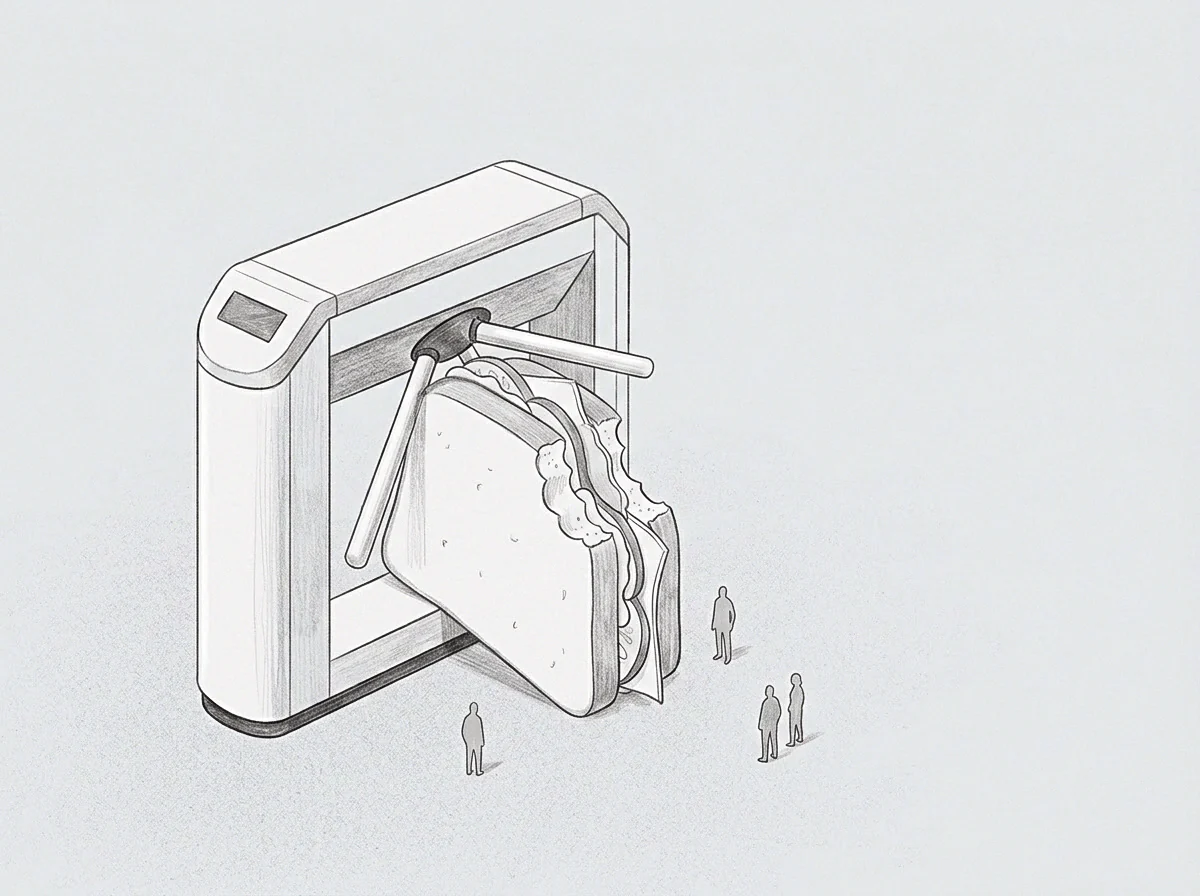
A contractual provision allows an individual in a director or officer seat to reduce their personal liability exposure by applying funds from a separate source, such as insurance proceeds or corporate assets, to satisfy legal costs before personal capital is accessed. This indemnification offset functions as a protective filter for the occupant of the role. The mechanism ensures that the financial drain on the person is deferred or eliminated until primary coverage is exhausted.
Financial Barrier
A founder transitioning into a board role utilizes this protection to prevent personal wealth from being consumed by legal claims arising from operational decisions. This structural separation maintains the autonomy of the person by insulating their private capacity from the activities of the entity. The requirement to maintain sufficient coverage remains the responsibility of the entity, shifting the burden of legal overhead from the individual to the organization.
Coverage Limitation
The scope of this protection remains restricted by the total available pool of liquid assets designated for legal defense. When legal expenses surpass the specific monetary cap of the insurance policy or the corporate indemnification fund, the protection ceases to apply to the person. Accessing these funds requires adherence to strict notice procedures and precise documentation of the legal claim.
Operational Penalty
The administrative demand of managing such a configuration consumes significant attention and hours from the director. Coordinating with insurers and legal counsel creates a high density of coordination tasks that distract from governance responsibilities. The maintenance of this arrangement requires constant oversight to ensure that the terms remain current and that the underlying funding sources stay active during the entire duration of the appointment.