Meaning
Ownership interest that has been granted but not yet earned remains subject to forfeiture or repurchase by the issuing company. Retaining unvested equity is a standard method for ensuring long-term founder alignment with the goals of the business. These shares are part of the total grant but only become the permanent property of the holder as time passes.
Forfeiture Mechanism
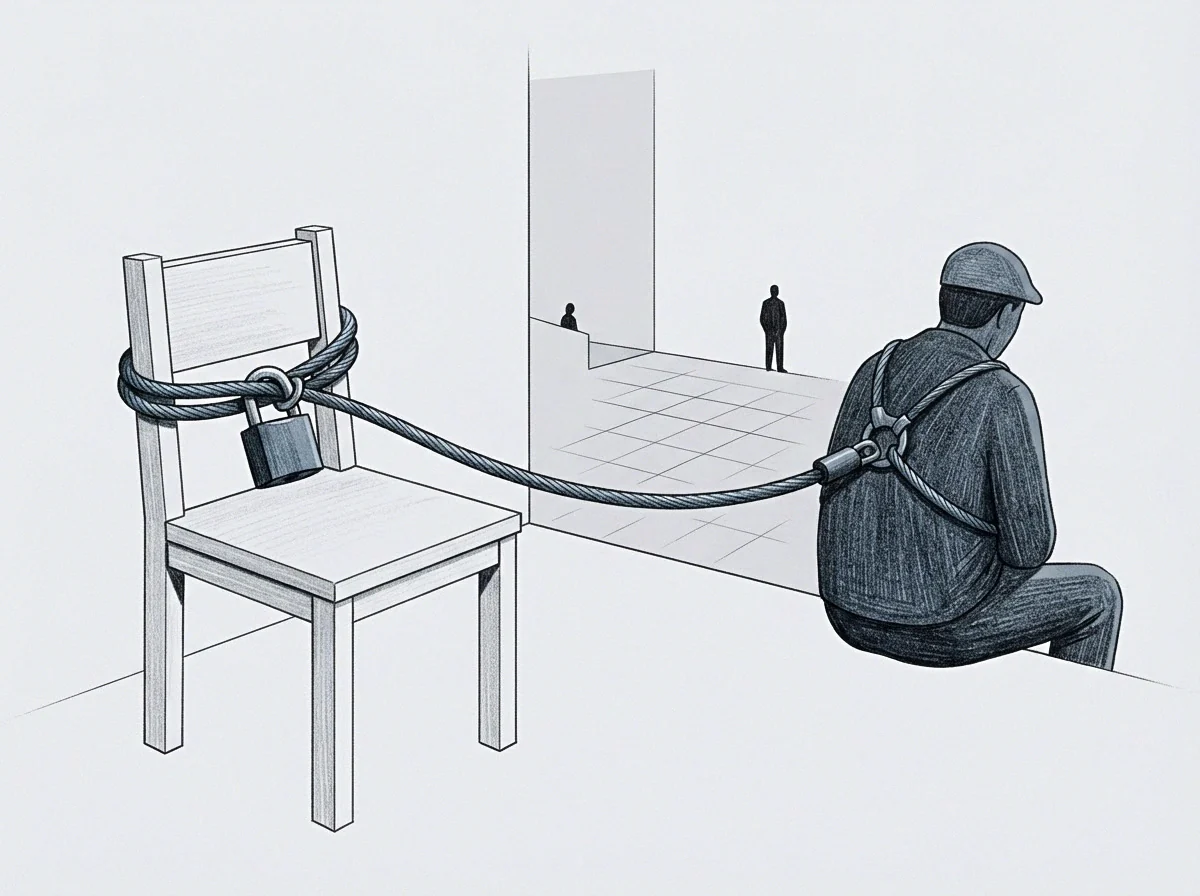
Departure from the company before the end of the service period results in the loss of all shares that have not yet matured. Unvested equity acts as a financial bond that keeps the founder in their seat through difficult periods. The company typically has the right to buy these shares back at the original price.
Alignment Period
Tenure is the most common metric used to determine when the rights to the shares are fully transferred. A standard schedule for unvested equity lasts for forty-eight months, with a portion of the grant maturing every month. This long timeframe ensures that the people who build the company’s value are the ones who benefit from its eventual sale.
Capacity Toll
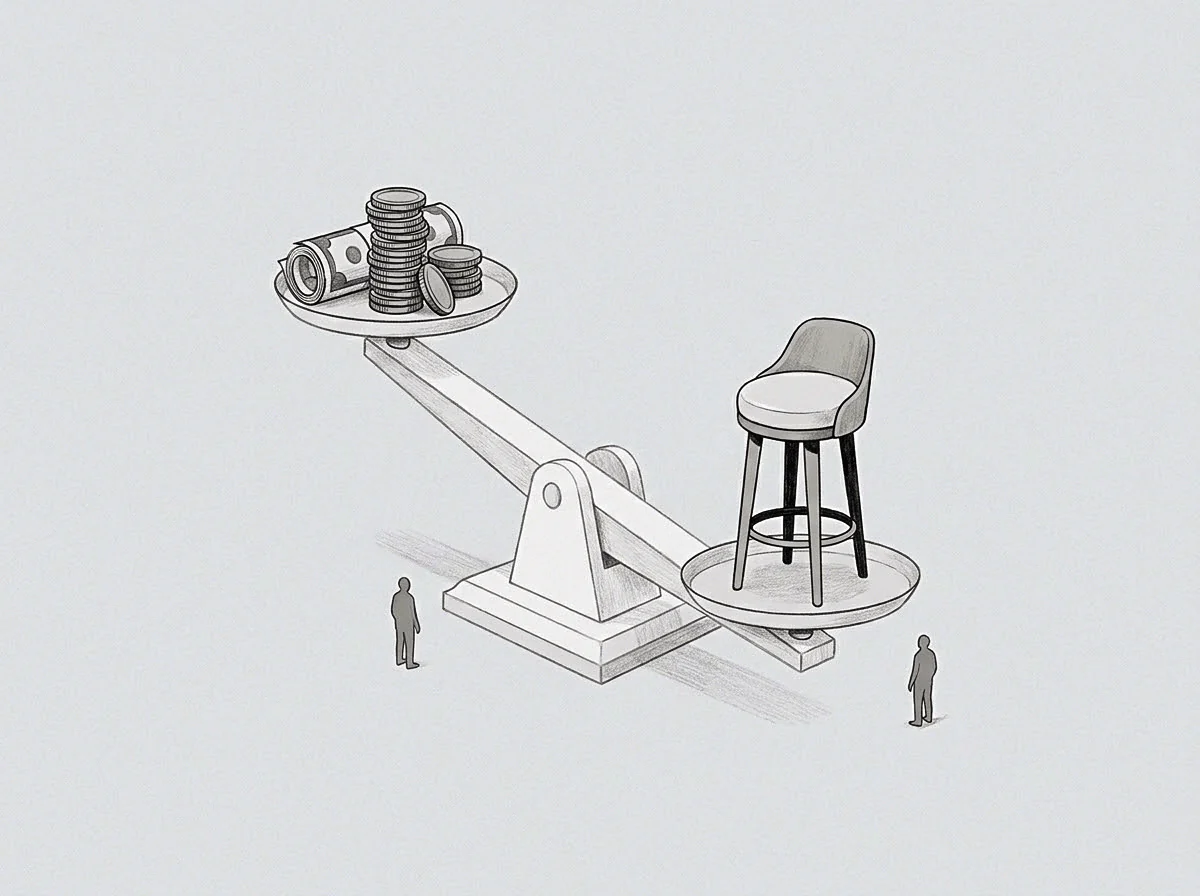
Stress associated with the potential loss of a large part of one’s net worth is a constant burden on the founder. The person in the seat pays for their unvested equity in the hours of overtime and the mental energy required to stay focused for several years. This system creates a high cost for leaving, even when the person is exhausted or the business is failing.
Every month of service is a step toward securing the financial rewards of the initial risk.