Meaning
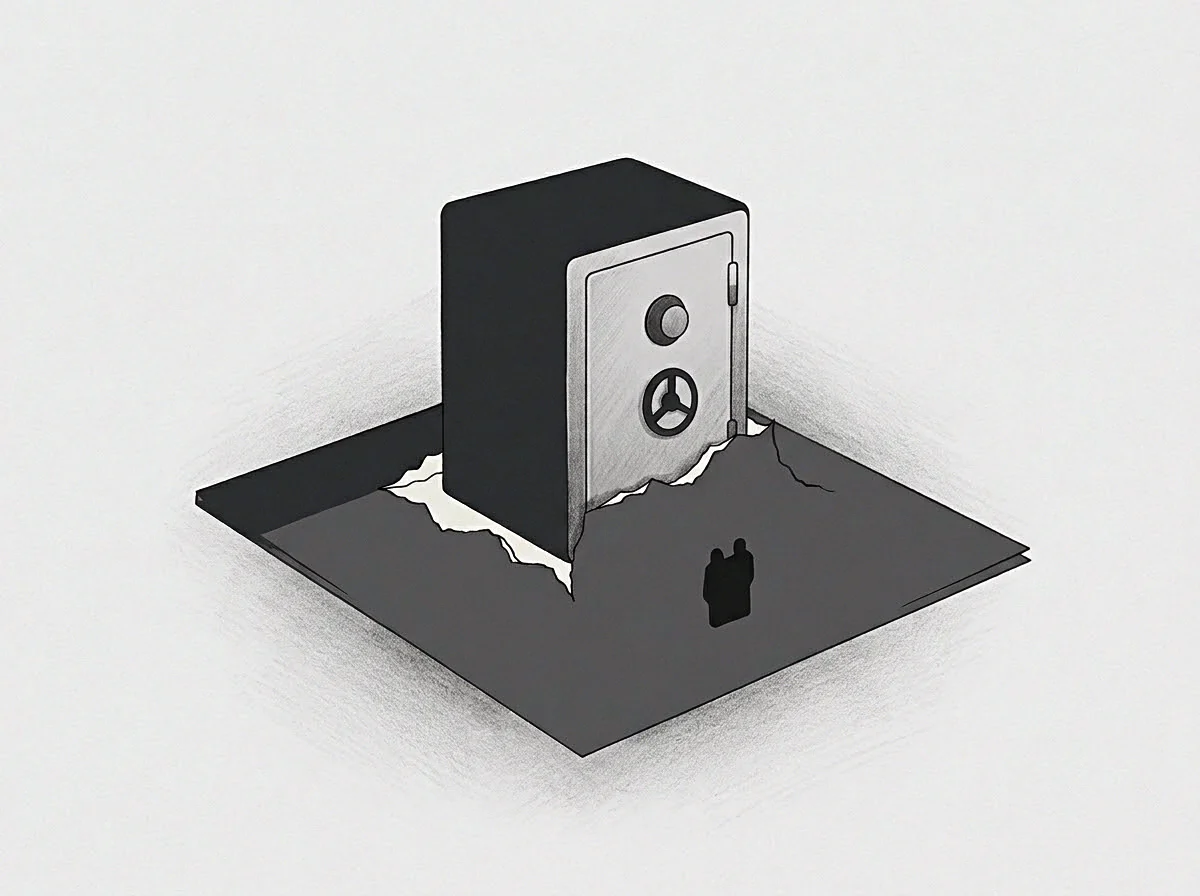
A technical separation task isolates primary software components from a legacy monolith to facilitate independent scaling or divestiture. This core architecture carve-out redefines the boundary between shared dependencies and high-velocity product features. It changes the ownership model for the codebase by establishing clear ownership of specific modules.
Engineering teams focus exclusively on extracting stateful services and thinning the base layer to reduce operational overhead. Independent deployment cycles follow once the interface between the separated unit and the host system becomes strictly typed.
Resource Allocation
Personnel requirements shift significantly during this transition as senior developers dedicate thousands of hours to refactoring legacy logic. A single founder or technical lead loses the ability to supervise parallel feature development because attention narrows to the integrity of the split. Capacity for innovation drops while the work consumes the technical roadmap to ensure service continuity.
Budgetary pressure increases as infrastructure costs grow to support both the original system and the new isolated instance during the migration.
Operational Dependency
Maintenance of the link between the host and the extracted module dictates the speed of the transition. Stable interfaces allow teams to iterate on the extracted component without causing system wide failures. Fragile connectors create high risk when updates occur in the main repository.
Decoupling strategies require automated validation to verify that the extracted module maintains state consistency with the database.
Architectural Debt
Reduction of complexity emerges as the primary gain from the exercise when the team successfully isolates the most volatile portions of the application. High technical debt in the original monolith forces the extraction to happen in iterative stages rather than one discrete migration. Successful outcomes result in a portable asset that carries lower maintenance burdens for future operators.