Meaning
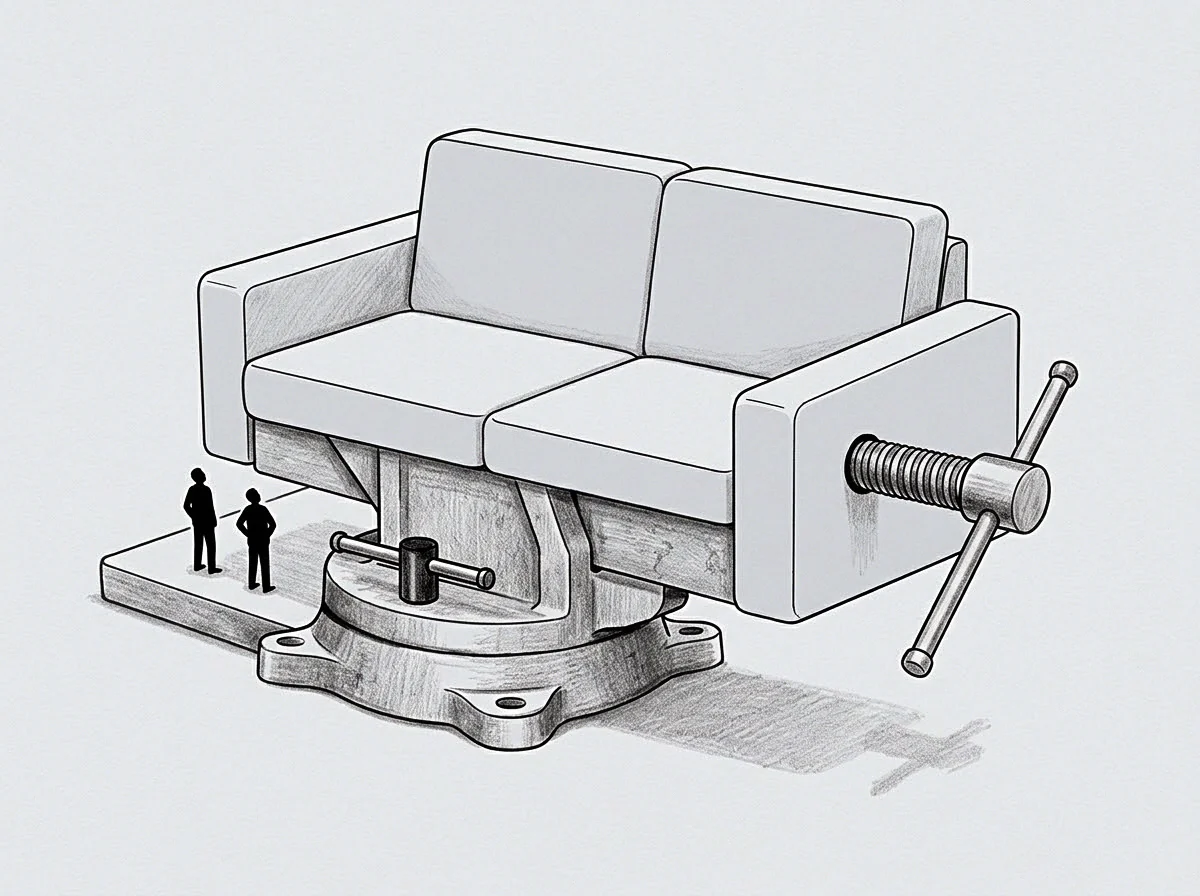
Contractual breathing room constitutes the formal window of time during which a lender suspends the enforcement of specific financial requirements. These covenant waiver periods allow a firm to operate temporarily outside its established debt limitations without triggering a technical default. Lenders grant this flexibility to accommodate short term operational volatility or unexpected capital shortfalls that prevent adherence to original loan obligations.
Operational Consequence
The executive in charge of treasury management faces a heightened administrative burden during the defined interval. Managing covenant waiver periods requires constant communication with credit officers to prove that the business maintains sufficient liquidity despite its temporary non-compliance. Such windows consume significant hours as leadership produces granular financial reports to justify the continued suspension of restrictive ratios.
Compliance Cost
Maintaining these temporary reprieves forces a shift in how a founder allocates internal capacity away from growth initiatives toward defensive financial monitoring. The board frequently demands more frequent audit cycles and tighter controls on cash outflows to mitigate the increased risk profile the lender perceives during the duration of the waiver. Additional legal fees and higher interest margins often accompany the negotiation of these extensions, effectively raising the price of the capital currently deployed.
Strategic Constraint
Financial autonomy shrinks whenever a company relies on these periodic lapses to avoid immediate debt acceleration. Relying on the periodic renewal of waiver status limits the ability of the firm to pursue aggressive acquisitions or capital investments that a lender might view as inconsistent with a strained balance sheet. Prolonged use of these periods signals a fundamental misalignment between the debt structure and the actual cash flow generation of the enterprise.