Meaning
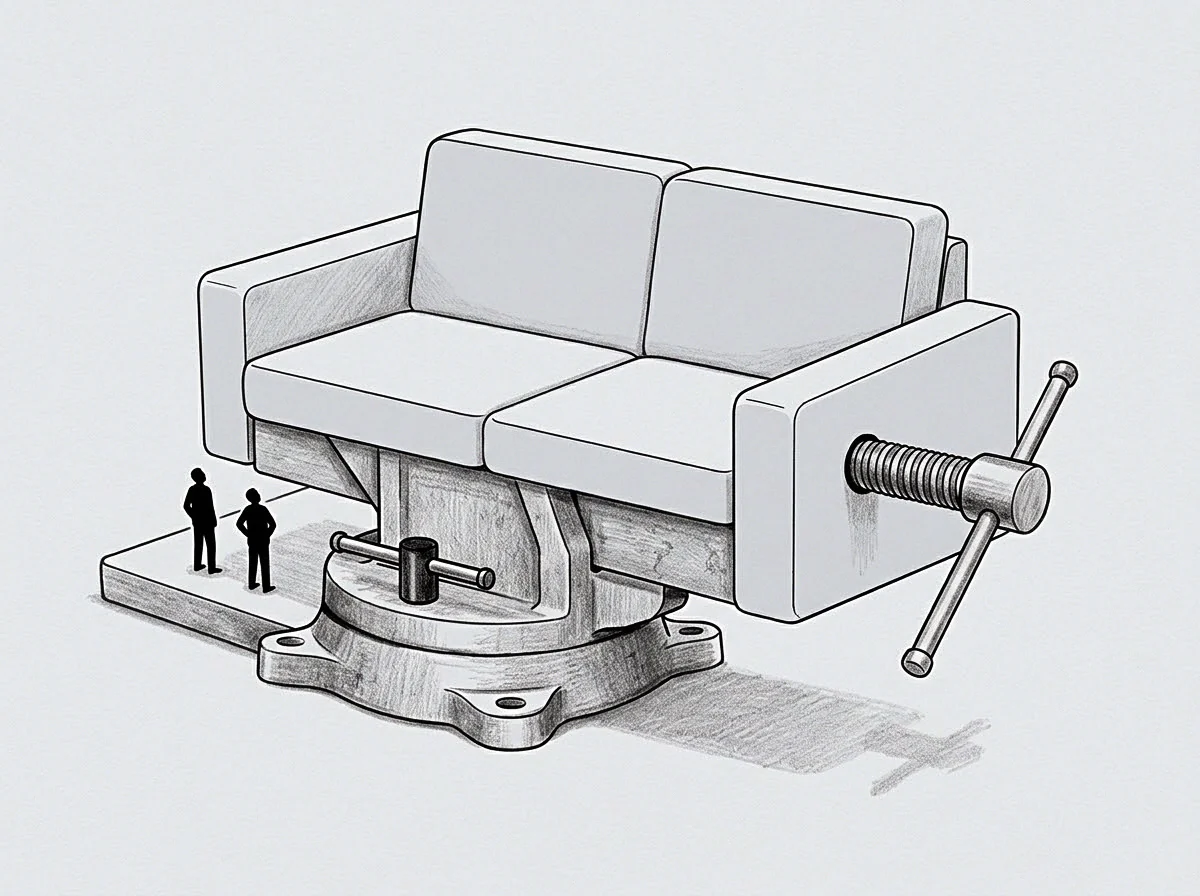
Provisions in a compensation or shareholder agreement allow a company to reclaim previously issued shares or profits under specific conditions. Contractual equity clawbacks function as a recovery mechanism when performance targets are missed or when a founder exits under negative circumstances. These clauses ensure that the value held by the individual remains tied to the long-term health of the firm.
The financial cost involves the literal surrender of ownership units, reducing the founder’s net worth and future voting power.
Trigger Event
Misconduct or financial restatements usually activate the recovery process. When equity clawbacks are exercised, the person must return the asset or the cash equivalent to the corporate treasury. This reversal often occurs years after the initial grant, creating a notable tax complication for the recipient.
Recovery actions are often pursued by a board of directors to satisfy the demands of institutional investors.
Retention Pressure
Vesting schedules and performance hurdles keep the founder aligned with investor expectations. Unlike a simple forfeiture of unvested shares, equity clawbacks target assets that the person already considers settled wealth. The loss of these units represents a direct depletion of the reward for years of work.
Asset Recovery
Boards use these tools to protect the entity from the consequences of a leader’s failure. Legal fees to contest the action add to the total cost in money and attention.