Meaning
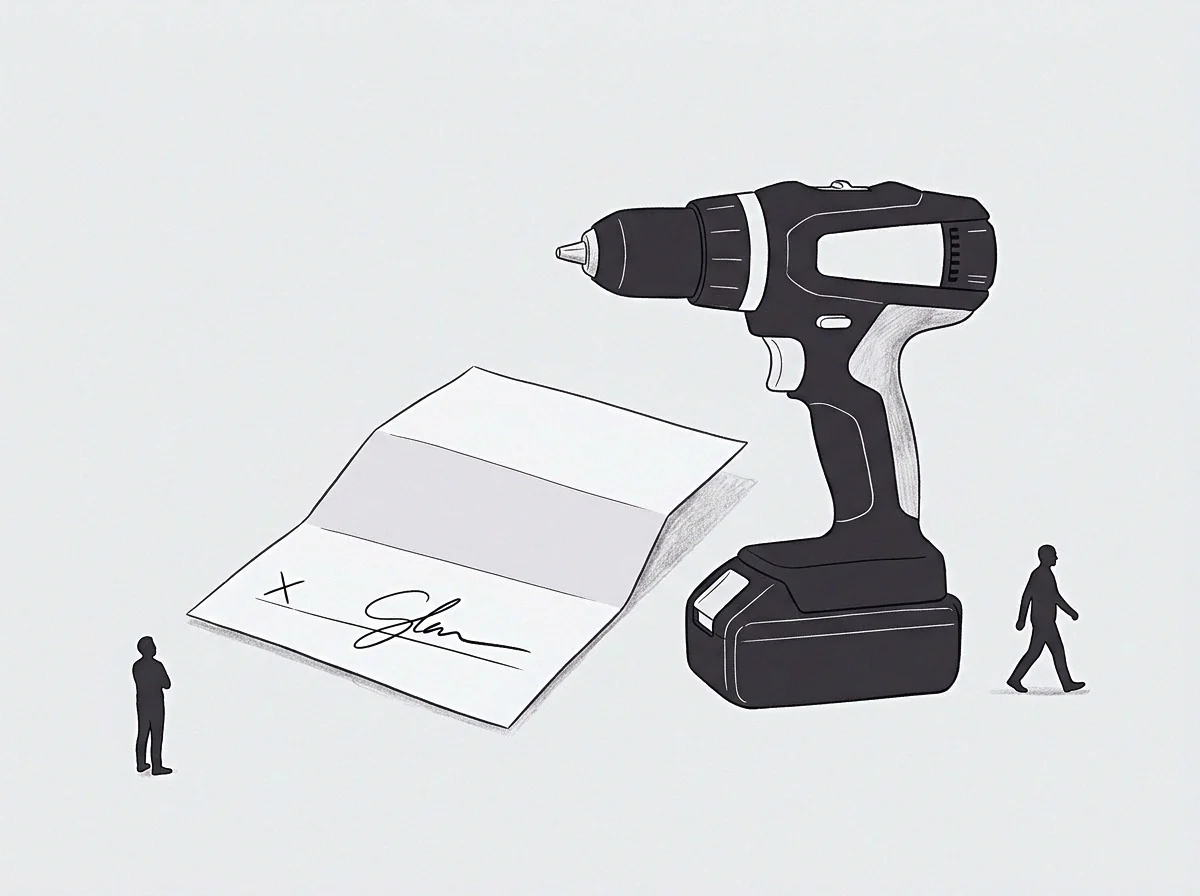
Practical power a person wields over an organization based on history and reputation rather than formal title or legal right. While a new manager may hold the de jure power, the de facto authority often remains with the founder as long as the employees continue to look to them for approval. This distinction fades only when the successor establishes a new set of precedents that the staff follows instinctively.
Cultural Dominance
Dominance of the founding personality creates a shadow hierarchy that operates alongside the official one. Staff members may follow the old rules because they believe the founder still wants them to. This behavior persists even when the founder is not present.
It forces the new leader to work twice as hard to establish their own presence.
Power Shift
Shift in the center of gravity requires a period of visible and consistent decision-making by the successor. The successor must handle a crisis or a major win to claim the authority for themselves. Until this happens, the founder’s influence remains the primary driver of firm behavior.
Execution Cost
Cost of this split in power is measured in the hours spent clarifying instructions. Conflicting signals from two different sources of authority lead to wasted energy. The firm slows down as it tries to serve two masters.