Meaning
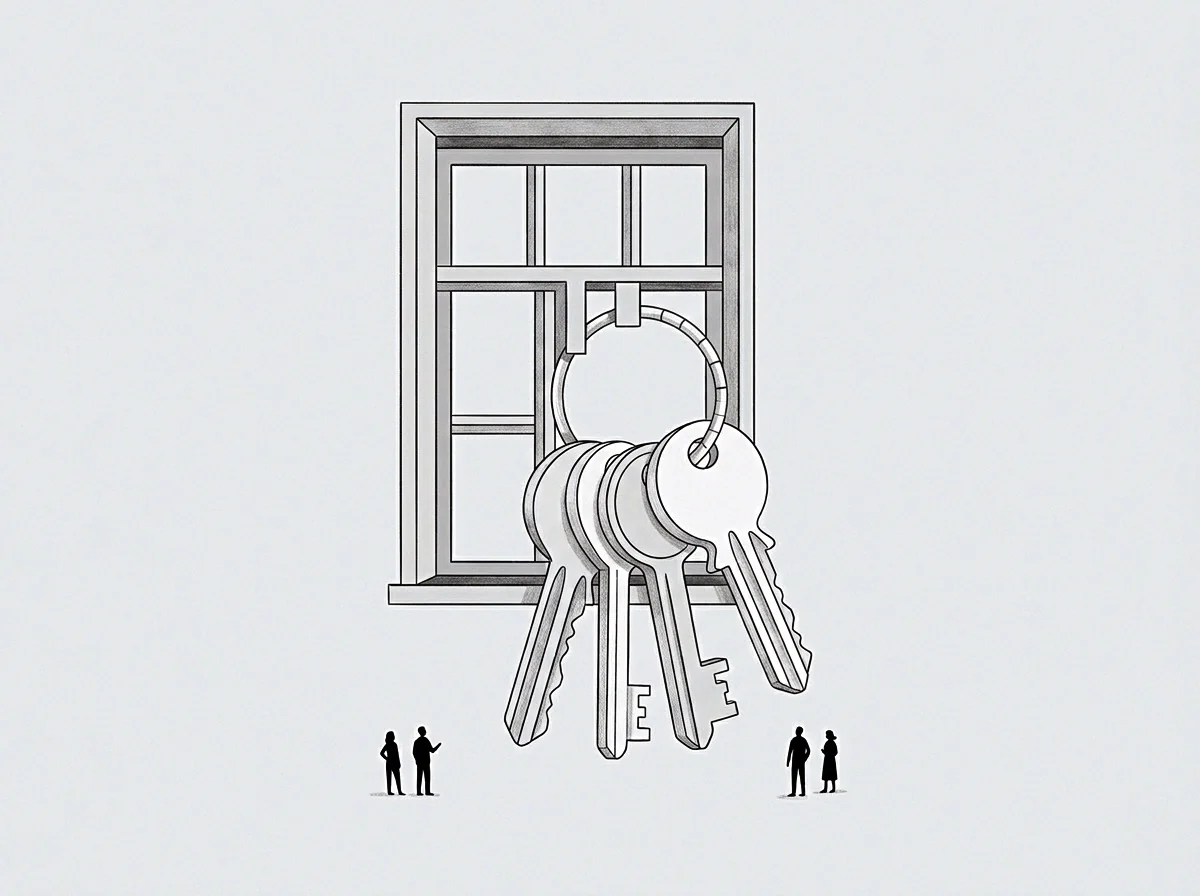
Stagnation of corporate governance arises when equal voting power between two directors or shareholder factions prevents the adoption of any motion. Deadlocks occur in these scenarios when the governing documents lack a tie-breaking mechanism, effectively halting all formal decision-making authority. Operations remain suspended until a restructuring of voting rights or the introduction of a third neutral party provides the necessary majority for action.
Governance Cost
Institutional gridlock drains founder capacity by shifting time from strategic expansion to redundant negotiation. Management hours disappear into repetitive discussions that result in no actionable resolution for the entity. Prolonged inaction diminishes the agility required to maintain market standing, as stalled approvals leave initiatives in a state of suspended animation.
Resolution Path
Dispersal of the stalemate involves specific contractual instruments triggered once a tie occurs. Clauses such as buy-sell agreements or liquidation mandates force a separation of the parties or the transfer of control to resolve the impasse. These protocols act as a final safety valve for the organization by ensuring that every vote eventually produces an outcome.
Equity Impact
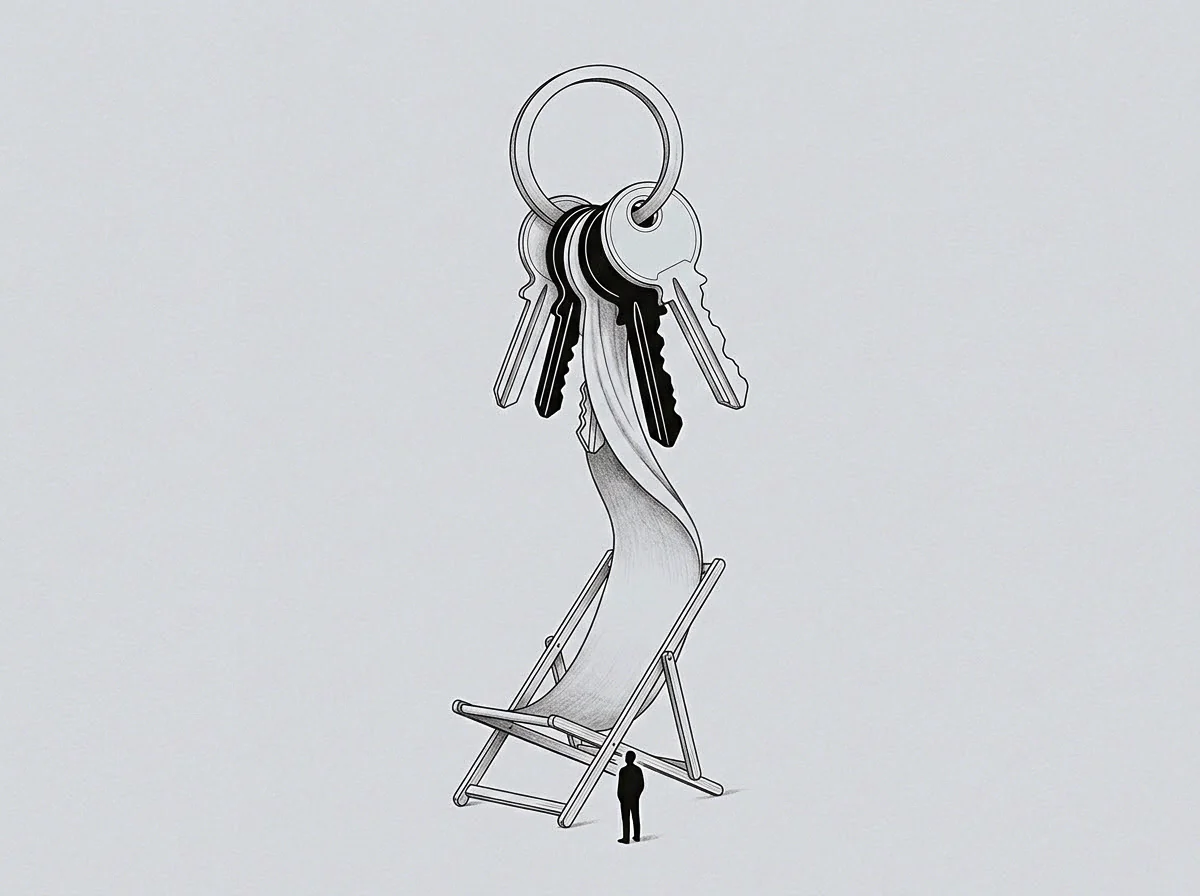
Shareholder paralysis dictates the valuation of equity during periods of instability. Investors devalue ownership stakes that cannot exercise influence or protect capital through active oversight. Markets view entities with unresolved power imbalances as high risk because the inability to pass resolutions suggests an underlying failure of legal design.