
Separating Fiduciary Equity Oversight From Daily Executive Operational Authority Seats
Corporate authority divides into fiduciary equity oversight preserving enterprise solvency and delegated executive management executing daily operational targets.

Room
Corporate authority divides into two distinct legal realities the moment outside capital or multiple owners enter a business. The operating floor requires immediate coordination, fast technical execution, and constant adjustments to weekly cash limits. Above that level sits the fiduciary tier, an oversight body bound by law to protect capital, monitor solvency, and safeguard the interests of every share class.
When the same individual fills both seats without clear boundaries, structural ambiguity follows. Fiduciary obligations of care and loyalty end up mixed with routine personnel friction, supplier negotiations, and software bugs.
Every enterprise relies on three distinct roles, whether recorded on the cap table or blurred by routine. The technician builds the deliverable, writes code, or closes sales accounts. The manager schedules capacity, tracks team output, and resolves project conflicts.
The owner oversees capital allocation, corporate continuity, executive hiring, and long-term equity value. Early in a company’s life, one person often handles all three, answering customer support tickets at dawn and reviewing solvency before midnight.
A fiduciary duty binds the director to the firm while an employment agreement binds the executive to specific tasks.
Blurring oversight and execution quickly slows operational pace. When an executive runs a board meeting like a general staff update, long-term asset planning falls away. If an equity owner uses board authority to override daily shift schedules or software tooling, department heads lose both authority and accountability.
Keeping these functions effective requires a clear line between managerial execution and board governance.
- Technician seat carries production deliverables, handles client work tickets directly, and expends daily cognitive labor on immediate technical craftsmanship.
- Executive management seat directs departmental coordination, establishes quarterly milestone targets, and manages employment agreements across operational teams.
- Fiduciary oversight seat monitors corporate solvency, approves equity issuances, sets executive compensation, and defends shareholder value across all share classes.
Separating these powers starts with identifying which seat a person occupies during any commercial conversation. When an operator tries to cover balance sheet shortfalls with unpaid personal overtime, the business drains its staff while capital simply absorbs the delay.

Distinguishing Governance From Operational Authority
Corporate statutes draw an unambiguous line between directors and corporate officers. Directors owe their primary duty to the corporate entity itself, serving as fiduciaries for common and preferred shareholders. Officers act as appointed agents of the board, charged with hitting defined business targets within assigned budgets.
An officer exercises delegated authority that the governing board can revoke at will. A director exercises oversight, accountable to the shareholder base through statutory voting procedures.
Operational executives manage daily expenses, recruit staff, and set commercial pricing. Directors determine whether those operational choices maintain liquidity and satisfy statutory requirements. Leaving those seats combined forces an executive to assess their own work, creating severe blind spots.
The person signing a vendor contract cannot impartially evaluate the governance exposure created by that agreement.
Clear division gives staff and outside partners predictable working conditions. Employees need a direct reporting line free from unexpected board interventions. When a shareholder issues direct instructions to sales or engineering leads, the executive officer’s authority erodes across the floor.
The boundary between governance and operational execution works only as long as both sides stay within their defined mandates.

Office
Statutory appointment establishes the legal rights and obligations of corporate offices. The corporate secretary, treasurer, and chief executive occupy formal positions created by company bylaws, each tied to operational duties. These officers hold authority to sign on bank accounts, execute commercial agreements, and direct staff.
Individual directors, however, hold no operational authority outside a formal board meeting. A single director cannot commit the business to a commercial property lease without formal authorization from the board.
Treating share ownership as an automatic right to manage operations creates constant internal friction. A shareholder with forty percent of common stock frequently assumes an entitlement to direct marketing campaigns or inspect code commits. Corporate law places operating authority entirely with the appointed executive team.
Shareholders exercise influence by voting on board slates, major transactions, or substantial asset sales, while daily business management remains the responsibility of the executive office.
A shareholder vote alters board composition while an executive directive commands staff activity.
Switching between officer and director duties during the same afternoon creates heavy friction. Cognitive transitions between tactical execution and strategic oversight consistently reduce decision quality in both areas. The operating officer concentrates on cash conservation, customer retention, and payroll.
The director must weigh structural market shifts, future dilution, and succession plans. Running both perspectives through one individual without procedural structure clouds operational judgment.
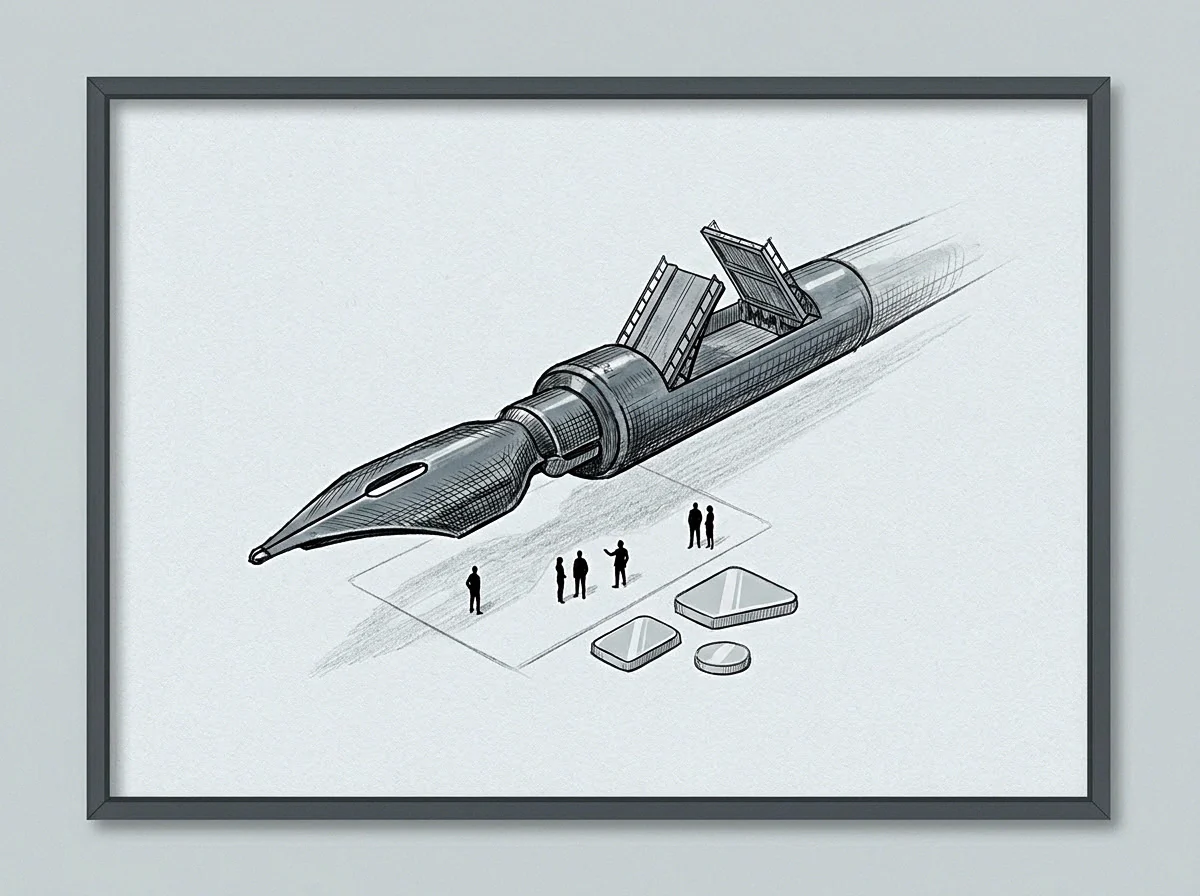
Contractual Allocation of Executive Powers
Corporate governance documents define executive independence through formal reservation of powers clauses. Bylaws, investor agreements, and executive contracts clarify which commitments management can make alone and which require board consent. Operating expenses under a designated threshold generally fall under executive discretion.
Real estate sales, secondary stock sales, senior leadership appointments, and credit facilities above agreed limits require board approval.
Specifying these spending thresholds protects both the management team and the firm. When limits are left informal, ordinary operational decisions spark disputes between executives and investors. Explicit governance terms prevent retroactive challenges to management choices while keeping the board informed on balance sheet exposures.
Operating agreements that establish regular reporting schedules, spending caps, and information rights turn loose assumptions into enforceable operating rules.

Line
Maintaining a functional divide between board oversight and management execution requires plain operational standards. The board evaluates, governs, and advises; the management team organizes, builds, and delivers within parameters set by directors. When a director crosses over to inspect individual pull requests or question routine travel expenses, execution slows and the executive shifts attention to managing upward instead of running the business.
Take a software firm founded by two partners holding equal equity. One partner serves as chief executive, overseeing daily operations, hiring, and account renewals. The other leaves daily operations to pursue outside investment interests, keeping a permanent board seat and fifty percent equity ownership.
Within nine months, the non-operating partner begins asking for weekly operational updates, reviewing design mockups, and reaching out directly to engineering leads about delivery dates. The executive partner faces direct role conflict, unable to tell whether these requests represent board oversight or operational meddling.
Board intervention in line management creates organizational paralysis and destroys operational accountability.
This dynamic illustrates the split between shareholder oversight and executive leadership. The non-operating partner maintains fiduciary oversight of corporate risk, capitalization, and strategy. That role does not include operational authority over product roadmaps or engineering tickets.
Correcting the issue requires re-establishing the formal reporting line.
| Evaluation Dimension | Fiduciary Equity Oversight Seat | Daily Executive Operational Seat |
|---|---|---|
| Primary Legal Duty | Duty of care and loyalty to the corporate entity and all shareholders | Agency duty to execute corporate strategy as delegated by the board |
| Operating Horizon | Multi-year continuity, enterprise risk, capital structure, liquidity | Weekly milestones, monthly cash burn, quarterly operational targets |
| Primary Instruments | Board resolutions, committee charters, audits, executive compensation | Employment contracts, operating budgets, product roadmaps, vendor deals |
| Authority Source | Corporate charter, bylaws, shareholder voting agreements | Delegated authority granted through board appointment resolutions |
| Removal Mechanism | Shareholder voting removal, judicial dissolution, term expiration | Board termination resolution, employment contract non-renewal |
This structure outlines how authority moves through a standard corporate setup. Each position has distinct legal duties, planning horizons, and operational mechanisms. Blurring the two creates governance conflicts and breaks organizational clarity across department heads.
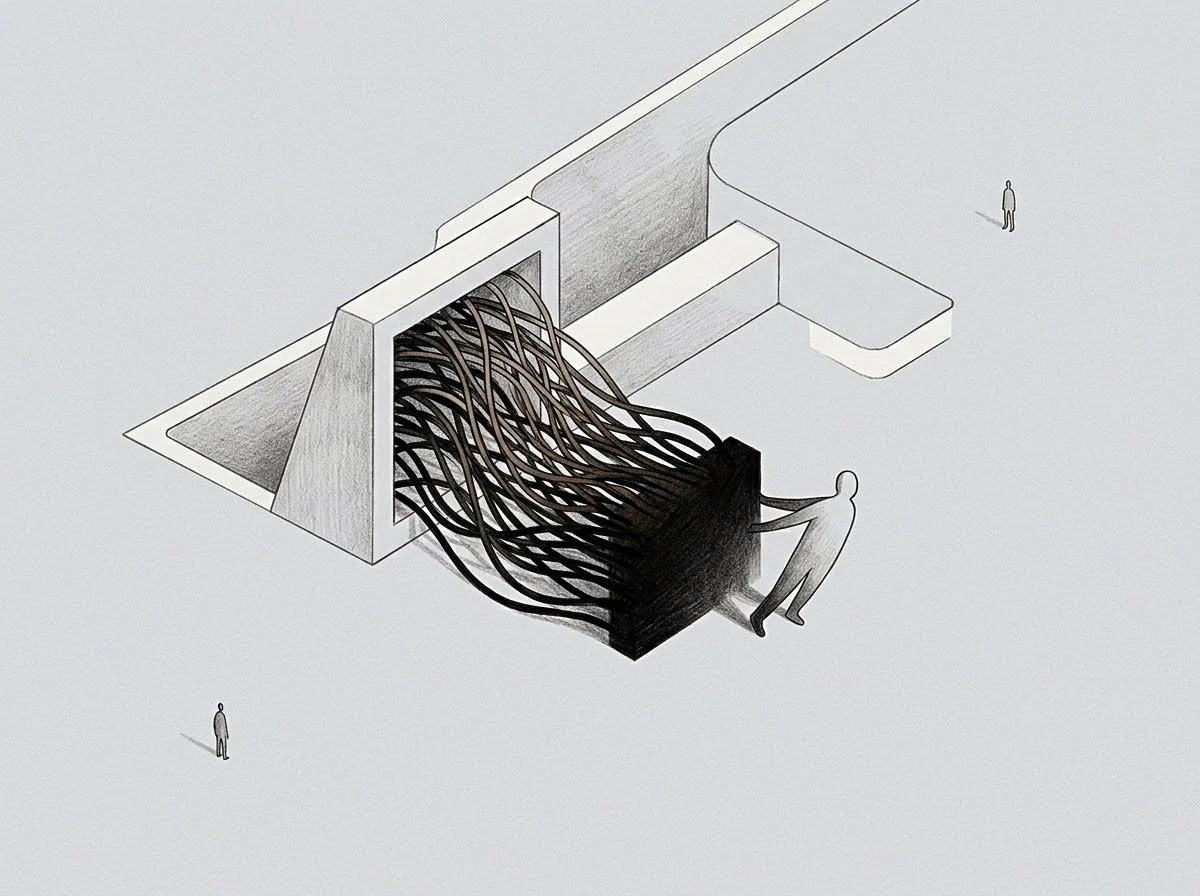
Information Flows and Structural Boundaries
Operating executives manage the delivery of company data to the board. Directors cannot fulfill their responsibilities without accurate, consistent financial and operational reporting. Even so, directors do not need real-time access to staff chat platforms, sprint planning boards, or internal code repositories.
Unrestricted operational access invites informal meddling and undermines line managers.
Standardized board packages work better than unstructured communication. Regular monthly packs covering cash runway, gross margin trends, customer retention, and head count progress give directors the visibility they need under their duty of care. When a director requires a closer review of a specific division, the inquiry goes through the chief executive or an independent audit committee.
Bypassing the executive team disrupts the operational chain of command.
Without clear reporting rhythms, directors often argue they lack operational visibility, while executives complain that governance interference keeps the team from executing the plan.

Charter
Formal governing charters turn informal working habits into durable legal structures. Charters state the purpose, meeting frequency, quorum requirements, and voting rules for corporate bodies. A well-constructed board charter marks the perimeter of fiduciary oversight, distinguishing between operational matters delegated to management and actions requiring formal board consent.
This clarity removes confusion over managerial autonomy.
Establishing clear institutional boundaries involves four practical steps. These steps replace informal startup customs with verifiable corporate governance processes.
- Resolution drafting articulates the specific delegation of executive authority, setting cardinal financial caps on vendor contracts, credit commitments, and capital expenditures.
- Charter formalization adopts a written governance mandate that delineates board committees, independent director seats, and explicit information delivery schedules.
- Compensation restructuring decouples equity dividend distributions from executive employment salaries, paying market-rate operational wages for executive labor.
- Observer regulation restricts non-voting equity observers from speaking on operational topics during formal fiduciary deliberations unless expressly invited by the board.
Paying executives standard market salaries eliminates friction between operational and passive shareholders. When an active partner takes below-market cash while holding major equity, that operator effectively subsidizes passive co-owners through uncompensated work. The operating partner builds resentment over time, while passive owners focus solely on financial yields.
Setting market compensation establishes clear commercial terms for daily work, keeping equity returns strictly tied to capital performance.
A clear compensation contract separates operational labor value from shareholder return on capital.
Independent directors provide constructive tension in closely held businesses. When two co-founders reach an impasse on strategy, deadlocks freeze both the board and the operating floor. Adding an experienced independent director resolves deadlocks and provides detached oversight.
An independent director brings no legacy loyalties and evaluates choices strictly on long-term corporate health.
Failing to document governance lines regularly results in derivative lawsuits, frozen operating accounts, and sudden executive departures that impair enterprise value during financing rounds.

Breach
Breaching the boundary between board oversight and operational management carries measurable costs. When directors intervene in day-to-day work, experienced executives leave rather than navigate ongoing operational interference. The company then deals with leadership turnover, diminished management morale, and shifting priorities.
Conversely, when an executive treats the board merely as a rubber stamp, hiding balance sheet risks or unapproved credit obligations, directors face statutory liability for failing in their duty of care.
Corporate records show that owner-operators frequently postpone formal structural separation until problems emerge. An investor dispute, an unexpected loan rejection, or a formal personnel claim forces the company to clarify where supervisory responsibility actually sat. Without documented governance lines, regulators and courts often view the leadership group as a consolidated liability unit.
Disregarding the operational boundary makes piercing the corporate veil considerably simpler.
An officer cannot govern, manage, and execute indefinitely without physical fatigue and declining judgment. Human limits mean that deep technical craft, team management, and board governance require conflicting cognitive approaches. Handling all three roles without written charters wears down the operator and leaves the business exposed to major oversight failures.
A business endures when founders understand that ownership outlasts operational tenure. An individual might manage engineering for three years, lead overall operations for seven, and remain on the board as a director for two decades. Establishing boundaries between those positions early protects corporate value, shields personal assets, and builds an organization capable of operating beyond any single founder.
Whether an owner-operator can step back from daily management while maintaining effective board oversight remains a central challenge for private businesses undergoing leadership transitions.