

Removing Residual Founder Veto Powers During Executive Succession
Amended corporate charters and sunset terms extinguish negative shareholder vetoes by converting special consent rights into standard equity voting.
Amended corporate charters and sunset terms extinguish negative shareholder vetoes by converting special consent rights into standard equity voting.

Reserving structural capital decisions for majority shareholders while delegating routine execution to officers prevents agency conflict and operational stall.

An operational position charter codifies an executive's explicit authority, signing limits, and operational metrics to eliminate jurisdictional friction.

Corporate charters and delegation deeds separate equity voting power from executive command by confining shareholder influence to director elections.

Codifying tacit founder decision rules translates implicit operational intuition into explicit governance, securing maximum upfront acquisition capital by reducing key-person risk.

Decoupling owner decision rights from operating seats isolates capital governance from daily management, protecting operational autonomy during executive transitions.

Switching between daily operations management and board governance generates cognitive latency and structural bias that degrades long-term fiduciary oversight.

Capital allocation collapses when daily execution consumes executive capacity, requiring proxy seats to isolate balance sheet governance from maintenance.
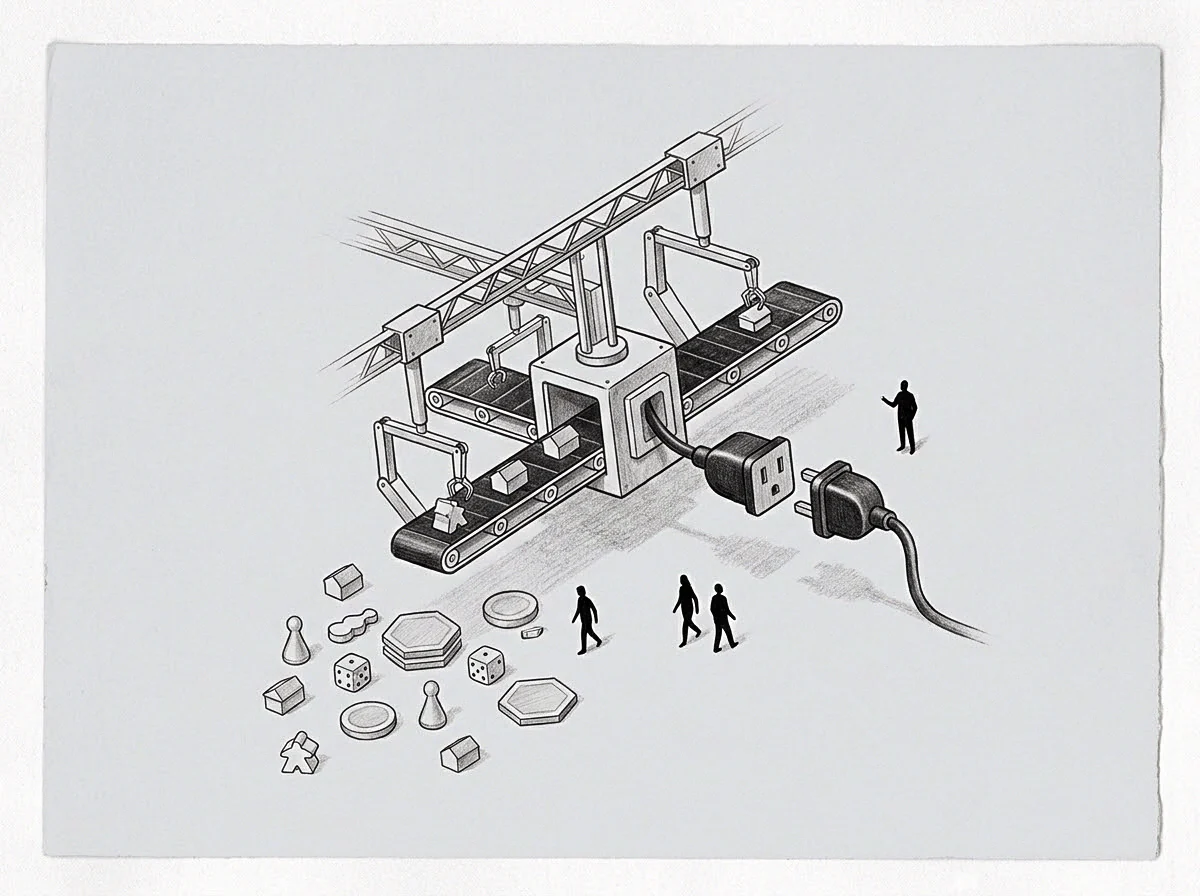
Strategic governance degrades when direct production output consumes unreserved weekly calendar blocks, requiring explicit capacity ceilings to protect equity oversight.
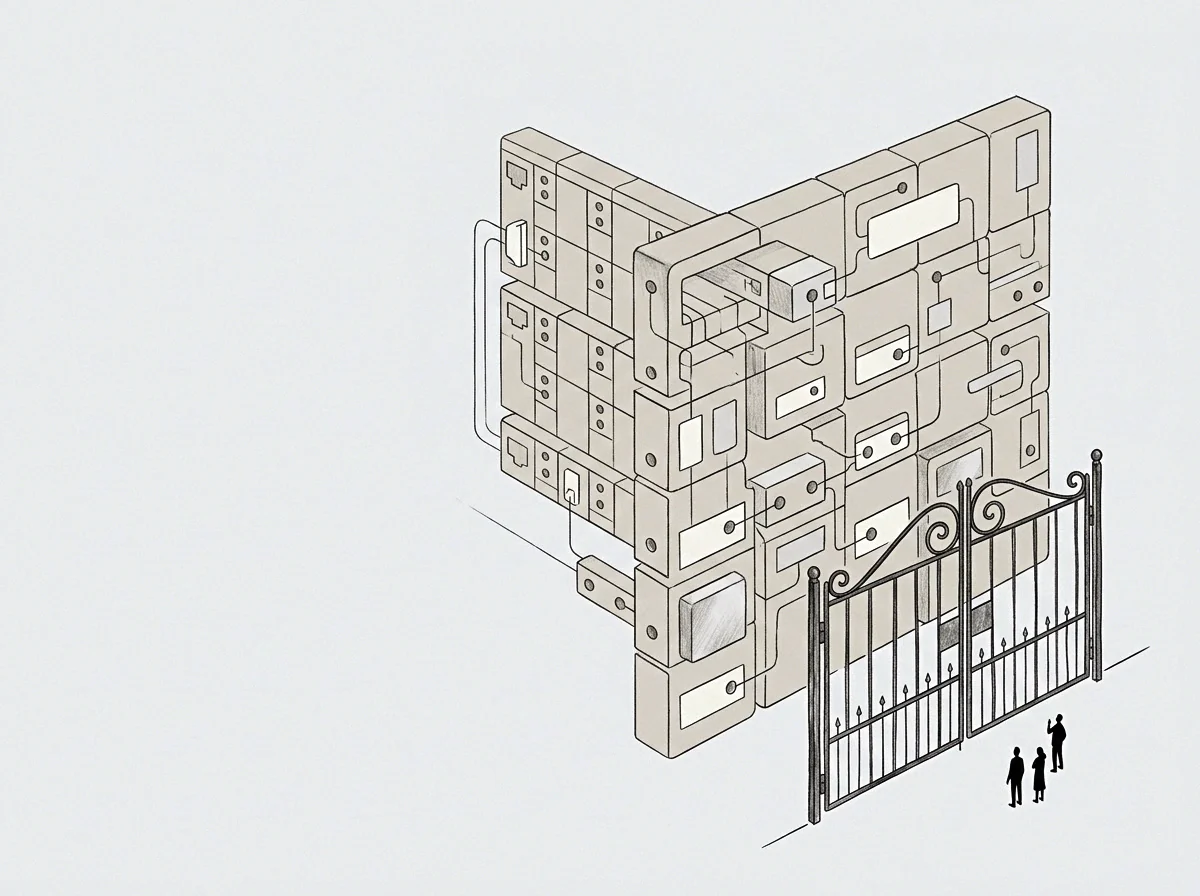
Executive seats require redundant operational labor buffers when transaction surges cost more in lost strategic output than carrying excess baseline payroll.

Corporate authority divides into fiduciary equity oversight preserving enterprise solvency and delegated executive management executing daily operational targets.

Separating technical production from executive management replaces unpriced tacit labor with explicit governance terms, protecting executive capacity and structural solvency.

Uncoupling operational executive control from equity governance requires revoking officer signing authority while restructuring share voting rights via proxy conversion agreements.

Separating technical labor from firm governance requires pricing operational labor at market rates, isolating weekly hours, and formalizing independent decision rights.
Separating production duties from strategic planning requires contractually bounded hours, explicit role definitions, and market pricing of technical labor.

Structural separation isolates technical execution from managerial oversight to eliminate cognitive context switching and clarify organizational decision rights.
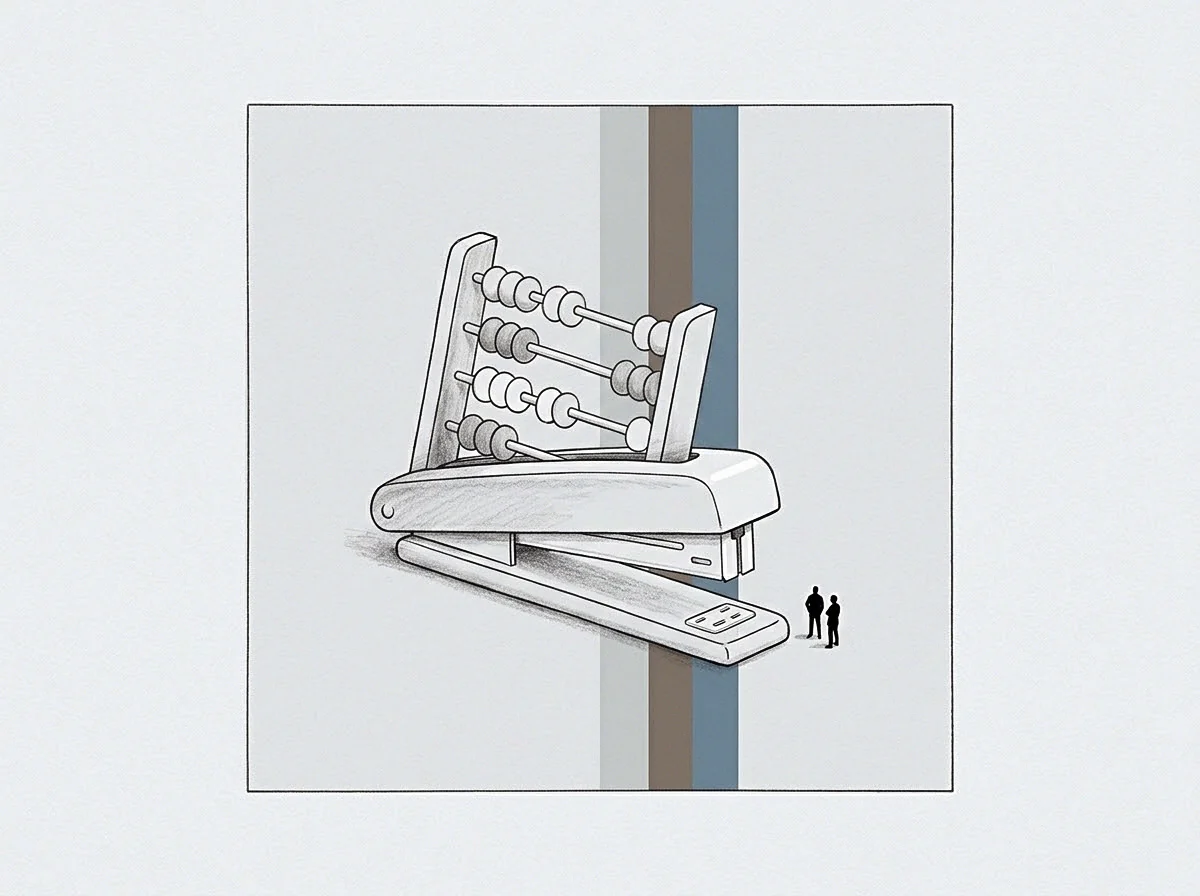
Market stress triggers structural authority reversion to founders through informal relational networks, destabilizing appointed successors during crises.

A single person managing an enterprise holds three distinct structural roles whose conflicting time horizons and operational demands require formal separation.

Decoupling founder ownership veto rights from routine management requires amending shareholder agreements to restrict consent powers to structural equity events.
The terms are written where they belong. Each field holds three desks, and every entry a desk writes raises the terms it uses, each term given a meaning, a mechanism and the places it appears. The record on these pages stays first person and hand made; the fields grow the nomenclature.