Meaning
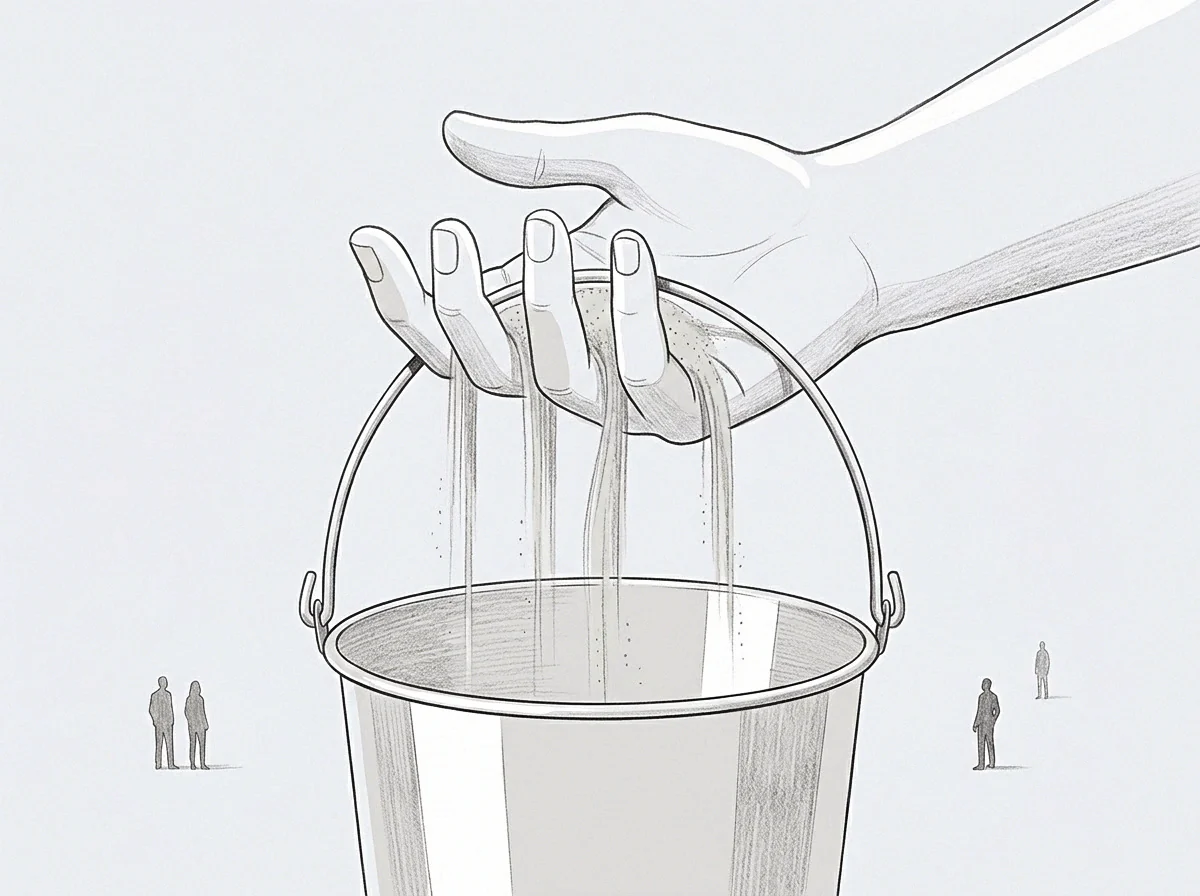
Statistical measurement of the inconsistency between choices made by different individuals or by the same person at different times under similar conditions identifies flaws in a company operating system. High levels of decision variance indicate that a business relies on individual intuition rather than standardized protocols or shared values. This metric tracks the deviation from a predicted or desired outcome within a specific operational seat and highlights where training or documentation has failed.
It stops applying once a process is fully automated or governed by a rigid algorithm that removes human reasoning entirely.
Founder Burden
Transfer of authority to a professional manager often reveals a gap in how specific situations are handled compared to the original method. When decision variance increases, the person who founded the firm spends more energy correcting the choices of others and less time on strategic growth. This friction occurs because the tacit knowledge held by the original operator is not easily recorded or taught.
The cost is measured in the hours spent in review meetings and the mental capacity used for constant oversight.
Procedural Standard
Documentation of logic functions to narrow the range of possible responses to a given business stimulus. Reducing decision variance requires the creation of clear rubrics that guide a successor through complex trade offs without requiring the original owner to intervene. If the rubric is too narrow, the organization loses its ability to adapt to novel challenges or market shifts.
A balanced approach maintains consistency while allowing for the necessary situational adjustment that keeps a firm competitive.
Operating Risk
Instability in the selection of priorities leads to wasted resources and a confused workforce. Frequent decision variance creates a culture of second guessing where employees wait for approval instead of taking action on their own. Reliable outcomes depend on the alignment of reasoning across the entire leadership team.