Meaning
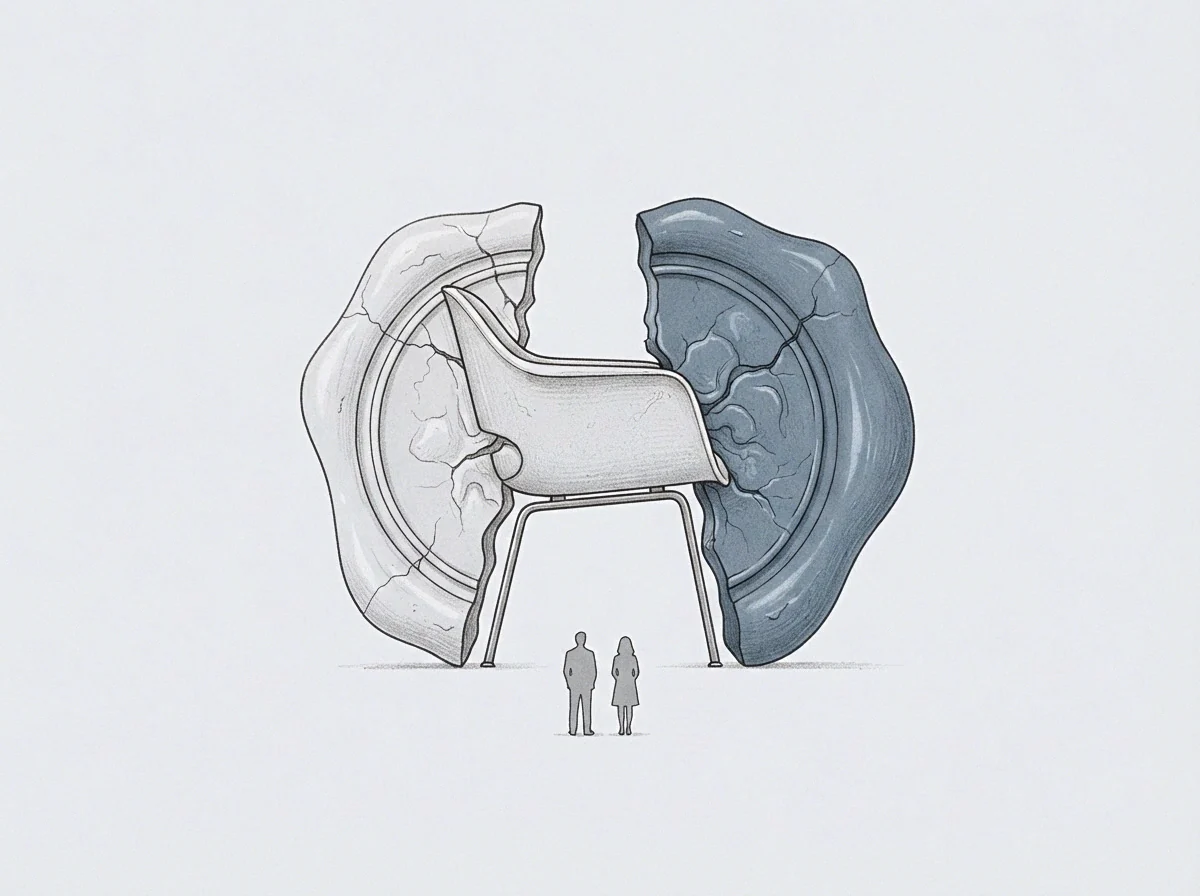
Transition of board seat rights from specific individuals to institutional investment firms as part of a capitalization change. A director entitlement shift occurs when the personal appointment rights of a founder are replaced by seats tied to a particular class of preferred stock. This transition marks the end of individual board control and the beginning of representative governance.
The boundary of this change is reached when the last personal seat is surrendered or converted into a common vacancy.
Power Reallocation
Professionalization of the board often requires the removal of legacy observers and non-voting members. During a director entitlement shift, the board adopts a skills based matrix to fill vacancies rather than relying on personal loyalty. This process forces a change in how the company evaluates long term strategic risks.
Influence Decay
Founders often experience a reduction in their ability to dictate specific outcomes during executive sessions. A director entitlement shift necessitates a move toward consensus building rather than executive fiat. The cost to the former leader is measured in the capacity to drive rapid pivots without broad committee support.
Meetings become longer and require more preparatory work to align the new institutional representatives.
Composition Stability
Systematic board updates prevent the stagnation of old ideas. New perspectives enter the room following a director entitlement shift.