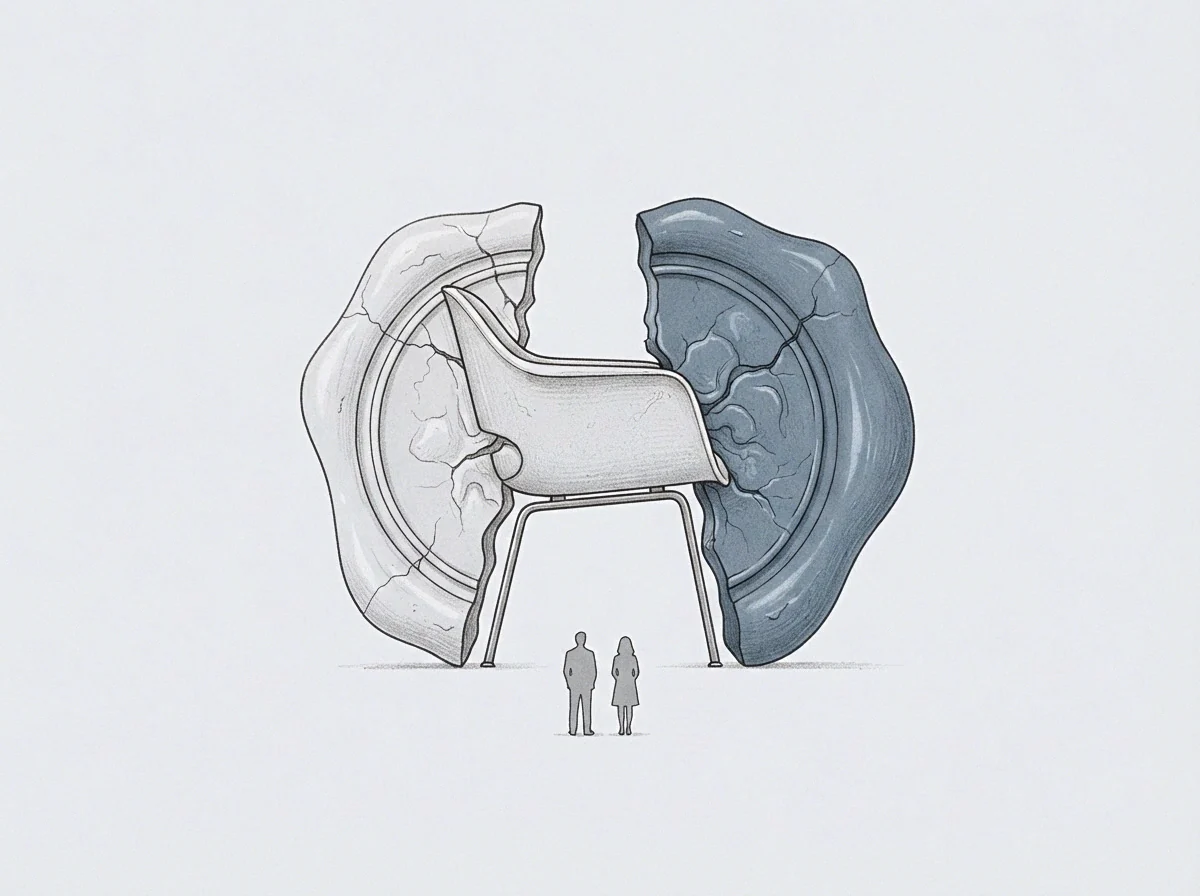
Meaning
A deliberate modification of the ratio between debt and equity financing used to fund long term corporate operations. A capital structure transition typically occurs when a firm moves from early stage venture funding to cash flow self sufficiency or senior debt financing. This shift alters the distribution of risk and control between founders and external investors.
It marks the point where operational control must be balanced with the strict covenants imposed by institutional lenders. The change in capital allocation forces a realignment of corporate priorities, shifting the focus from rapid market acquisition to sustainable cash generation.
Governance Realignment
The redistribution of voting power and board control constitutes the primary non financial consequence of altering these funding ratios. When new equity classes are introduced, the founder often surrenders unilateral decision making authority over major corporate transactions. This process limits the autonomy once enjoyed by the executive team.
Operating Burden
Debt covenants and interest obligations impose immediate liquidity demands on the daily cash flows of the organization. Meeting these fixed obligations reduces the capital available for research, product development, or aggressive hiring. The business must prioritize debt service over speculative growth opportunities.
Long Term Outcome
The eventual outcome of such adjustments is a more stable but less flexible corporate entity. Founders who successfully manage a capital structure transition secure the long term survival of the enterprise at the expense of their percentage holdings. This trade off defines the mature phase of corporate stewardship.