Meaning
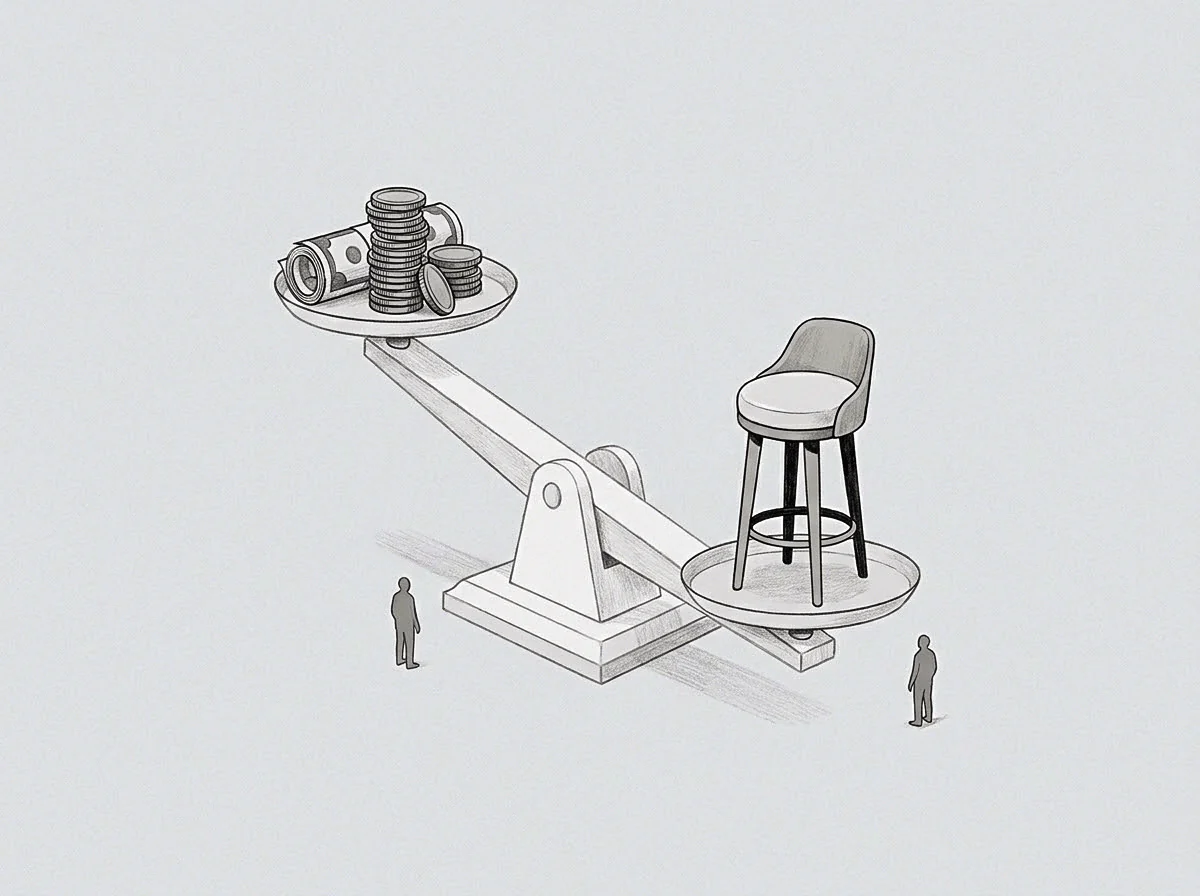
A mathematical factor represents the adjustment applied to future cash flows to establish their present value. Investors utilize a discount rate to account for the time value of money and the inherent uncertainty of eventual returns. High expectations for growth or elevated risks necessitate a larger adjustment to align distant gains with current resources.
Capital Allocation
Corporate leadership applies this metric when evaluating long-term commitments of company capacity. Choosing between multiple projects requires standardizing disparate timelines to identify which option offers superior utility. Managers who ignore this mechanism often overestimate the future gain of a strategy that requires immediate expenditures of attention and liquid assets.
Risk Calibration
Uncertainties regarding market conditions or operational continuity force adjustments to the percentage used for calculation. Higher variability in expected outputs demands a higher figure to compensate for the possibility of failure or delay. Founders must decide if the projected yield justifies the intensity of effort required to manage that specific hazard.
Temporal Value
Money possesses less utility in the future than it does today because current funds allow for immediate deployment. Delayed receipts lose potential if they sit outside the reach of the business. Placing a numerical weight on this interval ensures that decisions favor the most efficient use of available resources over the course of an operating tenure.