Meaning
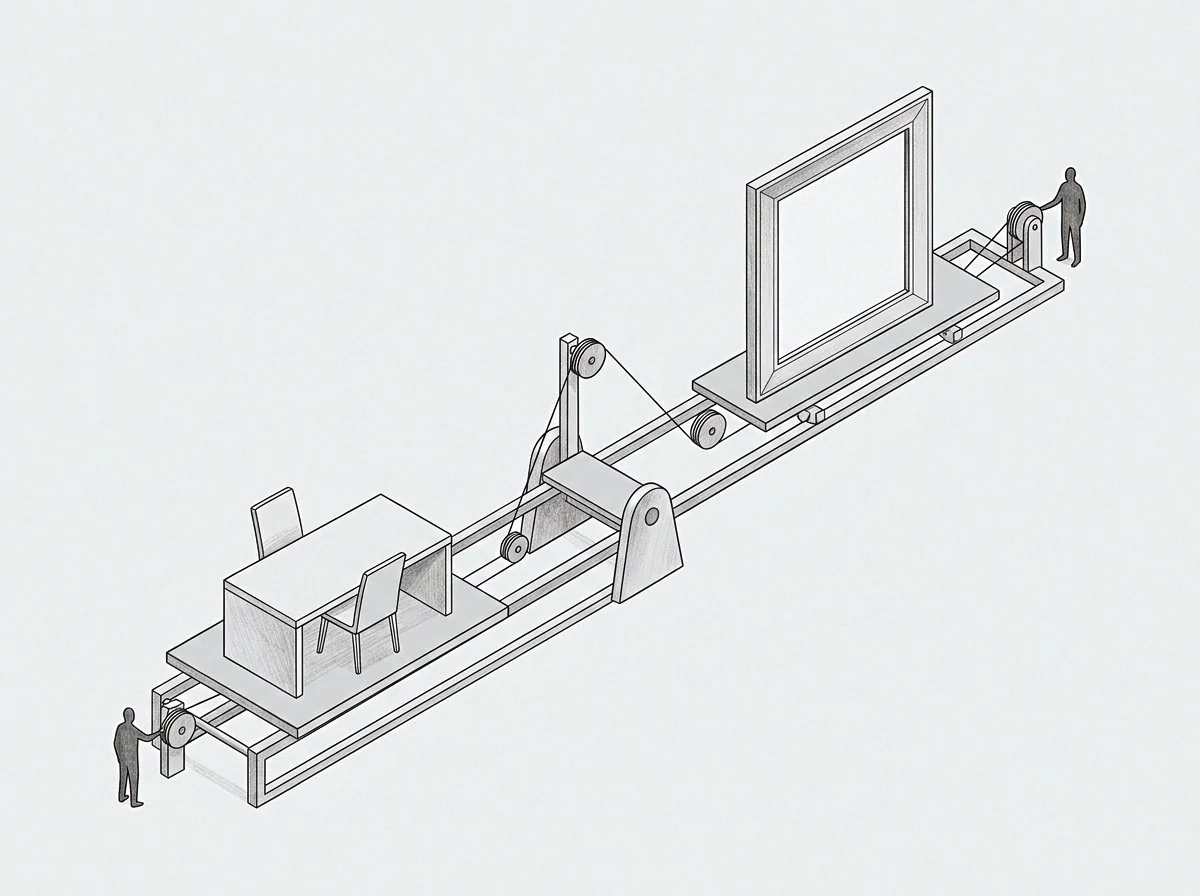
Explicit limits defined in formal records establish the boundaries of autonomous decision making for different roles. These documented thresholds specify exactly when an employee must seek approval from a higher authority, such as for expenditures over a certain dollar amount. This system governs the delegation of power and ensures that the founder is only involved in high-impact choices.
It stops being effective if the rules are frequently bypassed or if the thresholds are set too low for the pace of the business.
Decision Boundary
Clear rules prevent the paralysis that occurs when staff are unsure of their authority. By using documented thresholds, an organization can move faster because routine actions do not require executive review. The person in the manager seat gains the confidence to act within their assigned limits.
Authority Matrix
Mapping these limits across the entire company creates a transparent structure of responsibility. It prevents the overlap of duties and the confusion of who has the final say on a project. Documented thresholds act as the legal code for the internal operations of the firm.
Operational Safety
Risk management depends on the enforcement of these spending and policy limits. They prevent any single individual from making a mistake that could jeopardize the entire company. The cost of maintaining this system is the administrative time required to update the records as the company grows.
Keeping these limits relevant ensures that the organization remains both agile and secure.