
Quantifying Operational Interruption Thresholds In Executive Time Allocations
Executive capacity degrades when unscheduled operational interruptions exceed two events per four-hour window, requiring formal escalation filters.

Load
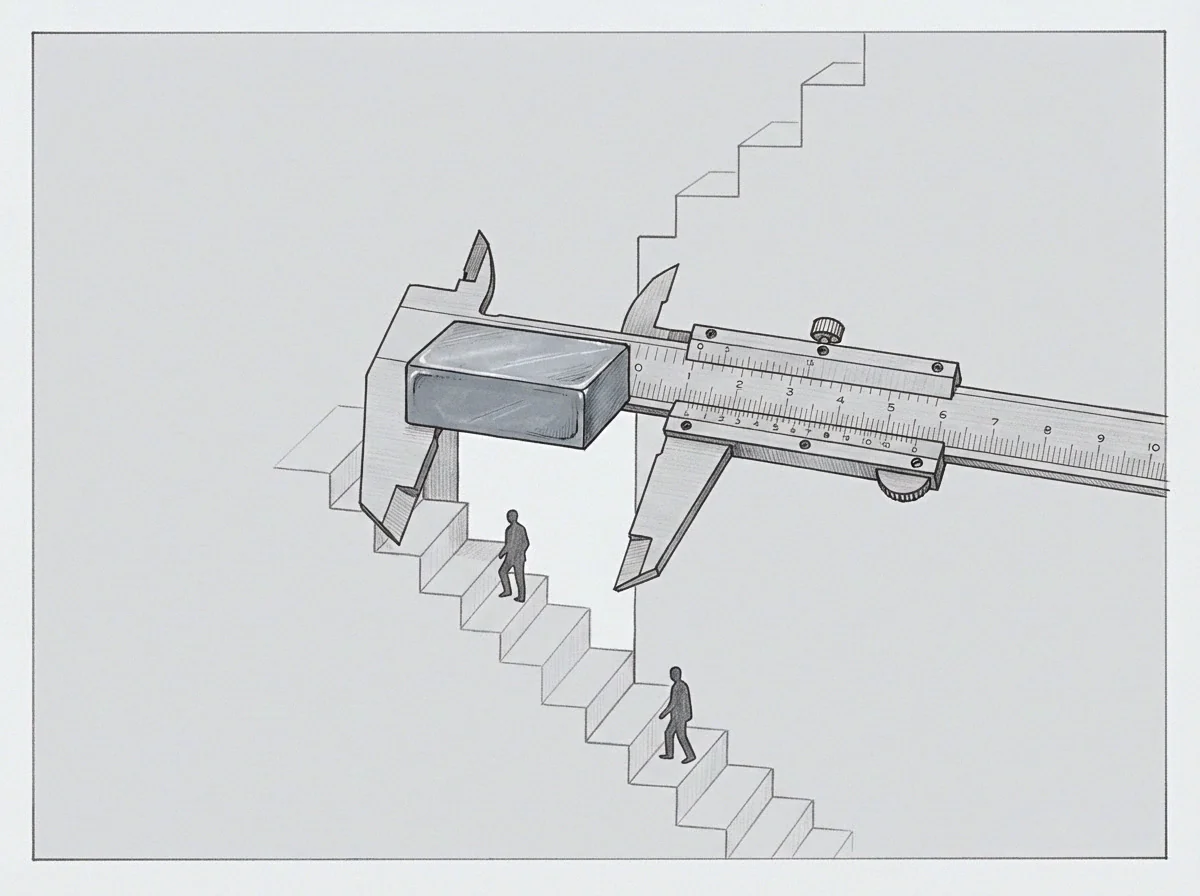
Operational Incursions In Executive Calendars
Executive calendars routinely fracture under the weight of unscheduled tactical requests. In a newly formed enterprise, a single leader often occupies three distinct functional positions at once: the technician performing direct production, the manager supervising coordination, and the strategic steward allocating capital. Tactical inquiries from operating teams default to the senior leader because that individual retains historical operating knowledge across systems, vendor agreements, and software configurations.
These operational incursions arrive as brief questions, urgent notifications, and direct chat pings. Each event presents itself as an isolated demand requiring five minutes of tactical clarity.
The cumulative temporal volume of these inquiries obscures their deeper organizational penalty. When forty percent of a working day dissolves into four-minute fragments, the person in the leadership seat loses the continuous time required for capital allocation, contractual design, and organizational hiring. Attention fragments rapidly.
Operational demands expand to consume every block of unallocated executive time unless isolated by explicit operational fences.
Tactical demands operate with immediate temporal gravity, whereas long-term governance permits deferral. The executive responds to the live system failure, the customer escalation, or the inventory discrepancy because tangible feedback follows immediate intervention. Strategic stewardship produces dispersed, delayed feedback.
The technician seat takes over. The operational habit established during initial product launch persists long after operating personnel arrive to assume direct management duties. The person wearing the executive title continues to absorb operational friction without acknowledging the invisible hours surrendered to tactical maintenance.
Executive hours disappear first. Left unmonitored, the calendar registers sixty hours of weekly labor while enterprise governance stalls entirely. A calendar filled with operational rescue work produces an enterprise unable to navigate market changes.

Wedge
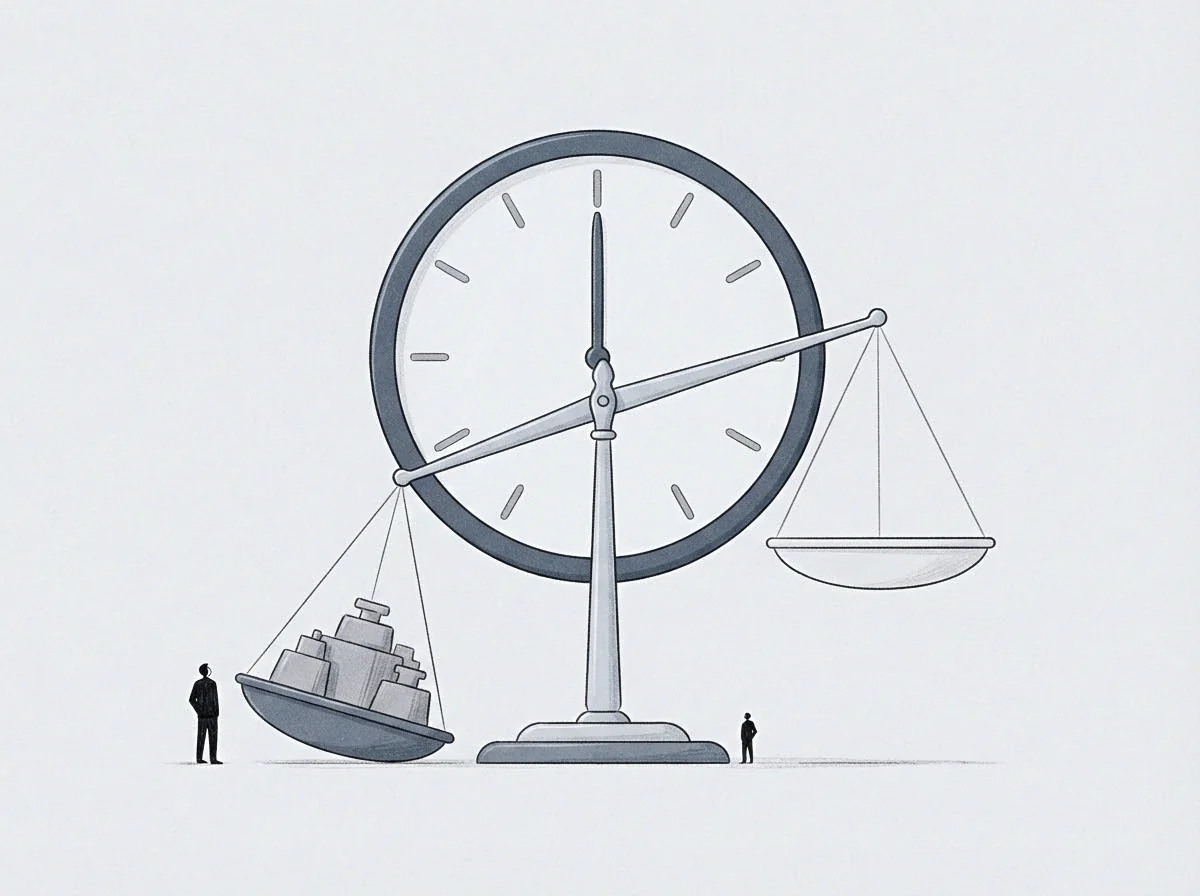
Cognitive Resumption Penalties And Attention Fragmentation
A tactical interruption cleaves an executive schedule into disconnected segments. Research examining attention residue demonstrates that completing a complex intellectual task requires sustained working memory activation. When an unscheduled operational crisis pulls an executive away from capital structure modeling or executive compensation design, cognitive immersion breaks instantly.
Recovery takes twenty minutes. The executive returns to the strategic document with depleted focus while residual thoughts linger on the unresolved technical dispute.
In industrial machining, restarting a lathe after a mid-cycle stoppage introduces metallurgical micro-fractures into the workpiece. Cognitive shifts across executive work produce comparable structural defects in strategic reasoning. The human mind does not swap contextual environments like computer memory.
It drags the emotional tone, cognitive debris, and unresolved tension of the preceding conversation into the subsequent analytical task. Every interruption leaves wreckage.
Repeated task interruption produces four documented systemic failure modes in executive schedules:
- Attention residue accumulation reduces analytical precision as multiple half-finished operational inquiries degrade working memory capacity throughout the afternoon.
- Premature decision closure occurs when an interrupted executive approves suboptimal operational compromises simply to terminate active cognitive strain.
- Strategic task deferral pushes complex governance initiatives into late evening hours when physical fatigue compromises executive clarity.
- Operational dependency reinforcement trains staff to escalate routine variances upward rather than cultivating localized procedural authority.
When unscheduled tactical interruptions exceed two occurrences within a single four-hour block, executive strategic throughput declines below fifty percent due to compounded context shifts.

Run Rate Interruption Velocity
The frequency of operational disruptions dictates the survivability of executive focus. An enterprise experiencing high interruption velocity forces its executive into a continuous defensive posture. Unscheduled requests carry heavy penalties.
Consider an operating week where a leader attempts to maintain thirty hours of enterprise governance. If operational interventions occur at an average cadence of once every forty-five minutes, continuous focus blocks exceeding one hour cease to exist. The schedule shows five fragments.
The leader occupies the manager seat during morning hours, drops into the technician seat to patch an unexpected infrastructure fault, and attempts to inhabit the founder seat during disjointed fifteen-minute intervals. Role strain intensifies under this temporal fragmentation. Persistent operational interference converts senior leadership into an expensive tactical clearinghouse while long-term enterprise value decays unchecked.
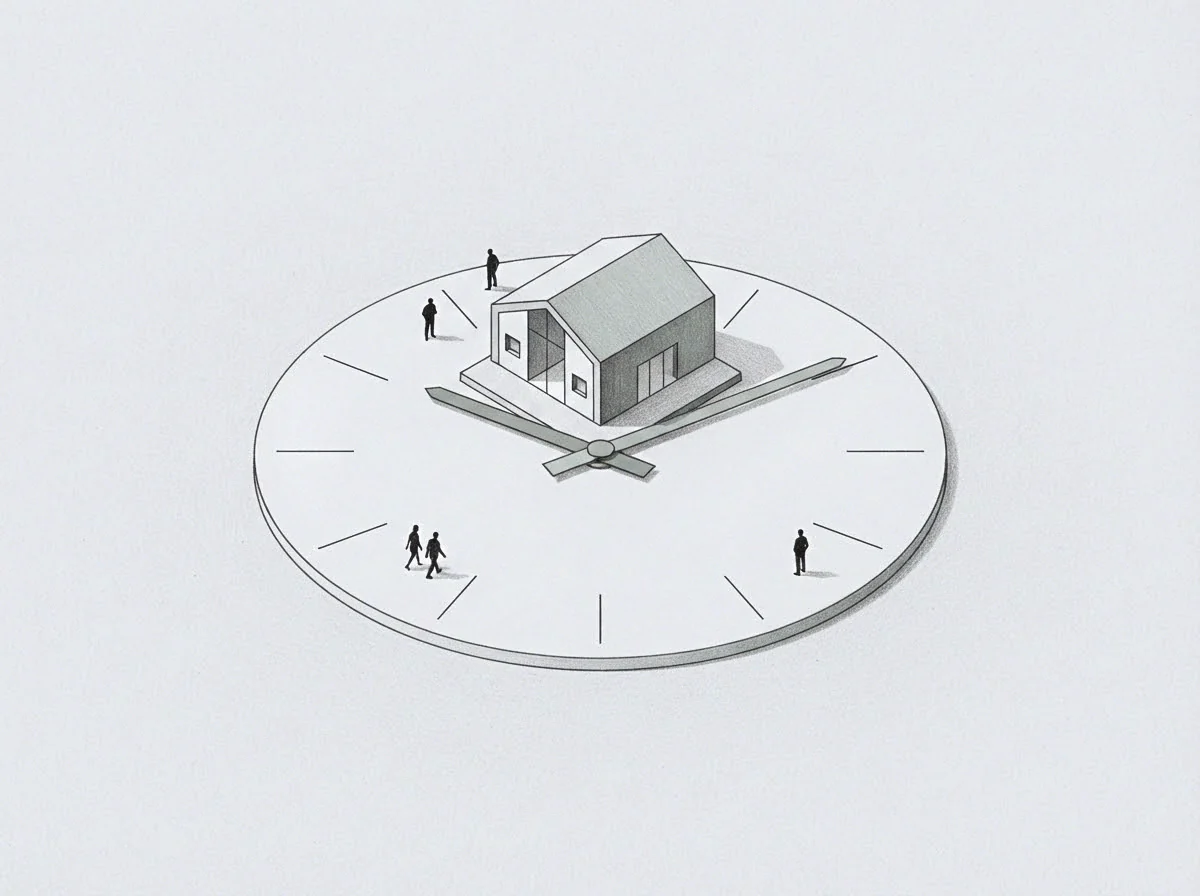
Span

Which Operational Incursions Exceed The Allowable Threshold?
Determining allowable operational interruption requires establishing quantifiable boundaries for executive time allocations. Organizations define distinct tolerances for unscheduled operational disruptions depending on the explicit seat being analyzed. The technician absorbs operational shocks directly.
The manager organizes responses and filters noise. The strategic executive requires extended intellectual continuity to evaluate structural variables.
Silence costs capital. When senior leaders remain permanently reachable, operating teams interpret accessibility as an invitation to offload tactical uncertainty. The technician answers immediately.
Establishing explicit metrics separating routine managerial coordination from genuine systemic crises allows organizations to quantify when operational interventions breach sustainable limits.
| Seat Category | Maximum Interruption Frequency | Permissible Context Latency | Resumption Penalty Window | Weekly Interruption Budget |
|---|---|---|---|---|
| Technician | Six events per four-hour shift | Five minutes | Eight minutes | Twenty-four hours |
| Manager | Three events per four-hour shift | Thirty minutes | Fifteen minutes | Twelve hours |
| Executive | Zero events outside emergency gates | Four hours | Forty-five minutes | Two hours |

Quantitative Thresholds Across Operational Seats
To evaluate these thresholds in practice, evaluate a leadership structure managing an enterprise generating ten million dollars in annual revenue. The executive allocates forty-five hours weekly across operational oversight, team mentorship, and strategic growth. When operational teams interrupt this individual four times daily for tactical confirmations, the direct interruption duration totals forty minutes.
The real temporal toll includes the associated cognitive resumption penalties, which total one hundred and twenty minutes daily. Ten hours of weekly executive capacity vanish into context restoration.
Tacit obligations create friction. Subordinate personnel escalate operational items because historical precedent established that the executive resolves complications faster than documented internal operating protocols. The leader wears the technician seat out of habit while holding the executive seat in title alone.
Capacity drops to zero.
Tactical teams default to escalating operational friction upward whenever senior leaders maintain continuous communication availability.
The executive always resolved these production anomalies within minutes in earlier years, making immediate escalation the most direct path to unblocking the team.

Ceiling

Contractual Allocation Fences And Escalation Filters
Protecting executive time allocations demands structural intervention rather than personal discipline. Personal willpower fails when operational crises generate immediate social pressure to intervene. The organization builds structural fences that decouple executive attention from daily tactical variability.
The boundary collapses quietly when left undefended by hard procedural gates.
A company constructs an operational triage layer. Tactical inquiries first encounter documented protocols, peer-level review, and designated operational managers before crossing into the executive tier. Escalation rules prevent leakage.
Establishing an explicit four-hour operational quiet period each morning restricts tactical escalations to asynchronous queues and preserves thirty hours of deep executive output each month.

Structural Handover Of Tacit Triage
Transitioning out of worn operational seats requires codifying the implicit decision rules previously held in the founder mind. An executive documents expenditure authorities, client dispute tolerances, and delivery delay allowances. When operational teams gain explicit authority to absorb tactical losses up to five thousand dollars without executive sign-off, interruption velocity drops precipitously.
The financial cost of occasional minor operational errors remains significantly lower than the ongoing destruction of executive strategic continuity.
The organization defines an emergency by objective commercial metrics: physical safety breaches, regulatory inquiries, or immediate revenue losses exceeding stated thresholds. Everything else enters an asynchronous queue reviewed during dedicated managerial hours. A formal charter that binds operational escalations to pre-filtered monetary thresholds above fifty thousand dollars confines executive interruptions to catastrophic systemic exposures while transferring daily tactical variance to operating managers.