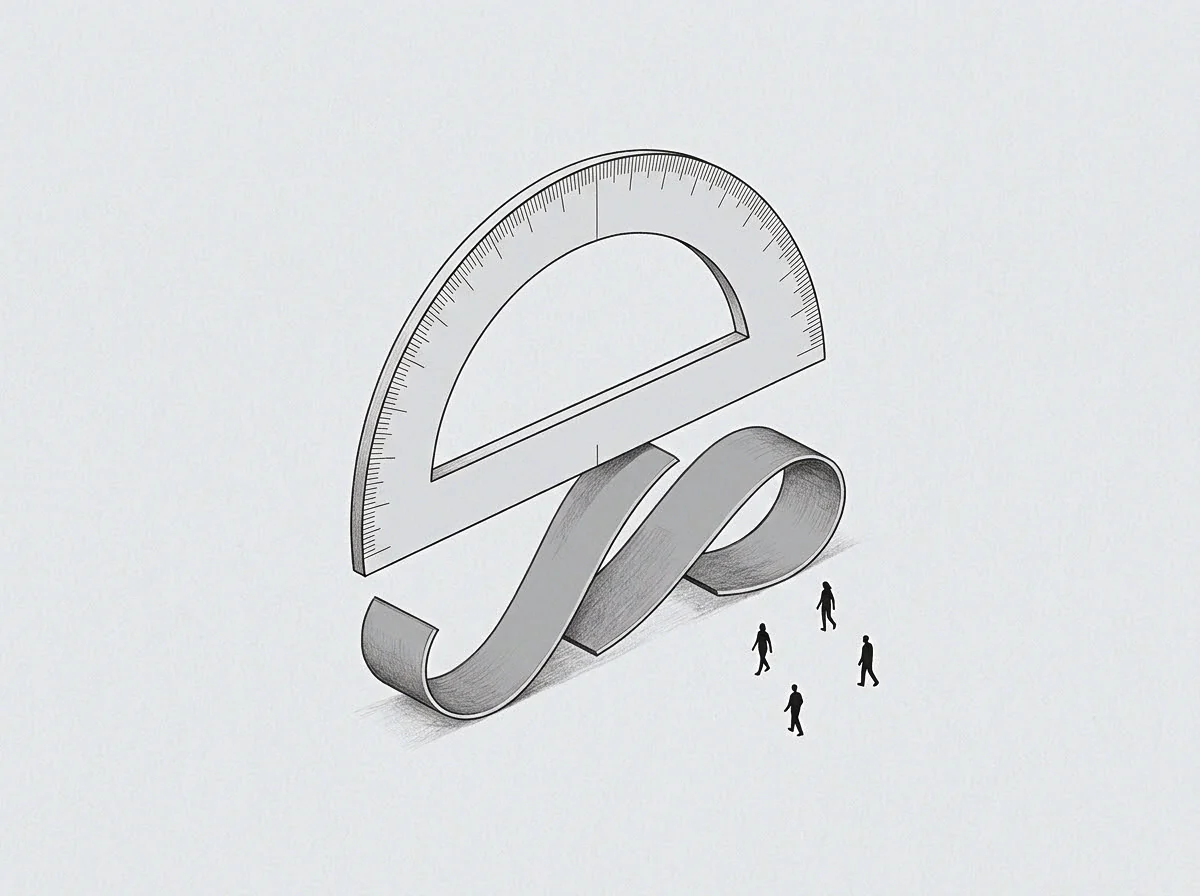
Meaning
A control mechanism mandates that two distinct signatures must appear on major financial or strategic documents for them to be legally binding. In transition phases, double signing frequently involves both the departing founder and the newly appointed chief executive. This structure ensures that neither party can bind the organization unilaterally.
Dual Action
This protective measure provides an operational safety net but introduces substantial friction. When double signing is enforced, the speed of execution drops because every transaction requires dual scheduling and alignment. The process often creates confusion among external vendors who must wait for both executives to complete the task.
Cognitive Energy
Cognitive energy and personal hours for the founder are heavily consumed under this dual requirement. Because the founder must review and authenticate every major document, the practice of double signing ties them to the daily flow of administrative details. This ongoing commitment of attention prevents them from starting new projects or fully stepping down.
The founder spends valuable executive capacity on routine approvals that a single competent operator should handle alone, leading to exhaustion and operational stagnation.
Protocol Constraints
Protocol constraints cease to apply once the transition period concludes and full authority is transferred. It is a temporary framework designed to transition power rather than a permanent operational standard. Continuing the practice beyond the agreed period breeds distrust and hampers the autonomy of the new executive.