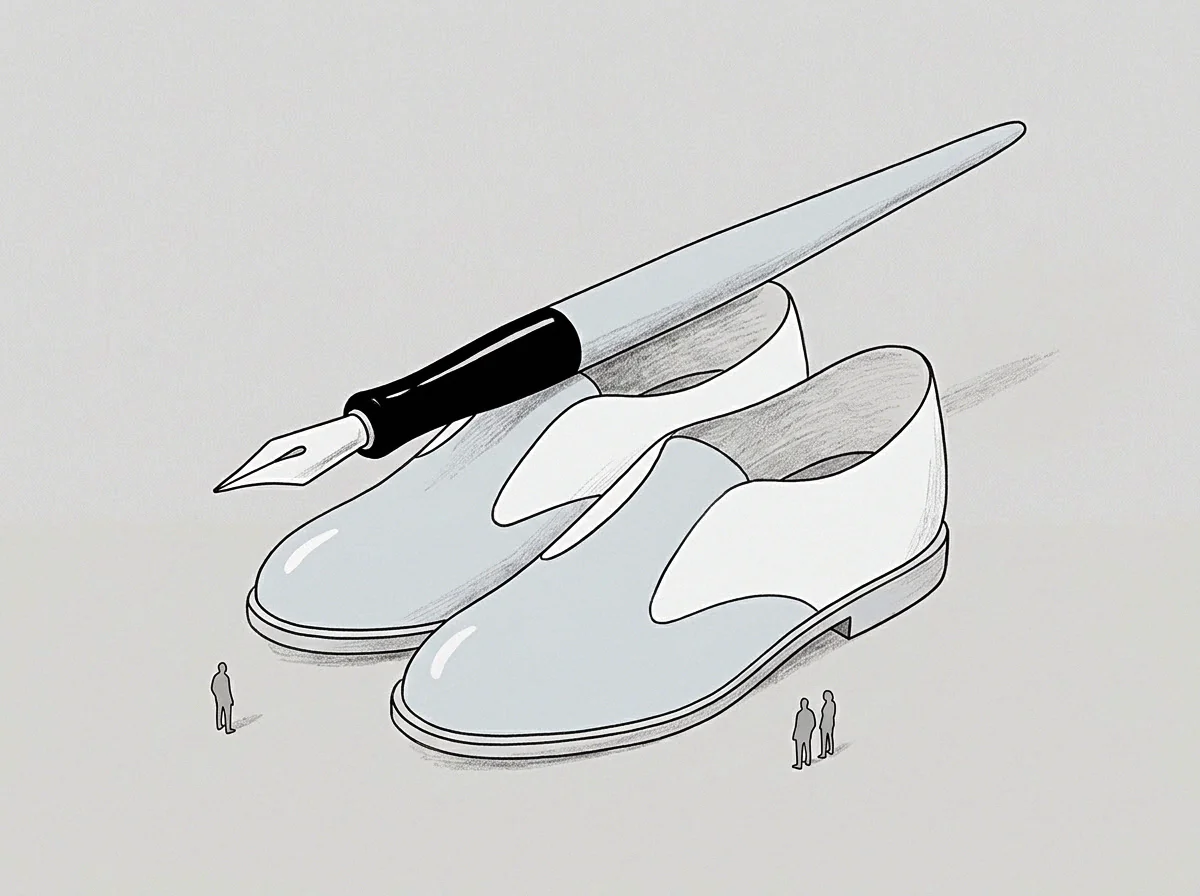
Meaning
Unspent equity or operational commitments left behind by a departing founder represent engine residue. This lingering obligation functions as a drag on the organizational velocity of the successor. The phenomenon occurs when informal verbal promises or specialized internal workflows remain tethered to the identity of the original architect rather than the position itself.
Operational Load
Successors inherit these residual tasks as hidden taxes on their available capacity. A founder might have maintained direct oversight of a specific client relationship or a technical niche that no official job description acknowledges. When the original occupant exits, the team expects the successor to fill these gaps without formal authority or resource allocation.
Such invisible labor depletes the hours required for genuine strategic transition.
Administrative Friction
Documentation gaps often solidify this buildup within the corporate infrastructure. Standard procedures frequently omit the personal shortcuts or heuristic decisions that a creator applied to manage daily turbulence. New operators encounter these silent protocols only when a system halts or a specific output fails to align with historical expectations.
Formalizing these hidden habits requires an audit of every informal decision point identified during the handover period.
Structural Decay
Prolonged attachment of such residue compromises the autonomy of the incoming leader. Excessive reliance on the ghost of the previous configuration prevents the evolution of internal systems. A dependency on past modes of operation eventually forces the successor to replicate the mistakes of the predecessor to maintain continuity.
Efficiency depends upon the total liquidation of these ghost roles within the first cycle of independent leadership.