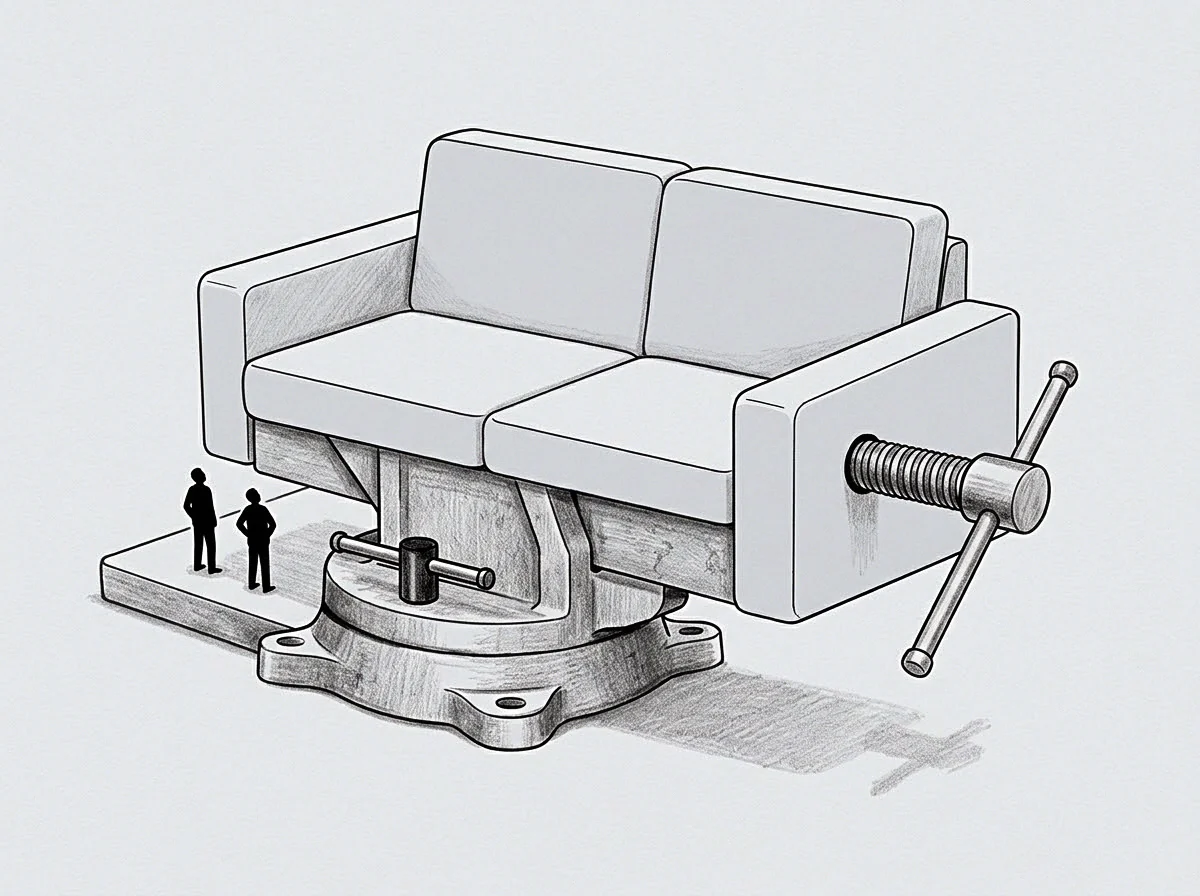
Meaning
Contractual adjustments to ownership percentages vary based on the achievement of specific internal rate of return or multiple of invested capital targets. Sophisticated equity ratchet mechanisms reallocate the cap table between founders and investors upon an exit event or a new funding round. These formulas reward the operator for exceeding baseline performance or penalize them for falling short of projections.
The cost is a dilution of the founder’s stake, which reduces the final payout at the end of the venture.
Performance Hurdle
Investors use these structures to mitigate the risk of overvaluation at the time of entry. If the company fails to reach a certain valuation, equity ratchet mechanisms shift a larger portion of the company to the preferred shareholders. This protects the capital of the lender while shrinking the reward for the founder.
The calculation often includes complex hurdles that must be met before the founder can claim a profit.
Exit Dilution
Payout distributions at the point of sale show the final state of the calculation. When equity ratchet mechanisms are active, the founder often receives less than the face value of their common stock. The complexity of the math requires constant monitoring of the balance sheet.
Owner Alignment
Ratchet structures ensure that the management team remains focused on high-growth outcomes.