Meaning
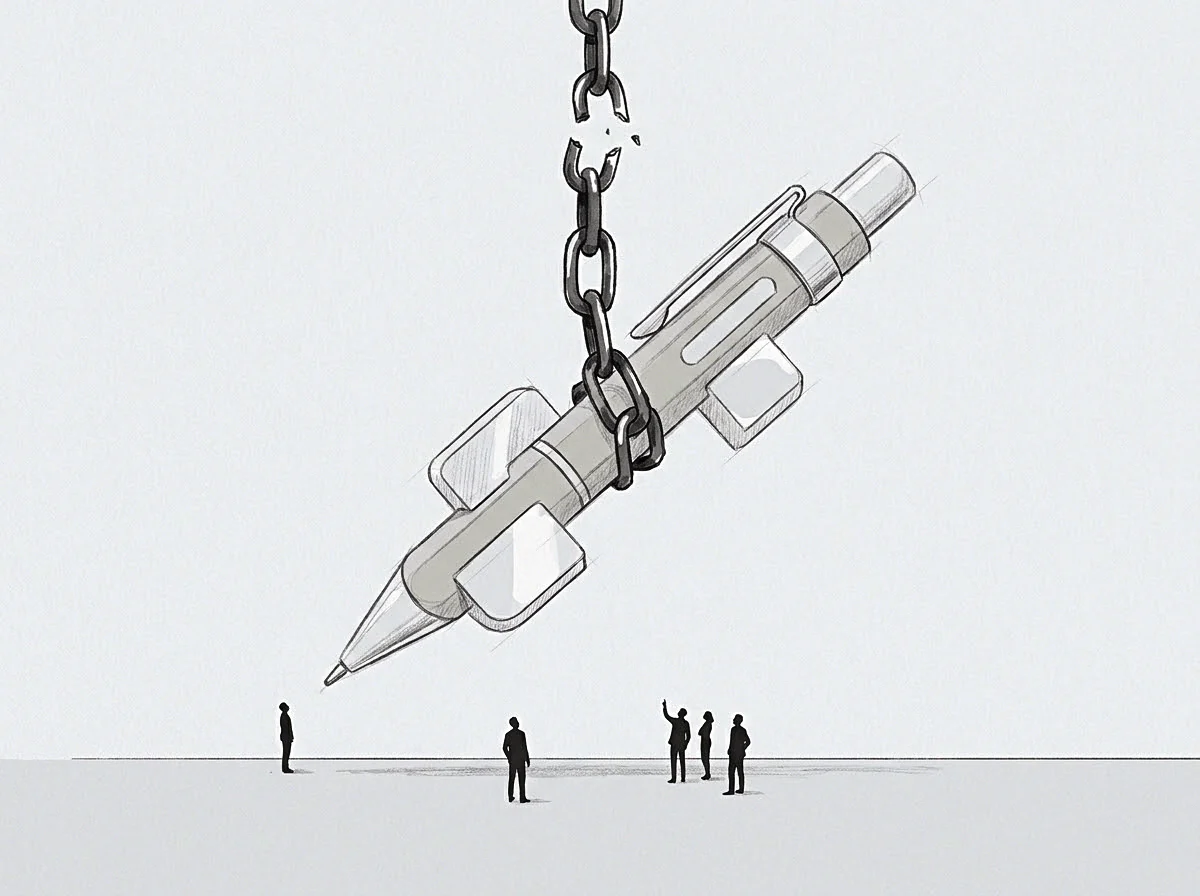
Financial misalignment occurs when the distribution of ownership between past contributors and present operators creates a barrier to future growth or motivation. This equity structure friction grows when the cap table is top-heavy with silent founders who hold the majority of the upside. It identifies the tension between those who built the foundation and those who must drive the current expansion.
Incentive Erosion
Current managers may feel their efforts primarily benefit people who are no longer active in the company. The cost of equity structure friction appears in the difficulty of hiring top talent who want a meaningful stake in the outcome. When rewards are decoupled from current effort, the drive to innovate fades.
Capital Attraction
Investors often look at the percentage of the company held by the people doing the work today. If too much equity sits with inactive parties, new funding becomes harder to secure because the dilution required to attract fresh capital falls disproportionately on those who are still building. Addressing equity structure friction is necessary for attracting the resources required to scale.
Relational Strain
Resentment builds when the operator sees the founder’s share value rise through their own toil. Conversations about reallocating or buying back shares are uncomfortable and require significant capacity. Resentment grows as the equity structure friction becomes a permanent feature of the board meetings.
This mental weight reduces the energy they bring to the office.