Meaning
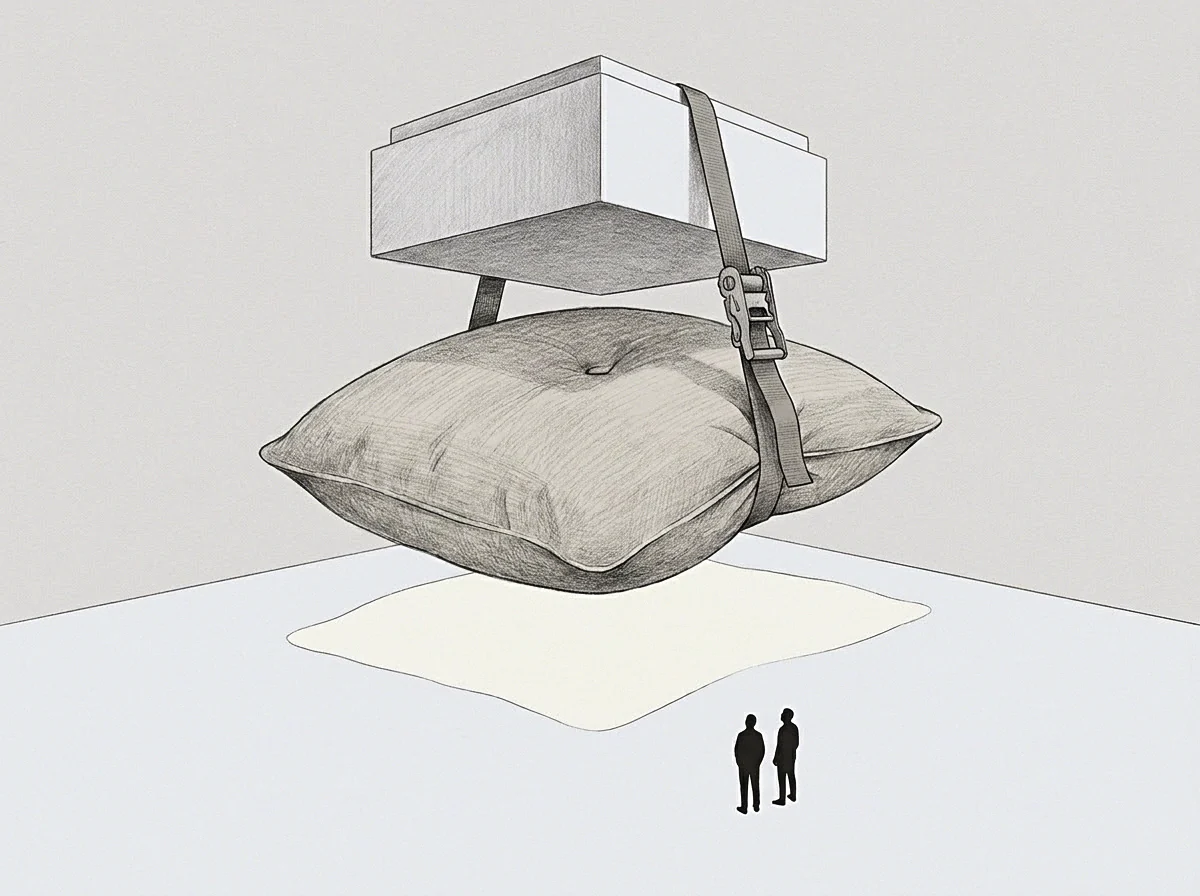
A structural withdrawal involves the deliberate transfer of day to day operational authority from a founder to a professional manager. This executive detachment functions as the definitive boundary between the phase of raw creation and the phase of established governance. It requires the owner to vacate specific functional desks while retaining an oversight role through board participation or advisory equity.
Procedural Displacement
Systematic handovers reduce the dependency of the organisation on the original architect. Executive detachment occurs through the scheduled documentation of internal processes that were previously held as tacit knowledge by the founder. This movement of information ensures that business continuity remains stable when the person who built the initial vision stops making tactical decisions.
Operational Cost
Cognitive capacity stands as the primary resource consumed during the transition period. Executive detachment requires a founder to expend significant mental energy on the selection and training of a successor rather than on product iteration or market development. These hours represent a permanent reallocation of focus that shifts the founder away from execution and toward long term oversight.
Performance Equilibrium
Institutional stability relies on the clarity of the lines drawn during the transition. Executive detachment shifts the burden of risk management from the individual to the collective structure of the firm. Clear separation between ownership and daily operation allows for the objective assessment of business health independent of the founder personality.