
Operational Handover Protocols For Senior Business Executive Exit
Senior executive operational handover transfers statutory, commercial, and tacit administrative authority through a staged sequence of structured protocols.

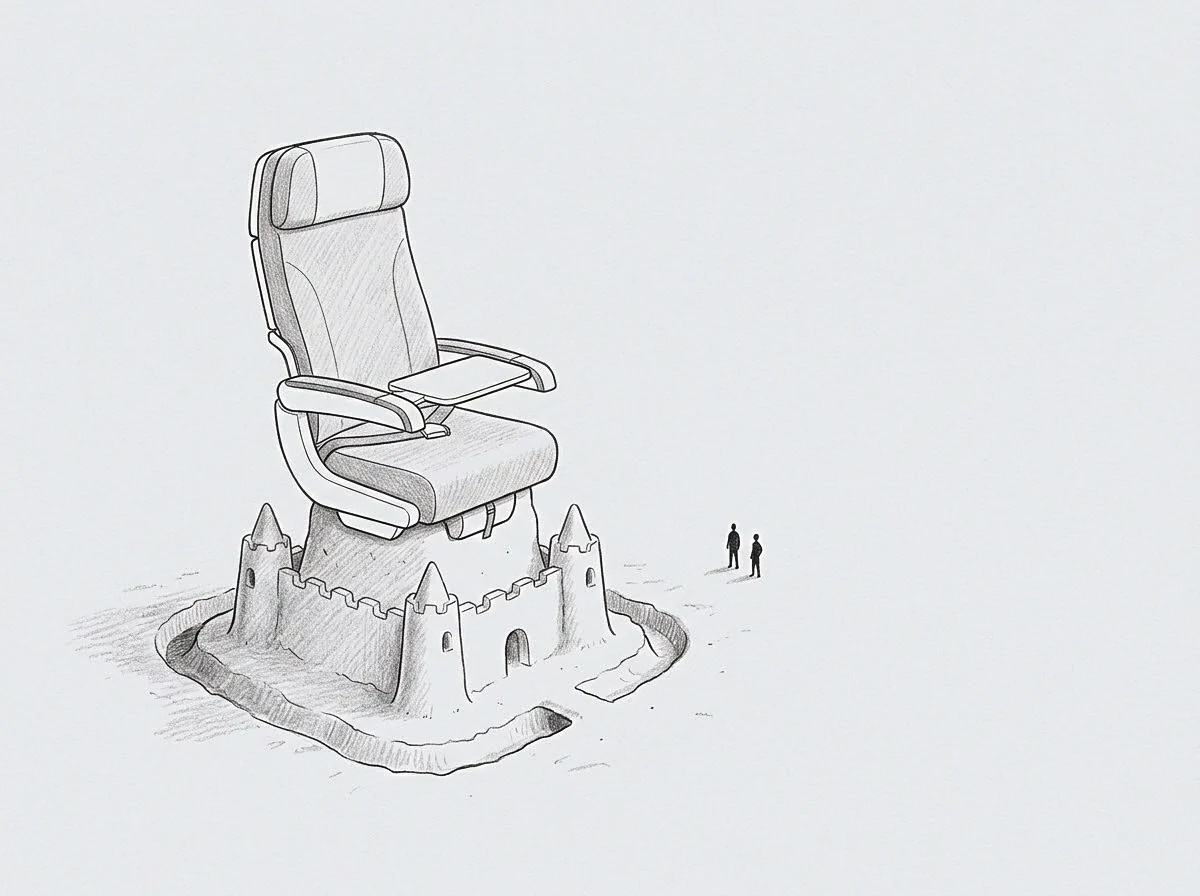
Scaffold
A departing officer can leave a physical desk clear while thirty critical operational channels remain tied to personal verification tokens, private email threads, and verbal authorizations. Operational continuity breaks when an executive steps out of an active role without converting informal administrative custody into documented, auditable protocols. Executive transition requires a structured separation between personal judgment and organizational routine, as unplanned exits expose the enterprise to operational paralysis, knowledge loss, and regulatory vulnerability.
Senior executive handover begins by mapping every operational dependency directly connected to the seat. The outgoing officer holds direct signing powers, regulatory accountabilities, line-management escalations, and informal counterparty relationships. Transferring these responsibilities requires an explicit inventory of authorizations, active commercial negotiations, and performance oversight routines to prevent operational decay during the leadership change.
Organizations often rely on overlapping tenures where outgoing and incoming officers share management space, but dual command creates operational ambiguity for staff and external counterparties. Team members route difficult choices back to the departing executive, delaying the successor from assuming genuine operational control. Staged operational transfer avoids this through distinct phases of observation, supervised execution, and full authority handover.
A handover protocol succeeds when every operational decision can proceed without reference to the previous seat holder.
The operational inventory covers four distinct categories of executive custody:
- Statutory delegations transfer official corporate board appointments, regulatory filings, banking mandates, and legal power of attorney assignments through formal legal instruments.
- Vendor and partner treaties document unwritten pricing understandings, active renegotiation terms, and escalation channels with strategic commercial counterparties.
- Operational cadence maps define standing governance rhythms, executive committee schedules, performance dashboards, and resource allocation routines.
- Key talent assessments record objective competency evaluations, retention risks, compensation trajectory agreements, and succession readiness profiles for critical line managers.
Skipping this structural inventory forces the successor to reconstruct corporate history while managing live operational crises, leading directly to commercial delays and executive burnout.
Vault
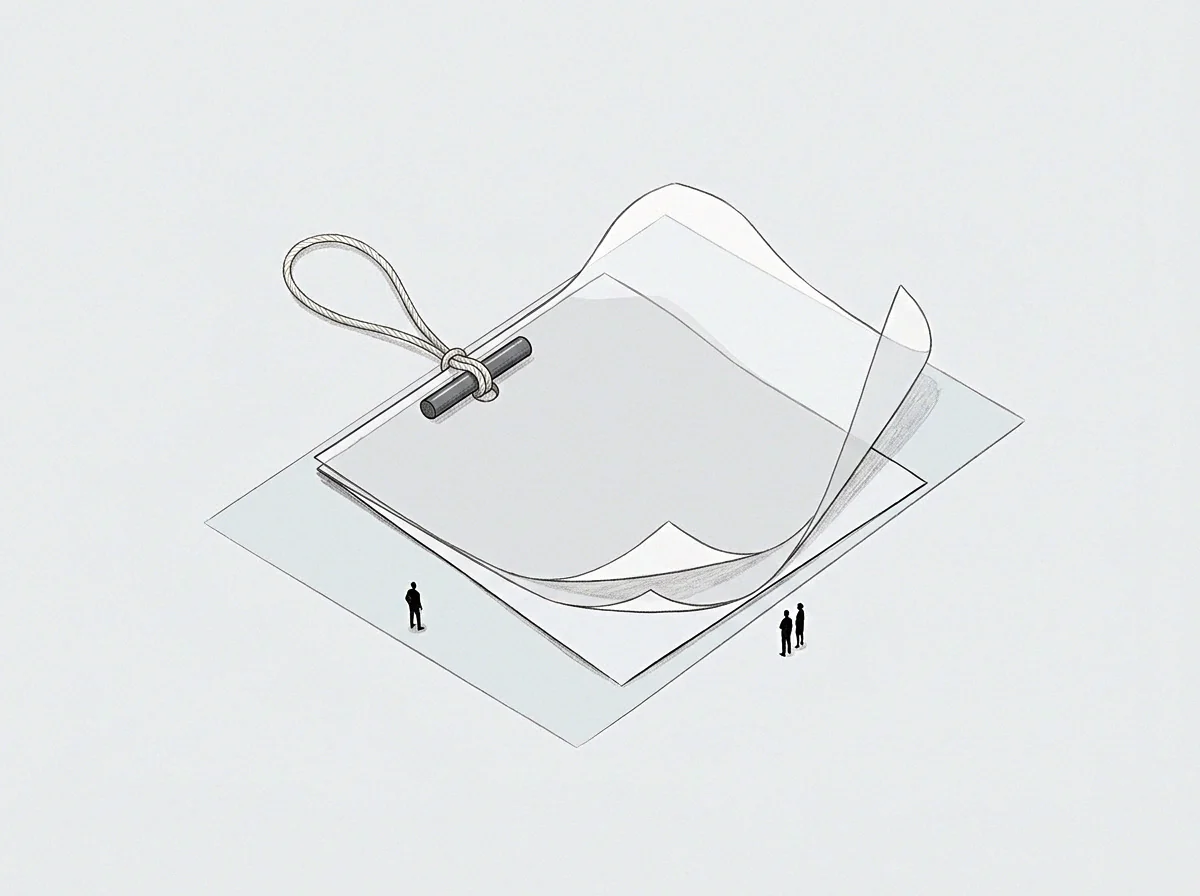
Knowledge codification separates explicit operating procedures from tacit executive judgment. Explicit knowledge, including standard operating procedures, contract repositories, budget models, and compliance schedules, transfers through data vaults and documented repositories. Tacit operational knowledge resides in executive intuition, pattern recognition, and unrecorded compromises accumulated over years of leadership.
Codification Limits and Heuristic Transfer
Tacit operational insight resists standard documentation templates. Outgoing executives make complex commercial calls using internalized heuristics developed under specific market conditions. Writing down every contingency produces vast, unread manuals that fail during live operational strain.
Structured debriefing interviews and decision-logging exercises capture the underlying logic of recurring executive choices.
Transferring tacit operational heuristics proceeds through paired case analysis. Over several structured working sessions, the successor and outgoing executive review recent operational crises, dissecting the trade-offs considered, alternative pathways rejected, and internal stakeholders consulted. This process surfaces unwritten institutional history without burdening the incoming leader with obsolete procedural text.
Tacit knowledge moves through shared live analysis rather than static reference manuals.
Executive handover protocols document the rationale behind historic concessions to key clients, labor negotiations, and internal governance compromises. Access credentials, data rights, and administrative ownership of critical enterprise systems must migrate completely to corporate-controlled accounts. The operational record remains stable when knowledge capture focuses exclusively on durable decision models.
Documenting the rationale behind executive exceptions matters more than recording standard rules, because standard rules enforce themselves while exceptions require institutional context.

Cadence
A disciplined operational transition follows an exact calendar sequence with clear milestone boundaries. Transition timelines spanning sixty to ninety days offer a balance between thorough operational transfer and the risks of transitional drag. Extending the departure window indefinitely degrades team clarity, dilutes operational accountability, and creates unnecessary friction between old and new leadership.

Structured Transition Phases
The handover progresses through four successive operational phases: Audit, Shadow, Command, and Exit. Each phase reallocates decision rights between the outgoing officer and the incoming executive.
| Phase | Duration | Outgoing Executive Role | Successor Executive Role | Primary Governance Milestone |
|---|---|---|---|---|
| Phase 1: Audit | Weeks 1 to 3 | Primary decision maker; catalogs dependencies | Active observer; reviews operational inventory | Signed operational inventory and account transfer roadmap |
| Phase 2: Shadow | Weeks 4 to 6 | Advising decision maker; provides heuristic context | Co-pilot; leads operational meetings | Migration of key commercial and regulatory stakeholder channels |
| Phase 3: Command | Weeks 7 to 9 | Silent observer; available for escalation | Primary decision maker; exercises complete signature rights | Full formal transfer of statutory and banking authority |
| Phase 4: Exit | Weeks 10 to 12 | External on-call advisor for designated emergencies | Autonomous operator; recalibrates operational cadence | Final corporate release and administrative detachment |
Adhering strictly to these operational phases prevents the common failure mode where an outgoing executive attempts to direct operations until the final day. Shifting the primary decision-making seat by week seven creates a controlled window to stress-test the successor’s operational grip while the predecessor remains on site to assist with unexpected complications.
True authority transfers the moment the successor owns operational outcomes without predecessor approval.
The organization directs teams to bring every operational decision to the new desk starting Monday morning.

Shelf
A systematic transition protocol mandates the review and decommissioning of redundant executive tools, undocumented side agreements, and informal delegation paths. Over long tenures, senior business executives establish ad-hoc operational instruments, informal committees, and specialized reporting lines that bypass formal enterprise architecture. These informal tools become liabilities once the architect departs.

Decommissioning Informal Operating Channels
The incoming executive and corporate audit team must conduct an administrative purge of undocumented reporting lines. Custom financial spreadsheets, off-system project tracking boards, and personal communication channels must be either integrated into standard enterprise systems or formally closed. Leaving these mechanisms active creates shadow governance structures that undermine the new executive’s authority.
The operational protocol enforces a clean administrative break:
- System access reconciliation terminates personal administrative logins, revokes third-party software credentials, and transfers primary account management to verified corporate security administrators.
- Informal committee closure dissolves ad-hoc steering groups, working parties, and off-record advisory councils that lack formal board or executive committee mandates.
- Document archival stores historic operational logs, executive correspondence, and past negotiation notes in encrypted corporate vaults with defined retention periods.
The organization must decide whether historical off-record arrangements with key commercial counterparties should be ratified under standard operating frameworks or formally renegotiated upon executive departure.
Discharge
The final operational milestone establishes legal, structural, and operational detachment between the enterprise and the exiting executive. Complete discharge terminates operational responsibility and formally transitions the relationship to clean corporate governance parameters. Vague departures lead to post-exit operational intrusion, lingering liabilities, and reputational exposures for both parties.

Formal Executive Detachment Protocols
Final exit demands comprehensive documentation signed by corporate governance officers, legal counsel, and the departing executive. This paperwork certifies that all corporate assets, intellectual property, operational records, and physical equipment have been returned and verified. It formally releases the executive from ongoing administrative liability while securing standard non-disclosure, non-solicitation, and non-disparagement obligations.
Post-exit communication protocols must be established in writing prior to the final departure day. The enterprise defines official external and internal messaging, designating specific spokespersons for all market inquiries. Clear communication limits prevent rumors, protect share value, and give the incoming executive a clean foundation to direct corporate operations.
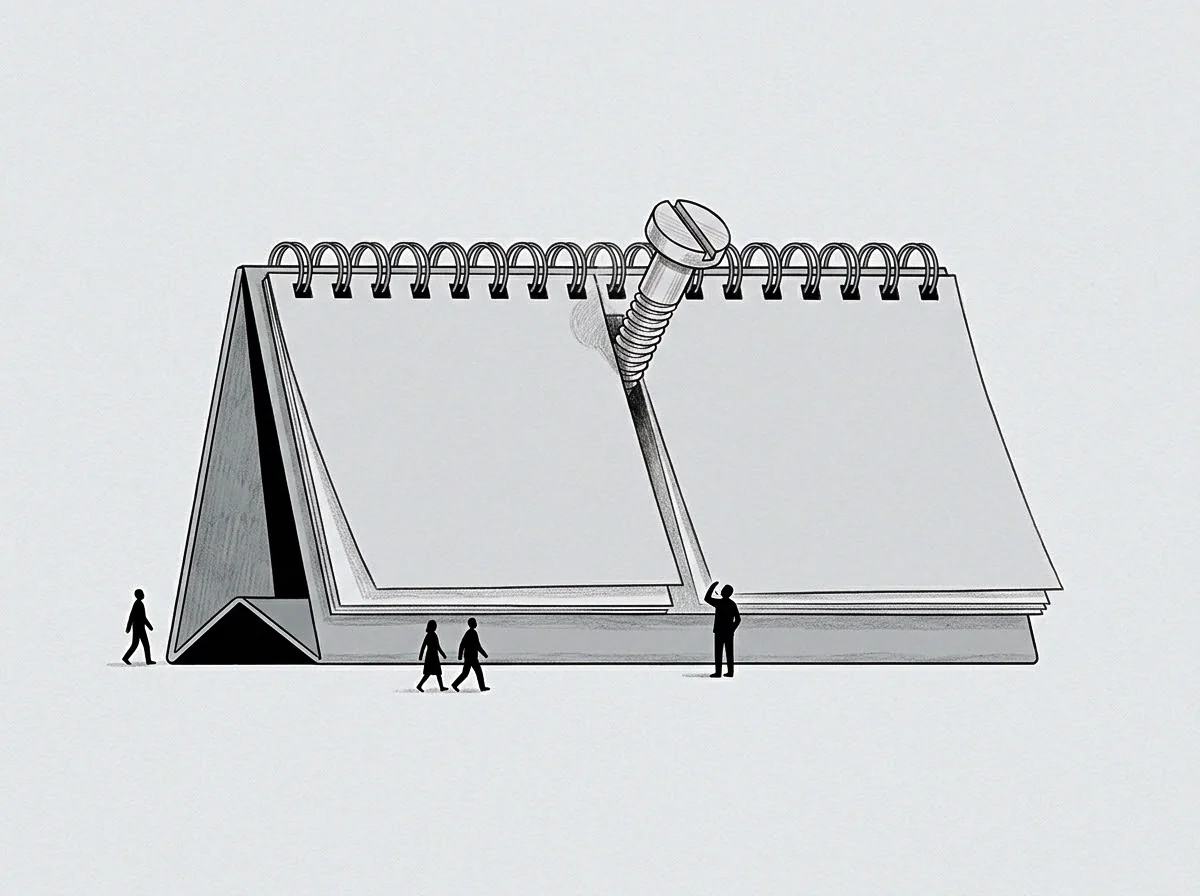
A successful exit concludes with an empty calendar and zero operational check-ins.
The formal separation agreement stipulates that consulting agreements remain limited in time and scope, compensating the former executive exclusively for board-requested strategic historical context while prohibiting involvement in routine operational management.