Meaning
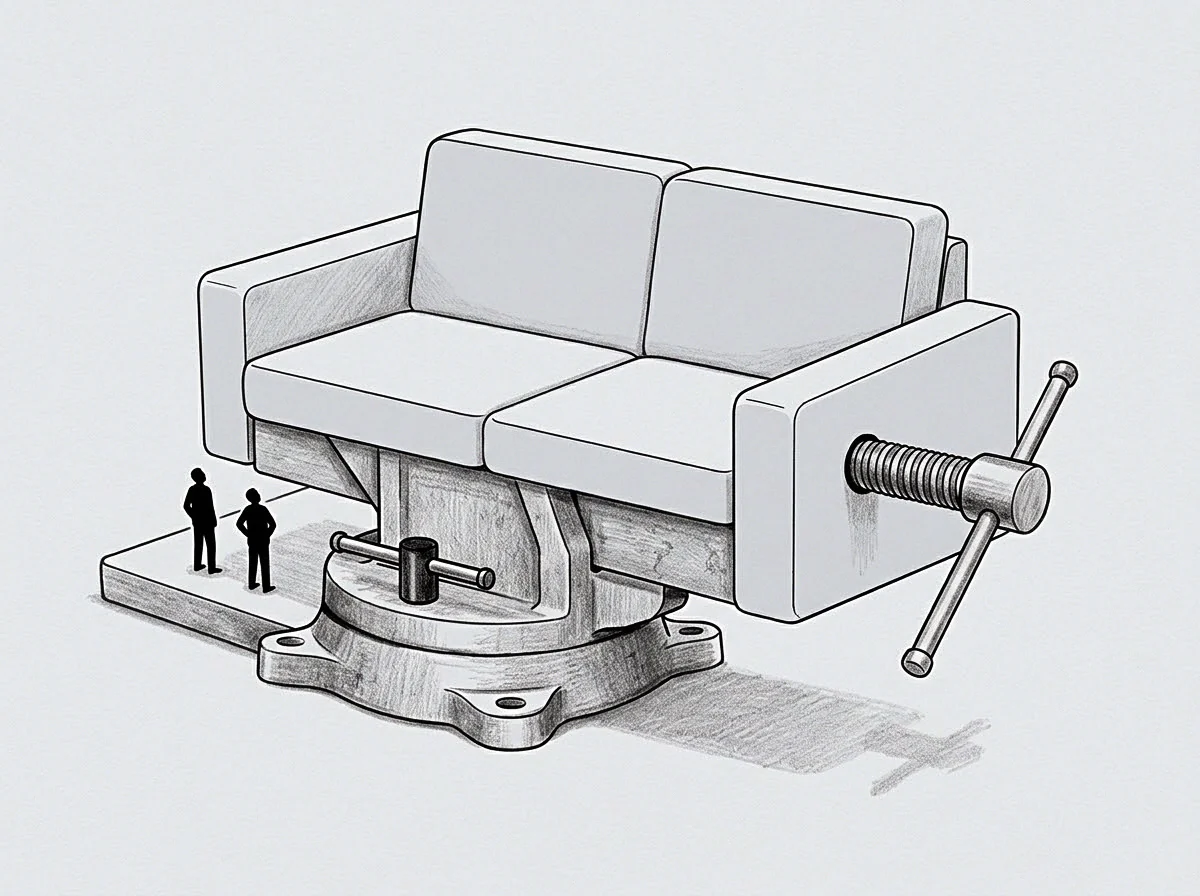
A governance mechanism that allows a senior corporate officer to bypass standard operational procedures or board subcommittees to make a unilateral decision. During an urgent operational crisis, an executive override permits the chief executive to act swiftly without waiting for committee approval. This mechanism ceases to apply once the immediate threat to the organization has passed, reverting all decision-making authority back to the established committee structures and corporate guidelines.
Command Velocity
Swift decision-making is possible during severe emergencies because the normal bureaucratic steps are bypassed. This option allows the company to protect its assets from immediate loss or respond to rapid competitor actions. It should be used sparingly to avoid eroding trust within the leadership team.
Accountability Cost
Unilateral decisions can create tension between the chief executive and the board of directors. The board must review every such action to ensure it was necessary and did not expose the firm to unnecessary financial risks. This review process consumes valuable hours for both directors and executive staff.
Strategic Limit
Regular operations are compromised if unilateral choices become the standard way of doing business. Subordinates may feel disempowered, and the quality of strategic analysis could decline without committee review. The boundary must be strictly maintained to ensure long-term corporate health.