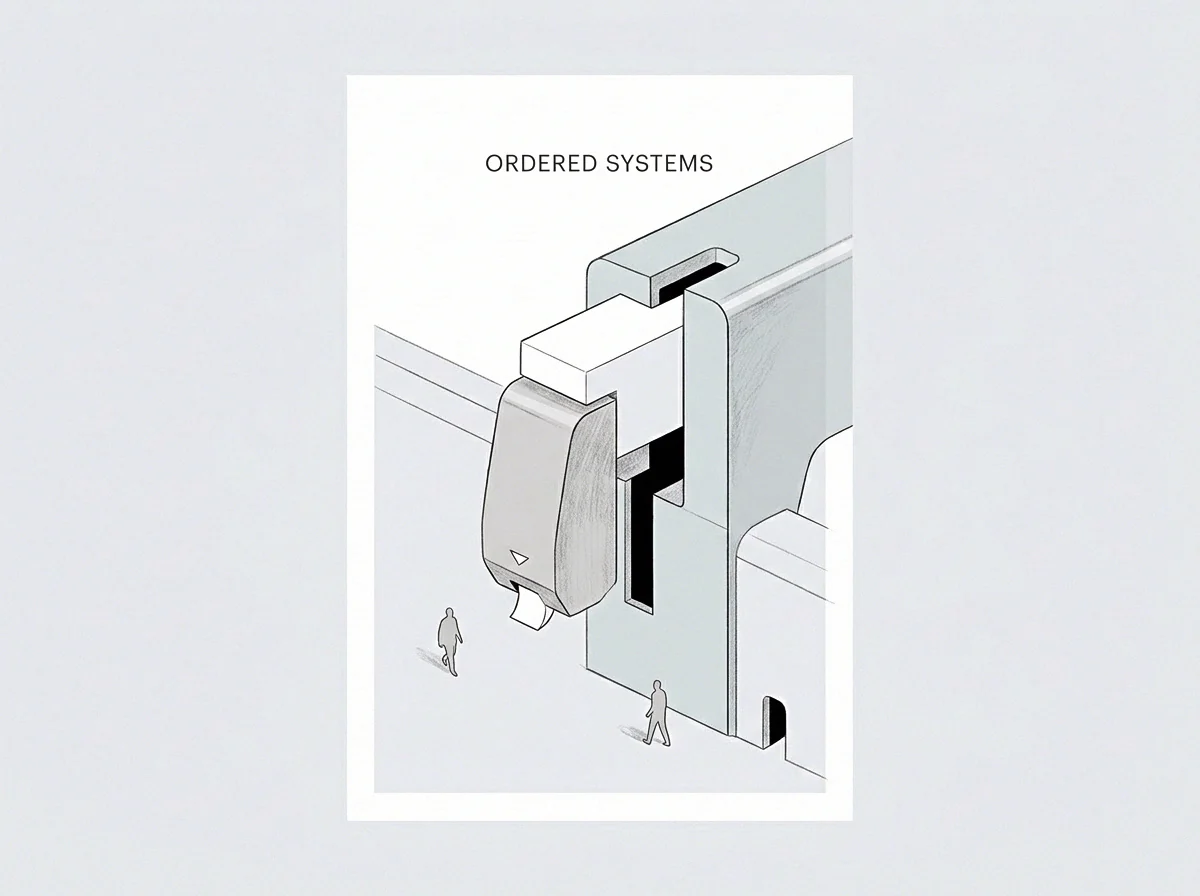
Meaning
Completion of defined strategic objectives and operational obligations serves as the primary mechanism for stepping down from executive seats. By framing finishing as exit, an executive links their departure to the delivery of auditable business milestones, such as product deployment, corporate restructuring or operational handover. The discipline governs deliberate transition pacing across executive departures.
It ceases to apply when sudden medical incapacitation, regulatory removal or shareholder disputes trigger immediate leadership termination.
Scope Demarcation
Objective deliverables define the concluding phase of an executive tenure. Applying finishing as exit requires clear documentation of remaining fiduciary duties, contract transfers and leadership onboarding tasks before a founder steps down. The method avoids abrupt operational fractures by providing measurable exit criteria for all parties.
Completion Protocol
Departure schedules follow the operational calendar rather than arbitrary calendar dates. Executives bind their resignation to the realization of audited accounts, enterprise software installations or successor performance benchmarks. This alignment ensures the organization retains institutional stability throughout the leadership change.
Residual Obligation
Clear finality eliminates ongoing operational claims on a departing founder time. Once all agreed milestones pass formal board inspection, the former executive surrenders operational compensation and administrative access without outstanding performance disputes. The deliberate closure prevents successor leaders from attributing subsequent commercial failures to unfinished legacy initiatives.
Completing defined operational obligations establishes a clean boundary between historical leadership and ongoing governance.