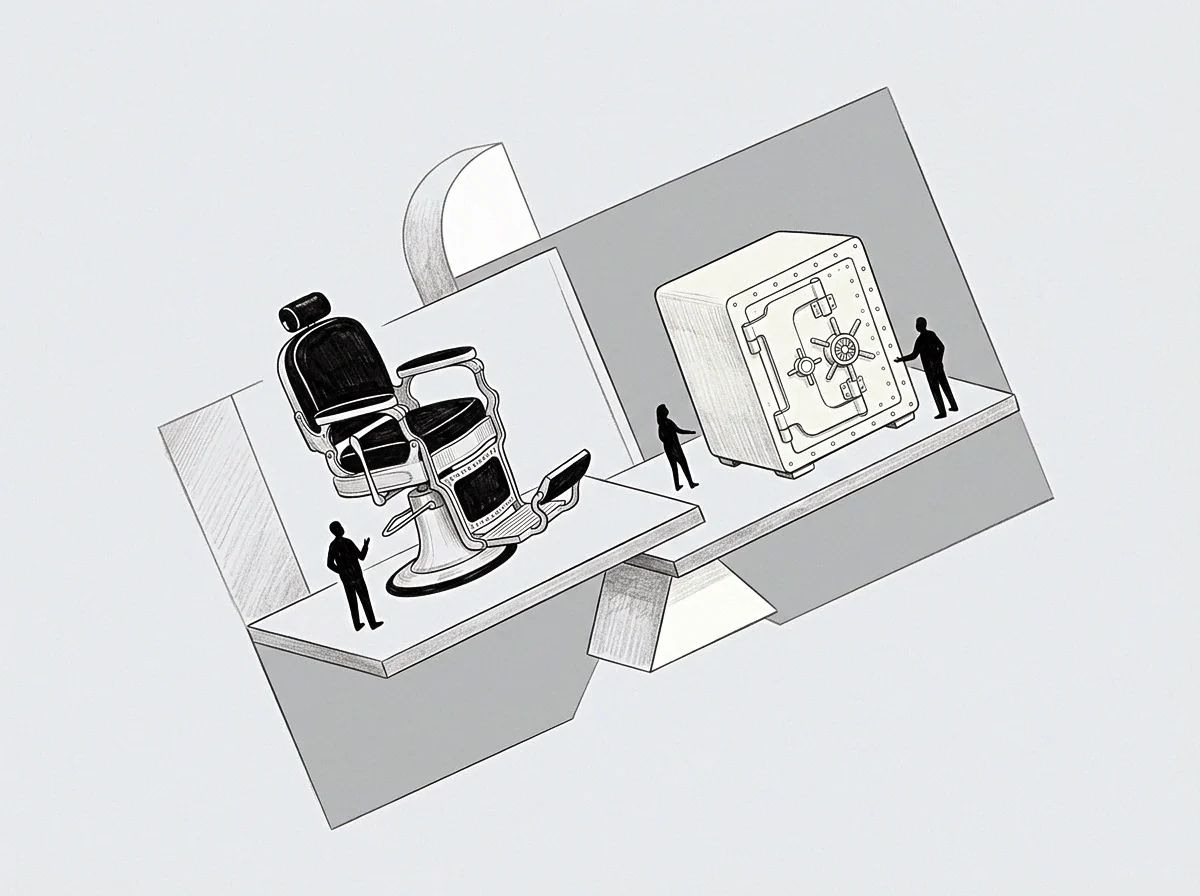
Meaning
Debt obligation created when the person who started the company provides personal capital to the business for operational expenses. A founder loan is often used to bridge the gap between funding rounds or to cover emergency cash flow needs. The relationship ends upon full repayment or the conversion of the debt into equity.
Credit Exposure
Personal wealth is directly tied to the survival of the entity through this instrument. The founder loan represents a shift where the individual contributes capital in addition to their time. This increases the psychological load on the person because the company’s failure leads to a personal financial loss.
Unlike equity holders who only lose potential gains, the lender loses existing cash. This dynamic requires the individual to manage the company toward a cash-positive state just to recover their own savings from the business treasury.
Repayment Terms
Interest rates and maturity dates are specified to ensure the debt is treated as a legitimate business transaction. If the company enters a liquidation process, the founder loan might sit behind other bank debt but ahead of the equity holders. This position provides some protection, though the availability of cash to pay the debt is never guaranteed.
Capital Infusion
Liquidity for the company improves immediately when the funds are transferred from the personal account. The founder loan allows for continued operations without the immediate dilution that comes from selling more shares. This choice trades personal liquidity for company runway and places the cost of survival squarely on the individual.