
Structural Mechanics Of Unsanctioned Legacy Shadow Governance In Founder Exit Sequence Transition Windows
Unsanctioned shadow governance emerges when departing leaders retain operational access, enabling informal backchannels that subvert successor executive control.
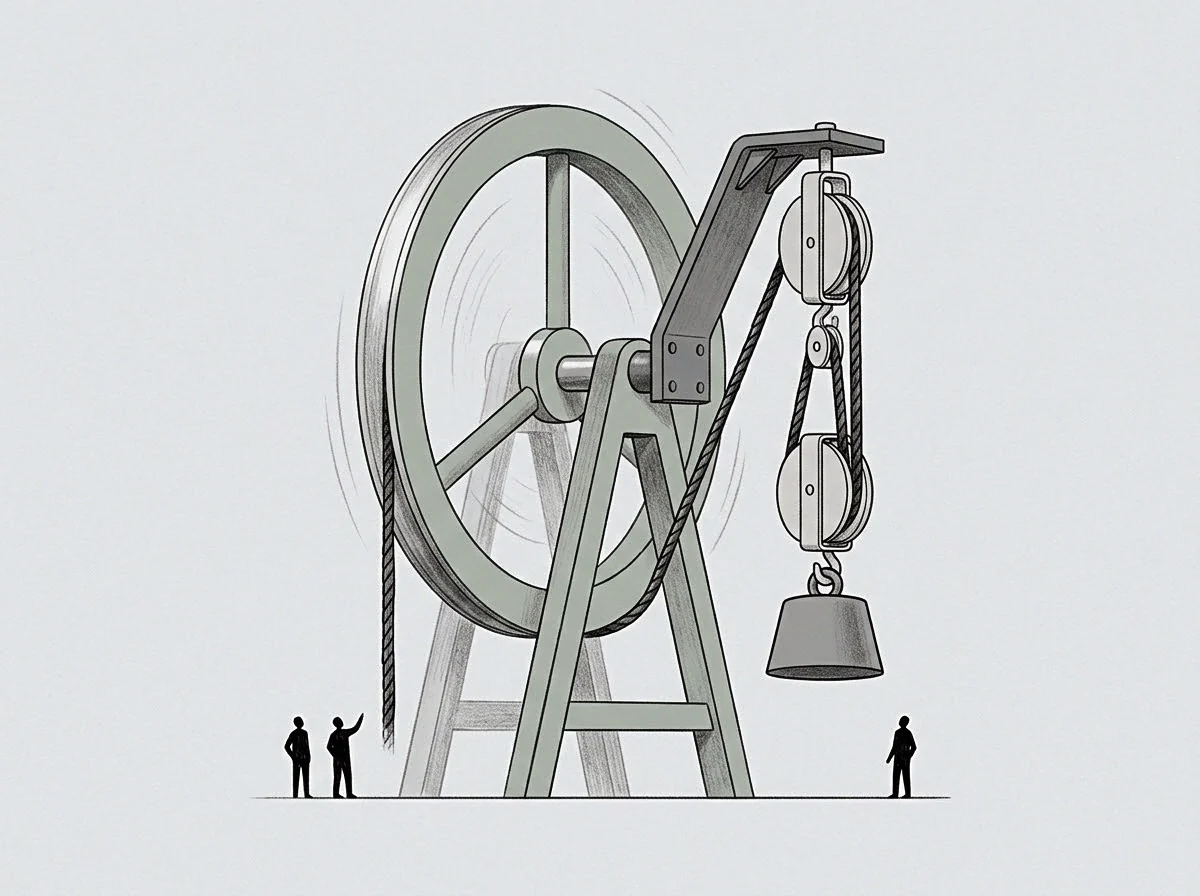
Drift
Informal authority lingers inside operational routines long after legal documents transfer formal executive power. Departing founders leave habits embedded in informal reporting lines, technical escalations, and unwritten sign-offs. Incoming leadership assumes nominal control through registered corporate filings and explicit delegations, yet staff continue routing difficult ambiguities back to the prior officeholder.
Structural inertia preserves these parallel governance channels whenever functional dependencies remain undocumented and unassigned during the handover.
Transition windows create systematic administrative ambiguity. The departing executive steps away from statutory appointments while retaining direct communication access to core engineering personnel, legacy commercial accounts, and managers accustomed to their dispute arbitration. Unsanctioned steering emerges from this vacuum.
Subordinates seek verification from familiar figures to reduce personal exposure, setting up a dual operational apparatus that siphons legitimacy from the formal successor.
Legacy permissions outlive formal resignations whenever tacit arbitration routes remain active inside operational units.
Role confusion compounds quickly. The incoming operator manages executive calendars, signs regulatory documents, and conducts board presentations, while daily operations bend around offline advisory exchanges. The legacy participant offers casual opinions that subordinates interpret as authoritative commands.
This dynamic transforms nominal advisory arrangements into operational interference without requiring deliberate intent from either party.

Informal Authority Retention Across Succession Phases
The persistence of unchartered influence follows observable developmental markers across corporate handovers. During early transition weeks, legacy steering looks like routine orientation. The former leader answers technical queries, clarifies past contractual intent, and sits quietly in operational reviews.
Operational staff interpret continued executive presence as implicit co-management, directing sensitive escalations past the designated successor to secure historical approvals.
Staff habit hardens rapidly. The successor establishes formal directives, but operational execution stalls until team leads cross-reference new priorities against legacy preferences. This secondary verification step introduces operational friction, increases cycle times on tactical decisions, and signals that positional authority remains conditional.
Left uncorrected early in the succession sequence, this informal clearance structure settles into permanent parallel control.
Unchecked parallel governance fractures operational lines of accountability, leaving staff torn between statutory executive commands and historical loyalty.

Desk
Physical remnants of tenure anchor informal governance long after corporate titles dissolve. Workspace occupation, persistent administrative access, and unrevoked digital permissions act as functional beacons for organizational backchannels. A former chief executive maintaining an office suite down the hall or retaining administrator rights on communications platforms signals unresolved possession to the broader enterprise.
Physical proximity breeds operational distortion. Staff members notice whose calendar appears accessible, whose signature remains on legacy merchant facilities, and who continues using executive dining rooms. Physical assets carry considerable symbolic weight during succession sequences.
When an outgoing executive retains physical hardware, executive assistants, or keycard clearances, employees deduce that ultimate authority has not migrated across the organizational chart.
Revoking operational credentials creates an unambiguous boundary that clarifies formal command hierarchies.
Digital environments exhibit identical mechanical capture. Access credentials to proprietary repositories, private communications groups, and privileged software infrastructure grant outgoing leaders unmonitored view over ongoing organizational changes. Legacy leaders view internal developments and insert unsolicited counsel before new management presents structured proposals.
The table beneath evaluates how operational control divides across statutory and backchannel pathways during unstable transition intervals.
| Operational Vector | Statutory Executive Mandate | Informal Legacy Clearance | Structural Consequence |
|---|---|---|---|
| Resource Allocation | Formal capital expenditure authorization | Informal promises of supplemental headcount | Budgetary fragmentation across business units |
| Personnel Evaluation | Structured performance management systems | Private historical alliances with senior staff | Subversion of managerial accountability |
| Technical Strategy | Documented product architecture roadmap | Verbal vetoes on architectural refactoring | Paralysis of technical modernization cycles |
| Strategic Communication | Authorized corporate disclosure policies | Direct off-channel dialogues with major owners | Information asymmetry within executive ranks |

Physical and Digital Boundary Dissolution
Clearing operational artifacts demands deliberate administrative hygiene. Successor teams frequently avoid revoking hardware or software access to prevent interpersonal friction, yet this hesitance directly fuels shadow oversight. Departing principals interpret access retention as an open invitation to participate in routine enterprise operations.
The resulting operational confusion ripples outward. Middle managers receive contradictory signals concerning strategic priorities and hedge their commitments. Initiatives endorsed by formal leadership stall while informal inquiries receive urgent prioritization.
Direct executive authority diminishes each time an operational decision requires unofficial legacy clearance.
Decisions handed down by the new officeholder lack practical legitimacy as long as the prior leader sits two doors away reviewing identical operational reports.

Bypass
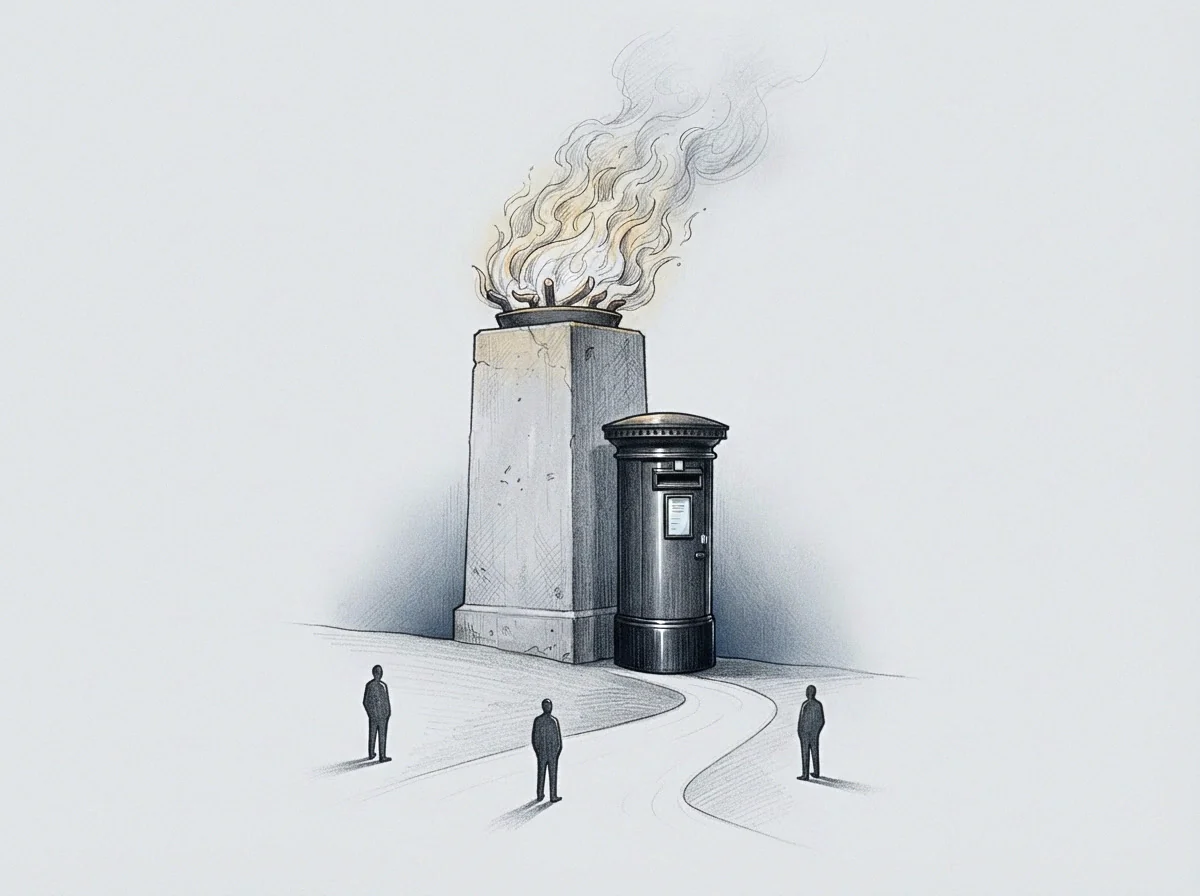
Subordinates bypass official managerial lines when historical loyalties offer greater psychological security than unfamiliar executive leadership. This dynamic operates through well-defined escalation habits built over years of early-stage problem solving. When novel challenges arise, department heads intuitively seek validation from the individual who originally established operational processes rather than adapting to incoming leadership expectations.
Backchannel communication thrives on enterprise messaging tools, phone calls, and private dinners. In these exchanges, legacy officeholders comment on organizational design, evaluate current executive performance, and express misgivings concerning structural reorganizations. Operational subordinates draw on these private evaluations to resist internal reforms, citing legacy philosophies as justification for non-compliance with statutory directives.
Unsanctioned backchannels drain organizational velocity by subjecting formal executive directives to unofficial retrospective review.
The administrative costs escalate quietly. Successors spend cognitive attention fighting resistance across functional units. Tactical roadmaps face unexplained delays as project leads discreetly seek confirmation from the former leader before releasing project milestones.
Succession stability deteriorates as decision-making fractures into competitive camps.
Mechanisms of Backchannel Escalation
Circumvention follows distinct structural pathways that systematically isolate incoming operators from core organizational functions:
- Direct escalation loops permit legacy personnel to route operational grievances straight to the outgoing officeholder, avoiding established internal escalation hierarchies.
- Informal advisory sessions function as unauthorized policy formulation bodies, producing operational decisions that bypass formal executive committee review.
- Legacy veto structures allow tenured managers to halt strategic initiatives by citing unwritten historical philosophies endorsed by previous management.
- Confidential equity discussions create hidden communication conduits with primary shareholders, destabilizing board consensus regarding successor autonomy.
Structural circumvention distorts organizational reporting across every level of management. Departmental leaders calibrate performance metrics against historic benchmarks favored by the former officeholder, rejecting updated operational standards. Successor executives find themselves managing formal governance structures while real operational arbitration transpires beyond their field of vision.
Whether statutory leadership can regain operational legitimacy without complete structural severance from legacy personalities remains an open inquiry.
Split
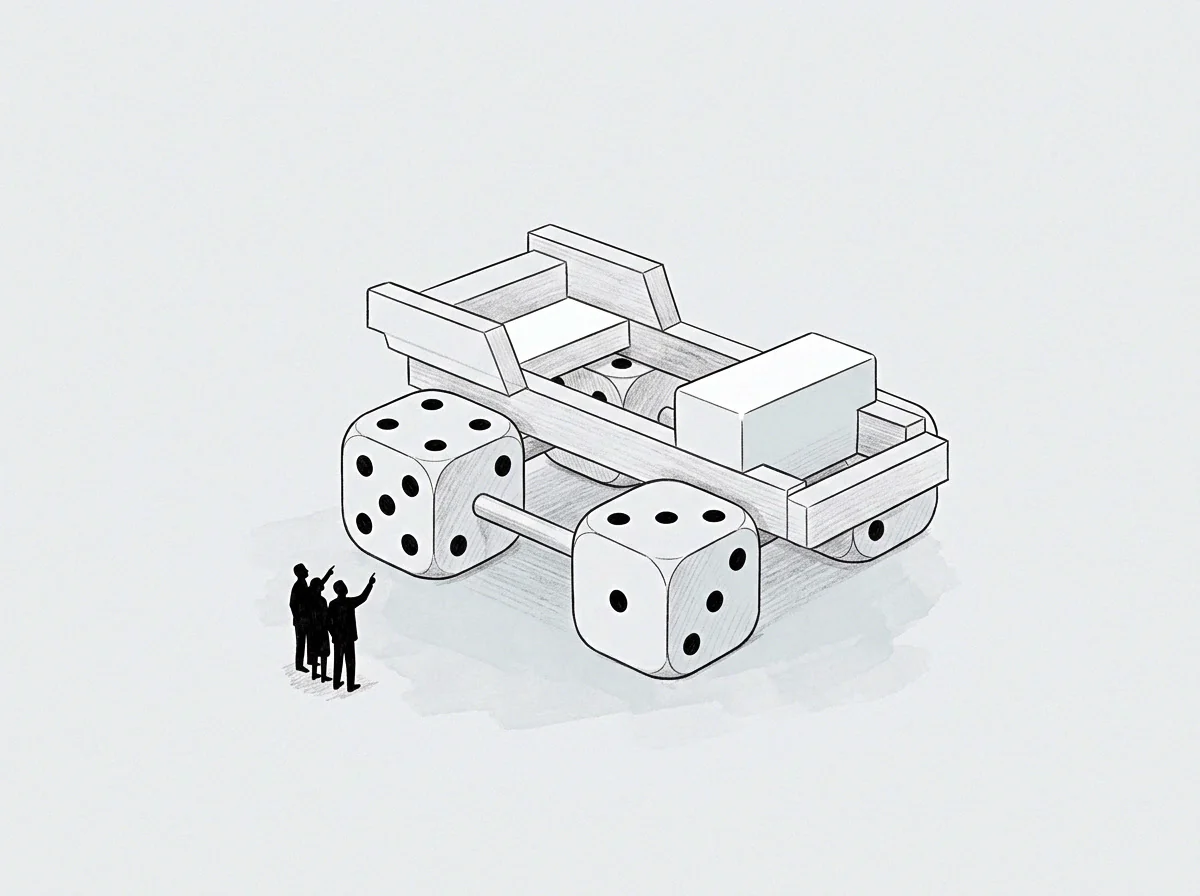
Governance divergence manifests clearly when the enterprise faces acute operational stress or strategic disagreement. During periods of market contraction, client losses, or technical debt crises, the fiction of collaborative transition collapses. The outgoing leader re-enters operational management, asserting historical prerogatives to steer the organization through immediate disruption.
This intervention undercuts successor authority and exposes deep governance fractures to external partners.
Operational teams experience acute allegiance strain under divided leadership. One faction aligns with the appointed executive, prioritizing modernization, formal documentation, and standardized operational cadences. An opposing faction remains devoted to legacy command styles, favoring intuitive decisions, historical exceptions, and direct personal loyalty.
Operational capacity erodes as functional units expend energy navigating internal alignments rather than executing strategic roadmaps.
Institutional knowledge transfer freezes entirely during governance splits. When parallel leadership structures emerge, departing leaders withhold critical contextual knowledge to preserve personal indispensability. Codification efforts cease, documentation databases languish, and operational execution depends increasingly on informal legacy intervention.

Erosion of Successor Authority
Executive attrition rates rise sharply under sustained shadow governance. Capable successors resign when they discover positional accountability exists without genuine executive sovereignty. Board directors discover that commercial objectives miss projections because organizational energy drains into internal legitimacy disputes.
Succession planning fails when transition sequences rely on goodwill rather than strict structural boundaries. The absence of explicit contractual demarcations concerning advisory limits guarantees governance collisions. When advisory roles lack rigid temporal limits and functional scopes, they inevitably degrade into unsanctioned shadow executive positions.
Ambiguous advisory boundaries produce divided executive structures, whereas defined contractual finality protects institutional continuity.

Severance
Restoring single-threaded operational governance requires clear structural demarcation and uncompromising contractual enforcement. Enterprise stability during transition windows depends on absolute administrative separation between statutory leadership and outgoing executives. Advisory arrangements must carry rigid scopes, zero operational clearance, and strict communication protocols to prevent shadow governance from emerging.
Effective handover design establishes structural independence across all operational vectors. Outgoing executives relinquish enterprise communications logins, vacate corporate premises, and redirect all employee inquiries to designated successors. Board directors enforce these protocols by addressing backchannel communications and upholding formal management decisions without exception.
Clean administrative separation preserves institutional continuity by ensuring operational legitimacy rests solely within the active executive seat.
The succession sequence concludes only when unchartered legacy influence completely exits organizational decision loops. Operational maturity demands that policies, architectures, and strategies withstand independent execution without recourse to original creators. By severing informal control conduits, organizations give incoming leaders space to establish necessary administrative structures, align internal teams, and drive the enterprise toward sustainable autonomy.
A formal advisory covenant terminating all informal employee contact on a fixed calendar date changes nominal succession into operational independence.