Meaning
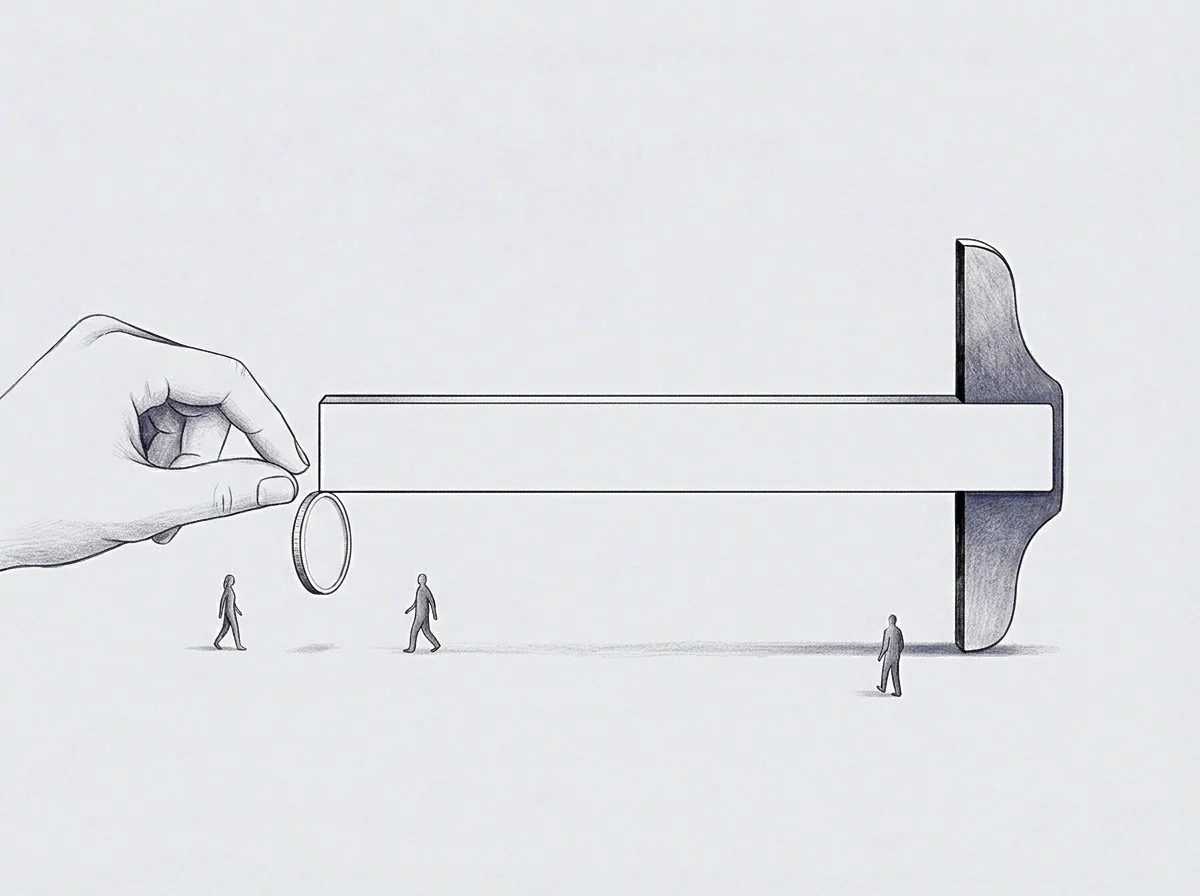
Bespoke operational processes designed by a company’s early builder reflect highly personalized habits and informal lines of communication rather than standardized business practices. These founder systems carry the company through its initial survival phase. They rely on direct access to the creator and verbal instructions instead of written rules.
As the business grows, these custom workflows begin to break under the weight of more staff.
Inherited Friction
New executives who enter a growing company often find it difficult to navigate unwritten rules and informal approvals. The persistence of founder systems makes it hard for these hires to achieve their targets. This friction drives away experienced managers who expect structured environments.
Scale Limitation
Scalability requires predictable, repeatable methods that run without the personal intervention of the creator. Because founder systems are built around a single person’s capacity, they impose a firm ceiling on corporate growth. When transaction volumes double, the creator’s inbox becomes a permanent block to progress.
This restriction means the company cannot expand until its processes are fully decoupled from its designer.
Structural Integration
Transitioning to professional management requires replacing these idiosyncratic habits with institutional structures. Phasing out founder systems involves mapping each undocumented workflow and converting it into a standard operational manual. This activity transfers the company’s knowledge from a single mind into shared assets.
It allows the creator to step back while ensuring the business continues to execute with high quality. Once these documents are in place, the organization can onboard staff without relying on the creator’s memory.