Meaning
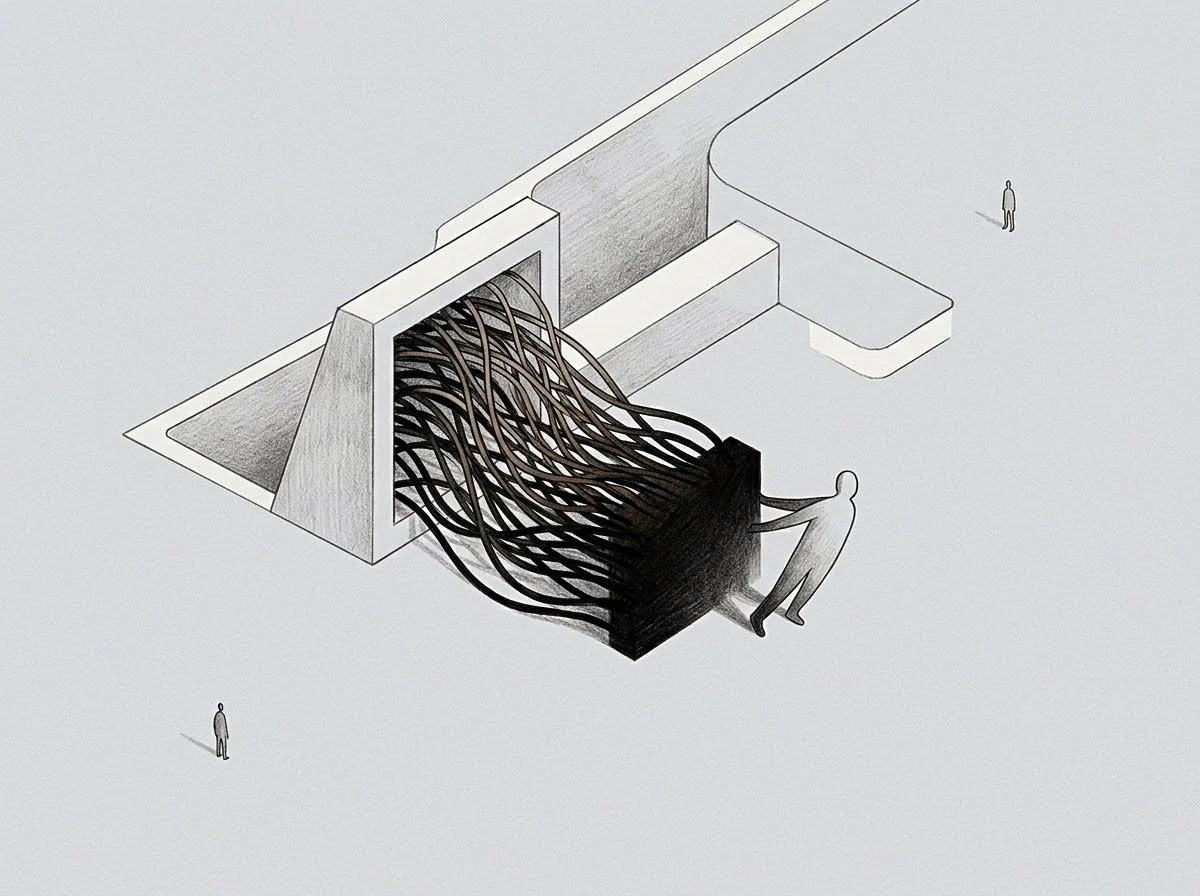
Organizational phenomena occur when oversight protocols and reporting duties gradually multiply beyond their initial scope. The phenomenon of governance creep is often a reaction to a past mistake or a demand for transparency and accountability from new investors. It stays in place long after the original reason for the new rule has been forgotten.
Oversight Expansion
Reporting requirements grow as more committees are formed to oversee specific risks. Each new rule in a cycle of governance creep adds a layer of preparation for the management team. This results in a founder spending more time preparing for board meetings than talking to customers.
Report Proliferation
Roles within the company start to change when the process becomes more important than the outcome. A founder who once focused on innovation or strategy might find themselves acting as a compliance officer for their own company. The cost to the person is a loss of creative energy and a feeling of being trapped by the structures they helped create.
This distortion can lead to a decrease in the overall speed of the company as every department becomes more cautious.
Systemic Rigidity
Rigidity becomes the norm as the organization prioritizes safety and documentation over risk taking. While some oversight is necessary, governance creep can turn a nimble startup into a slow moving bureaucracy. Reducing this complexity requires a deliberate effort to trim away redundant reporting lines.