
Evaluating Governance Friction and Equity Voting Limits in Post-Founder Executive Transitions
Post-founder governance friction resolves by coupling executive resignation with automated conversion of supervoting stock into common single-vote equity.
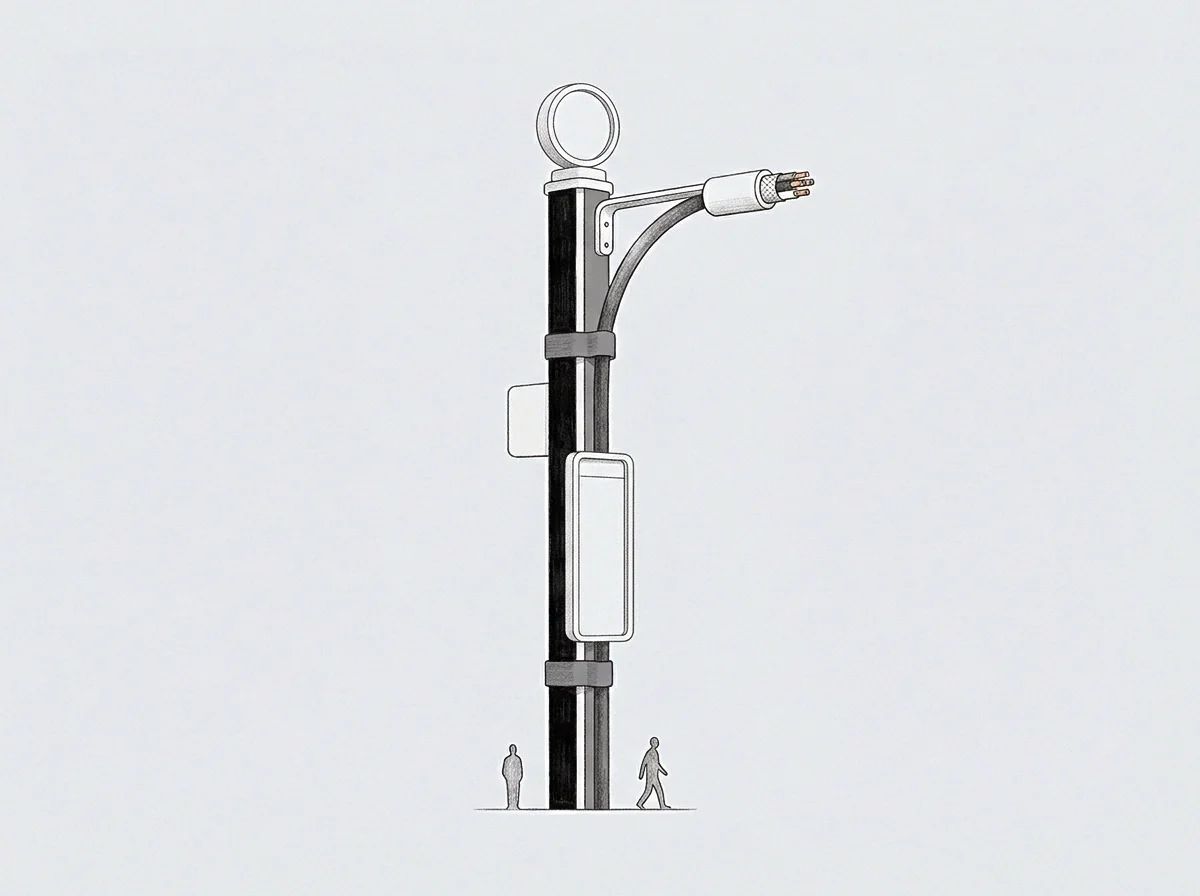
Room
An outgoing chief executive retains supervoting shares after naming an external successor. Ten months into the operational handover, two distinct centers of authority clash over capital allocations during a routine quarterly review. The hired operator signs vendor agreements, runs the hiring pipeline, and directs daily operations.
On the capitalization table, class B shares still carry ten votes each for the company founder, while class A common shares carry one vote per unit. When spending priorities diverge, the incoming executive finds title giving way to vote tallies.
Statutory authority in expanding firms splits along three lines. A chief executive holds the managerial seat under delegated officer authority granted by bylaws. Board members oversee management performance and vote on major corporate actions, while the controlling equity owner casts ballots on director slates and fundamental transactions.
Confusion follows when one person resigns as an officer while keeping absolute voting control through the common stock.
Under dual-class voting structures, operational authority evaporates the moment an unaligned equity holder controls a numerical majority of director elections.
Supervisory boards rarely contradict an owner who holds decisive voting power. New leadership tables operational expansions, yet formal resolutions stall until cleared privately in advance. Concentrated equity voting turns succession into a stalemate unless governance boundaries are documented before the handover begins.
Left unresolved, that leverage over weekly management slows operational response down through the ranks.
By five the office was quiet. The remaining partner closed the books while staff waited for instructions that never came. Equity documentation spelled out ownership rights without defining who held authority to approve annual department expenditures.
In practice, the hired executive ran operations freely only so long as no decision broke with past precedent.

Drift

Separation of Ownership from Direction
Over extended operating horizons, equity dispersion uncouples economic incentives from operational direction. As private firms scale toward mature capitalization, original sponsors often move into non-executive board chair roles. Friction starts when the former chief executive treats routine reporting as an opening to alter operating initiatives.
Weekly performance reviews turn into operating revisions, overriding personnel appointments made by the incoming officer.
The confusion filters downward fast. Vice presidents find themselves taking conflicting instructions from the executive chair and the active chief executive. Once department heads see that a single phone call from the primary owner can overturn priorities set by new management, executive credibility breaks down.
Internal teams begin circumventing formal reporting channels to seek informal sign-offs straight from the controlling shareholder.
- Informal channel bypass occurs when subordinate officers bypass formal corporate hierarchies to secure private approvals from large equity holders before scheduled management evaluations.
- Capital stagnation develops whenever planned equipment acquisitions halt because the controlling shareholder withholds informal consent despite unanimous committee approvals.
- Compensation misalignment surfaces when the supervisory board evaluates executive performance against targets that the majority shareholder unilaterally modified during mid-cycle operations.
A written shareholder agreement without automatic voting step-downs produces paralysis the moment operational priorities diverge.
Mandates this ambiguous cut tenures short. An incoming leader brought in to professionalize departmental operations leaves inside eighteen months once structural authority proves nominal rather than real. Executive search expenses multiply alongside severance outlays, and the organization absorbs repeated transition costs while operational leadership remains permanently subordinate to ownership sentiment.

Split

Comparative Voting Curtailment Structures
Corporate charters adopt specific provisions to recalibrate voting privileges as equity participants relinquish operational management roles. These clauses seek to prevent governance deadlocks while preserving underlying investment interests. Without structured voting caps, incoming executives work from an unstable position.
Enterprises implement several legal mechanisms to reconcile corporate control with management independence.
| Mechanism Type | Trigger Event | Voting Impact | Operational Autonomy |
|---|---|---|---|
| Time-Based Sunset | Fixed duration post-resignation | Collapses dual-class stock to single vote per share | Reaches parity upon scheduled expiration date |
| Divestment Threshold | Holdings drop below stated percentage | Eliminates board nomination rights across remaining shares | Preserves managerial mandate against minority owners |
| Operational Quarantine | Formal departure from employment | Restricts voting rights to extraordinary asset sales | Protects annual capital plans from unilateral revision |
| Voting Trust Agreement | Succession execution date | Transfers proxy voting to independent trustee slate | Shields incoming executive from private shareholder vetoes |
Corporate records show substantial variation in how transition agreements define board election power. Charter amendments commonly mandate a collapse of supervoting equity into standard one-vote shares upon an executive departure from day-to-day employment. Other capital structures retain high-vote equity classes until ownership percentages fall beneath twenty percent of outstanding capitalization.
Such retention clauses frequently leave an exiting operator with blocking minorities on ordinary shareholder approvals.
Unsettled voting alignments destabilize executive tenure. Outside board members face conflicting fiduciary obligations when evaluating company strategy against controlling shareholder demands. Independent directors risk removal at the subsequent shareholder meeting if their oversight actions alienate the dominant equity owner.
Legal disputes over corporate control arise precisely at the intersection of director fiduciary standards and concentrated shareholder prerogatives.
Supervoting stock held outside active management seats inevitably overrides professional oversight.
Governance functions cleanly only when voting weight mirrors daily operational responsibility rather than historical origination.

Clause

What Breaches Trigger Executive Vote Reductions?
Contractual stipulations define the precise boundaries where proprietary voting rights automatically compress into common governance terms. Corporate counsel inserts explicit default provisions into shareholder agreements to prevent governance paralysis following an executive retirement. Ambiguity in these terms invites litigation, leaving incoming officers unable to manage corporate balance sheets during volatile trading cycles.
- Employment termination defaults convert class B equity into single-vote class A units exactly ninety days after formal resignation from officer duties.
- Fiduciary interference clauses penalize private communication between non-executive share owners and operational staff concerning company business without prior committee authorization.
- Material competitor affiliation covenants immediately strip board nomination rights from any departing executive who accepts advisory fees from competing enterprises.
Drafting precise legal language prevents administrative disputes. Corporate documentation clarifies whether equity voting controls persist during advisory transitions, consulting tenures, or board chair assignments. Many enterprises mistakenly permit departed leaders to retain high-vote instruments by granting nominal advisory seats that lack clear duties or time boundaries.
This practice prolongs governance ambiguities and compromises operational leadership.
The capital accounts record the change. The transfer clause takes effect immediately upon executive retirement, converting all high-vote equity into standard one-vote common shares without requiring board approval or mutual release signatures.

Orbit
Balancing Stewardship and Autonomy
Succession arrangements often struggle to reconcile legitimate asset protection with the operational freedom modern executives require. Founders fear that external officers will dismantle core company values or pursue short-term incentives that compromise long-term solvency. Incoming leaders recognize that managing complex enterprises without absolute budget authority guarantees institutional underperformance.
Clear terms protect both the capital provider and the working officer.
An enterprise functions best when leadership boundaries remain explicit, measurable, and legally enforceable across all corporate seats. Wealth retention does not require managerial dominance. Retiring leaders protect investment value by granting operating leeway to successors while monitoring performance through quarterly audit committees rather than private shareholder vetoes.
The central unresolved problem remains how corporate agreements should allocate voting weight when an enterprise requires substantial founder involvement during unexpected financial crises without dismantling the successor’s independent management authority.