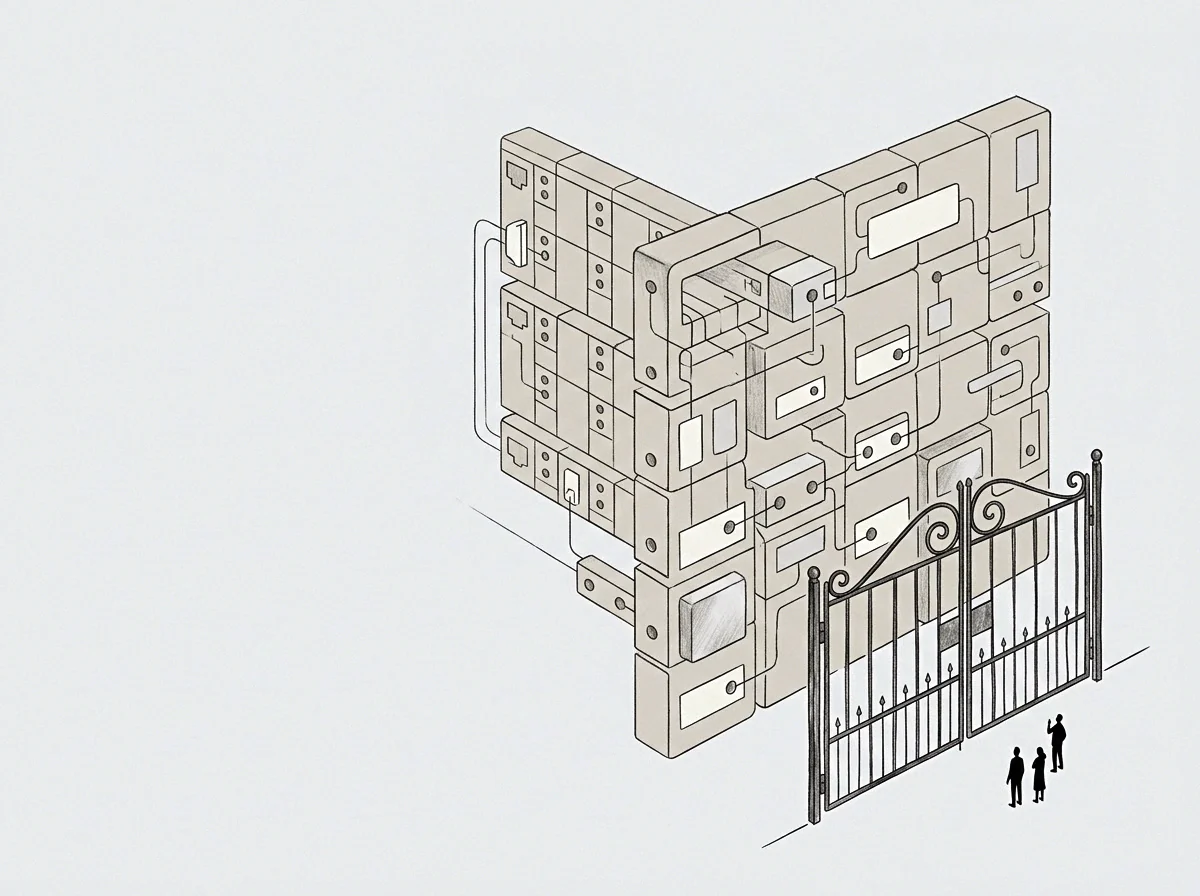
Meaning
Structural separation mechanisms prevent active founders or major equity holders from overriding established board procedures and executive authorities. In corporate management, governance insulation establishes explicit legal and procedural barriers between equity ownership and operational command. This structure ceases to apply when a shareholder control threshold grants unilateral authority to amend company bylaws or dissolve the board.
Board Autonomy
Independent directors require explicit procedural protections to evaluate company performance without fear of immediate removal by a dominant founder. Through governance insulation, formal board committees handle executive compensation and audit functions through objective metrics rather than personal preference. When a former chief executive remains on the board, structural insulation protects the sitting executive team from informal instructions or direct operational intervention.
The operational cost of maintaining these boundaries involves increased administrative formality and slower strategic pivots, yet the structure protects minority investors and institutional credibility.
Executive Safeguard
Professional chief executives hired after a founder step-down rely on formal charter provisions to maintain managerial authority. When governance insulation fails, executive authority erodes as employees bypass management to seek guidance from founder directors. Clear board rules prevent backchannel directives.
Transition Friction
Establishing structural barriers between ownership and management creates interpersonal friction during early post-founding years. Founders who built businesses through direct intervention often perceive formal governance insulation as an artificial constraint on speed. The tension subsides only when clear capital allocation protocols replace informal founder oversight, securing long-term operational consistency.