
Allocating Calendar Blocks Between Line Operations And Structural Governance
Dividing calendar blocks between line operations and structural governance protects systemic oversight from being consumed by daily tactical emergencies.

Slot
A Monday morning calendar displays three shaded two-hour windows reserved for policy development, yet an unread production delay notification from midnight claims the first ninety minutes. Tactical tasks demand immediate cognitive processing because customer invoices, supply chain bottlenecks, and equipment failures present concrete financial consequences. High-level organizational oversight produces returns over quarters rather than hours.
An operator standing between these two pressures defaults to resolving immediate friction because operational systems deliver instant verification of effort. Structural work generates delayed outputs that remain invisible during initial execution.

Operational Intrusions on Scheduled Time
Tactical disruptions arrive through direct messaging and email without structural filters. Customer escalations, vendor disputes, and staff questions flood executive calendars whenever operational boundaries remain undefined. These line duties place continuous pressure on executive attention, with each incoming operational alert creating an artificial sense of urgency that displaces long-term planning tasks.
When an operator holds both execution and oversight roles, operational duties routinely consume hours designated for governance. Blocking out time on a digital calendar provides zero protection against real-time operational fires. Without active operational buffers, tactical emergencies routinely erase planned governance hours, forcing a continuous sequence of compromises where immediate revenue protection takes precedence over long-term system design.
The Switching Penalty in Dual-Seat Operations
Cognitive resources drain rapidly when an operator shifts between immediate firefighting and delayed system construction. Moving from inventory reconciliation directly into long-term equity strategy forces a complete reset of working memory and mental models. Cognitive fatigue sets in when calendar schedules mix tactical execution and high-level governance within the same morning.
Research in task management demonstrates that cognitive re-engagement after a tactical interruption takes up to twenty-three minutes. An operator who permits four line interruptions during a dedicated two-hour governance session loses the entire window to context switching. The resulting output yields superficial policy draft fragments rather than comprehensive structural architectures.
Leaving calendar allocations unprotected against daily line friction guarantees that long-term structural assets remain unbuilt while operational capacity plateaus.

Spill
Tactical tasks possess an immediacy that commands human focus, whereas governance objectives yield returns only across extended quarters. Line operations create immediate feedback loops: an unresolved client query generates instant friction, while an unwritten operating procedure creates silent inefficiencies that accumulate over years.

Asymmetric Pressure Dynamics Between Execution and Governance
Daily line tasks generate instant real-time feedback loops from customers and team members. Strategic planning lacks an external party demanding immediate delivery. Consequently, unshielded calendar entries marked for structural improvement collapse under the weight of daily operational escalation.
Operators who attempt to preserve governance time through willpower alone discover that situational urgency consistently overrides calendar intention. The asymmetry between immediate pain and delayed compensation creates an environment where structural governance remains perpetually postponed.
A scheduled governance block erodes within ten days when operational escalations bypass tactical middle managers.
Structural Decay from Continuous Preemption
Organisations suffer when strategic reflection yields continually to short-term troubleshooting. The immediate consequence of preempted governance time is the persistence of structural flaws within the business. Operational bottlenecks remain unaddressed because the hours required to redesign workflows are repeatedly converted into tactical labor.
Over extended periods, continuous preemption creates an enterprise dependent entirely on founder intervention. The organization loses the ability to execute baseline workflows without executive oversight. This dynamic reinforces the operator’s operational load, creating a self-sustaining cycle of operational fire-fighting.
- Operational Intrusion occurs when real-time client or production issues breach calendar blocks allocated for corporate strategy.
- Context Degradation happens when executive focus remains fractured by incoming tactical messaging during governance hours.
- Structural Stagnation emerges when enterprise architecture receives zero dedicated focus for two consecutive quarters.
- Governance Eviction develops when tactical emergencies permanently replace long-term organizational planning sessions.
Can Isolated Blocks Survive Unfiltered Line Escalations?
Protected calendar space collapses whenever lower-level technical emergencies lack an explicit filtering barrier. Line operations expand naturally to occupy all unshielded calendar slots.
A calendar entry functions as a passive intention rather than an active constraint. Without explicit escalation protocols that restrict line issues from reaching executive focus during protected hours, operational noise floods the executive seat. Protective structures must intercept tactical demands before those demands reach executive attention.
This leaves open the operational question of whether a small enterprise can ever establish durable governance structures without completely separating the person holding the governance seat from daily line responsibilities.
Board
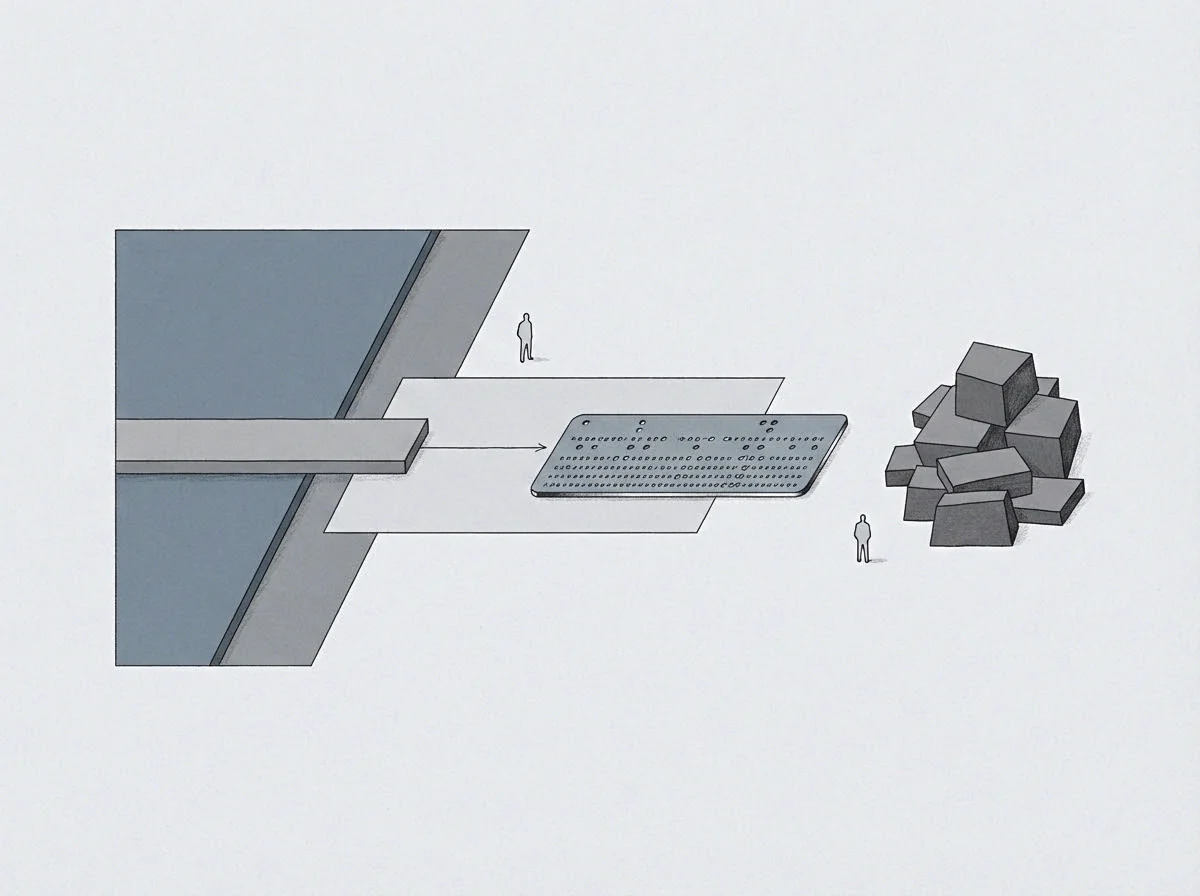
Fulfilling oversight responsibilities demands an entirely different mental orientation than directing daily workflow. The governance seat evaluates systemic health, regulatory compliance, capital allocation, and long-term enterprise value. The operator seat focuses on daily throughput, immediate client satisfaction, and short-term problem resolution.
Mixing these seats within identical working conditions undermines both functions.
Governance Seat Requirements Against Execution Demands
Directing high-level organizational structure demands broad contextual vision across financial and operational dimensions. Executive governance requires extended blocks of uninterrupted reflection to analyze performance patterns, evaluate risk exposure, and refine institutional design.
Execution duties prioritize immediate responsiveness, speed, and linear troubleshooting. When governance time is scheduled in short thirty-minute increments between operational meetings, the operator remains trapped in execution mode. Effective structural oversight demands dedicated full-day or half-day blocks isolated from routine communications.
When structural governance hours lack dedicated physical or calendar boundaries, immediate customer demands claim the entire executive schedule.
| Block Parameter | Line Operations Blocks | Structural Governance Blocks |
|---|---|---|
| Primary Objective | Tactical task resolution and immediate throughput | System design, capital allocation, and risk management |
| Feedback Loop Velocity | Immediate (minutes to hours) | Delayed (months to quarters) |
| Interruption Tolerance | High (designed for dynamic operational adjustments) | Zero (requires continuous deep focus) |
| Minimum Effective Duration | Fifteen to thirty minutes | Three to four hours |
| Location Requirements | Active operational floor or live messaging channels | Isolated environment free from operational triggers |

Defining Hard Boundaries for Structural Time
Protecting reserved focus periods demands formal operational rules rather than passive calendar entries. Effective boundary enforcement involves explicit structural commitments that prevent line duties from encroaching on oversight blocks.
Hard boundaries stipulate specific physical locations, channel lockouts, and designated delegation proxies during governance hours. An operator entering a structural block disconnects from real-time operational communications, leaving tactical authority with line management. Stipulating a mandatory forty-eight-hour advance freeze on structural calendar blocks converts default line availability into explicit governance capacity.
Ratio
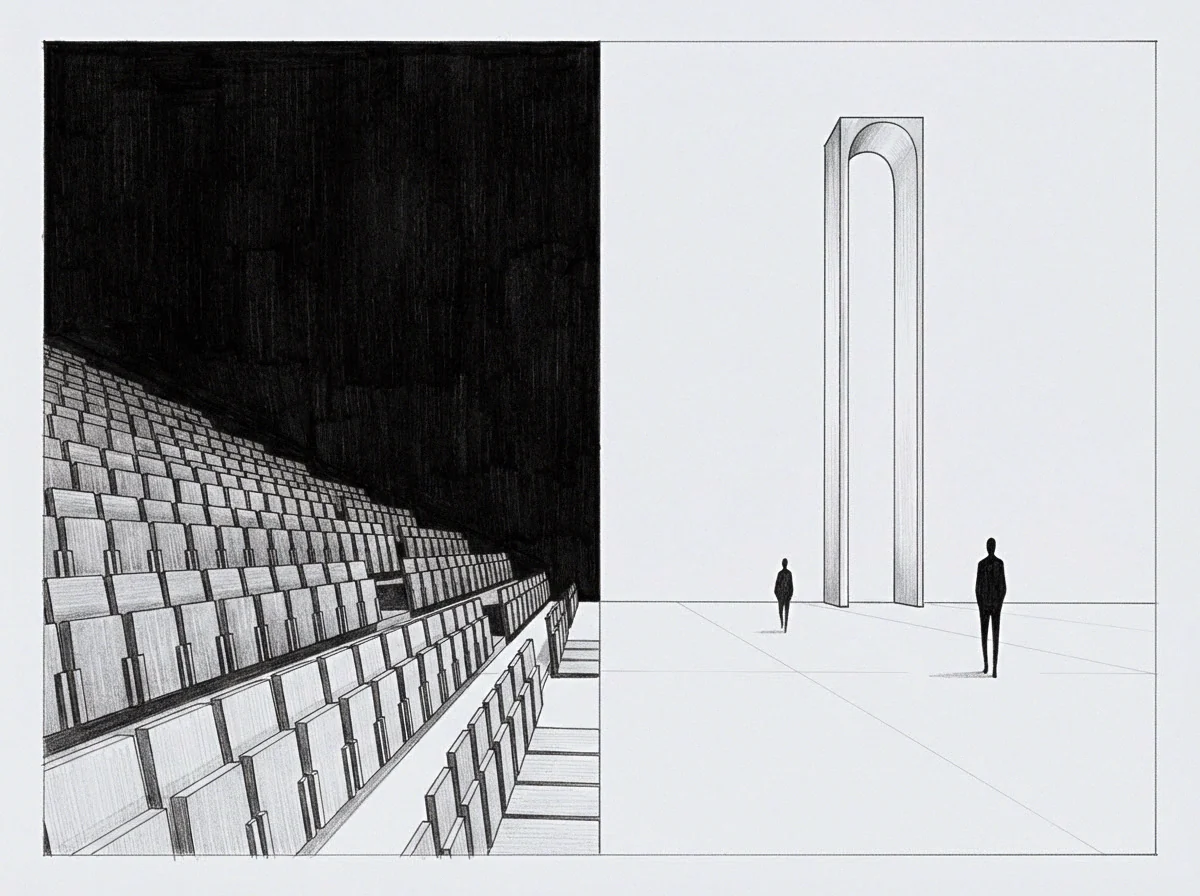
Proportional distribution of executive hours changes as a firm matures across operational stages. Early-stage enterprises require heavy operational investment from ownership. Mature enterprises demand dedicated structural oversight to sustain growth and mitigate enterprise risk.

Worked Allocation Across Growth Horizons
Assume an owner-operator runs an enterprise generating five million in revenue with thirty full-time staff. The business operates across three distinct growth horizons, each demanding a specific ratio of operational to governance hours. In this scenario, the operator tracks weekly commitments across a forty-five-hour allocation baseline.
In the initial phase, tactical line operations claim thirty-six hours weekly, leaving nine hours for fundamental structural design. As line operations stabilize, the operator shifts fifteen hours to systemic governance, establishing dedicated weekly blocks for process engineering and financial control. Upon reaching organizational maturity, the operator allocates twenty-seven hours to structural governance and strategic oversight, restricting direct operational involvement to eighteen hours.
Structural work yields delayed compounding returns.
Tactical work expands to fill available calendar capacity unless structural governance time is treated as an unalterable external constraint.
- Quantify current weekly hours spent on immediate line troubleshooting and tactical execution.
- Categorize executive calendar blocks into execution duties, managerial integration, and corporate governance.
- Establish a minimum quarterly threshold for uninterrupted structural governance hours.
- Shift tactical decision authority to designated line managers through explicit policy documentation.
- Audit calendar adherence bi-weekly to identify operational leakage into governance blocks.

Evaluating Dynamic Time Allocation Models
Adjusting weekly commitments based on organizational lifecycle metrics keeps leadership focus aligned with structural needs. Dynamic time allocation prevents executive attention from remaining locked in legacy execution roles as the organization expands.
When an enterprise faces market volatility or rapid scaling, the required proportion of structural governance hours increases. Governance mechanisms must adapt to protect strategic capacity during periods of operational stress. Operational team leads observe that governance blocks feel like vacant executive hours whenever immediate client tickets remain unresolved in the queue.
Margin
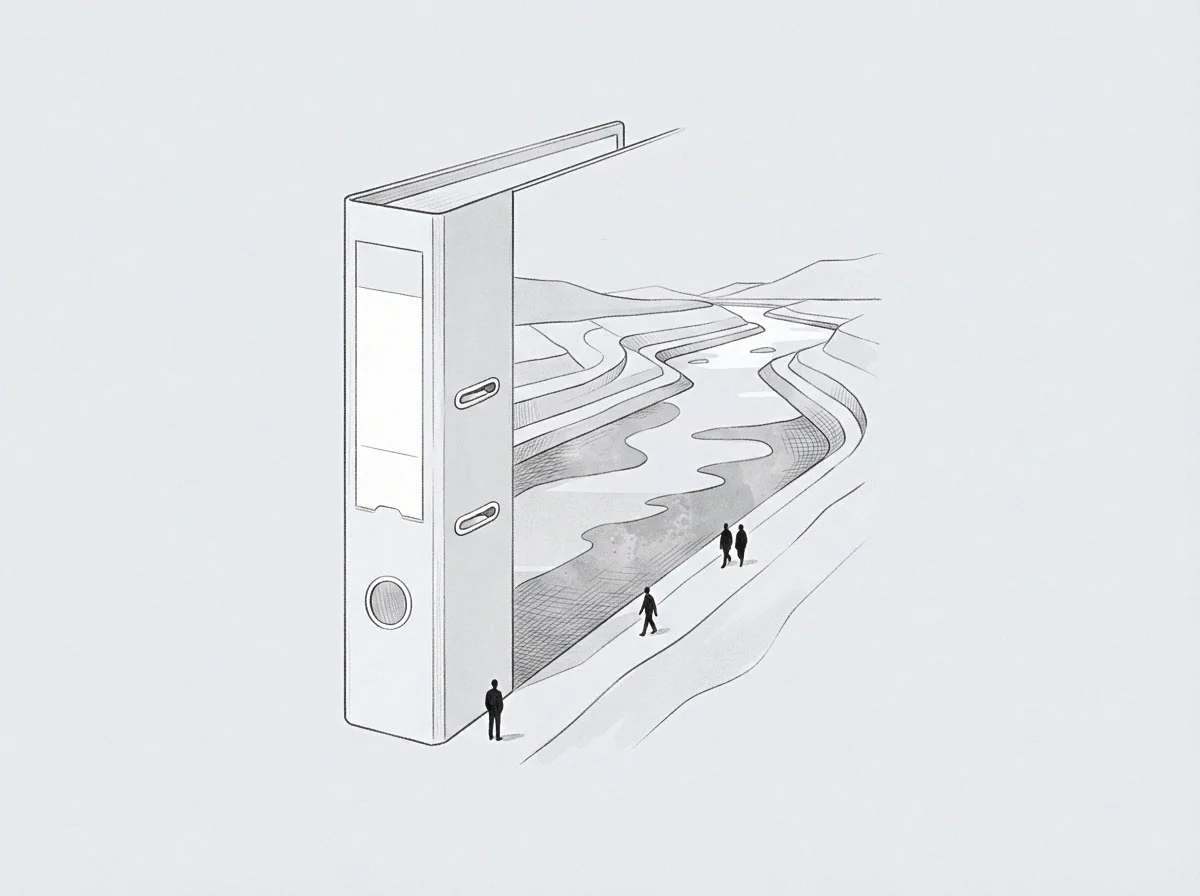
Maintaining excess capacity inside daily schedules prevents tactical emergencies from consuming structural governance hours. An overcommitted calendar leaves zero room for unexpected operational friction. Tactical operational spikes immediately consume governance blocks when operational schedules run at maximum capacity.

Protecting Time Reserves for System Redesign
Building robust organizational architectures demands uninterrupted periods reserved specifically for deep systemic evaluation. System redesign requires comprehensive evaluation of operational data, financial modeling, and workflow structure.
Establishing deliberate slack within line operations protects governance blocks from operational overflow. When line teams operate with built-in time cushions, routine escalations are absorbed without requiring executive intervention during governance windows.
An operator who spends forty hours troubleshooting production lines enters quarterly governance meetings with zero systemic structural improvements prepared.

Operational Buffer Mechanics for Sustainable Oversight
Strategic governance thrives when tactical workflows carry built-in time cushions. Operational buffer mechanics include designating specific time windows for emergency escalations, establishing explicit decision thresholds for line managers, and maintaining reserve operational staffing.
By engineering structural margins into daily workflow, management prevents operational fires from breaching executive calendar blocks. Sustainable oversight depends on the systematic isolation of governance hours from daily execution friction. Structural time allocation succeeds only when operational buffer capacity equals or exceeds the average volume of daily tactical escalations.