Meaning
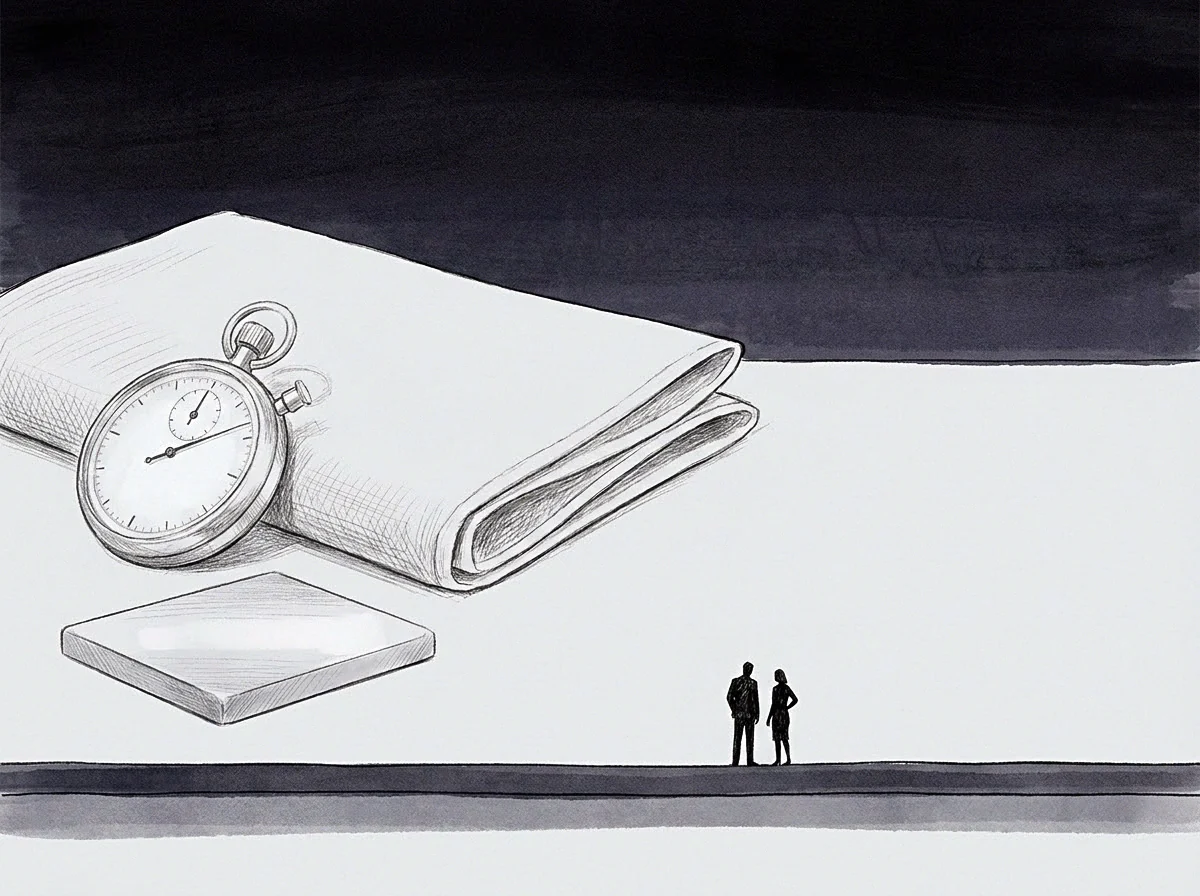
The unwritten influence that an individual continues to exert over organizational culture and employee behavior operates independently of formal hierarchy. Exercising such implicit authority allows a departed founder to shape decisions even after stepping down from executive office. This influence operates within the limits of social respect and stops where legal contracts dictate official action, protecting the formal chain of command.
Cultural Influence
Employee loyalty often centers on the personality and values of the enterprise’s creator rather than the current executive team. This loyalty reinforces the implicit authority of the founder, as workers instinctively look to them for validation during times of organizational change. The presence of this influence can either stabilize or disrupt a new leader’s agenda.
Structural Friction
New executives often face difficulty establishing their own mandate when a predecessor remains visible in the office. In this environment, implicit authority creates parallel lines of communication, occasionally bypassing the formal chain of command. Resolving this tension requires the founder to deliberately withdraw from the workplace to allow the new chief executive to lead.
Cognitive Demand
Holding influence without formal responsibility creates a complex psychological state for the individual. Managing this implicit authority requires constant self-censorship to avoid undermining the official successor. The effort to remain silent consumes substantial mental capacity.