
Resolving Successor Legitimacy and Governance Authority Friction During Founder Board Transitions Without Severing Institutional Memory
Clear division between governance supervision and executive command preserves historical memory while granting the successor total operational sovereignty.

Split
A successor executive sits at the head of the conference table during the third quarterly operational review while the departed chief executive sits three seats away as board chair. Department heads direct operational updates toward the chair, waiting for a nod before confirming division budgets. The successor holds signing authority, title, and executive compensation, yet operational adjustments pause until the prior leader assents.
This pattern produces a divided executive structure across the business.
Authority fractures between formal rank and historical deference. Studies on executive role transitions show that formal appointments rarely guarantee operational command when the person who built the business stays on the supervisory board. Long-tenured staff bypass the new appointee through direct calls and informal hallway discussions, checking with the chair on matters assigned to executive management.
The presence of a firm creator on the supervisory committee slows successor operational autonomy whenever legacy staff retain direct informal communication channels.
When the new officer restricts direct contact with the chair, the move often prompts defensive staff resistance. Department managers treat the rule as unnecessary control, while the chair views it as disregard for institutional history, leading to informal conversations among fellow directors to protect senior employees. Agendas slow, and capital allocations stall when the incoming officer’s operational plan conflicts with unwritten corporate practice.
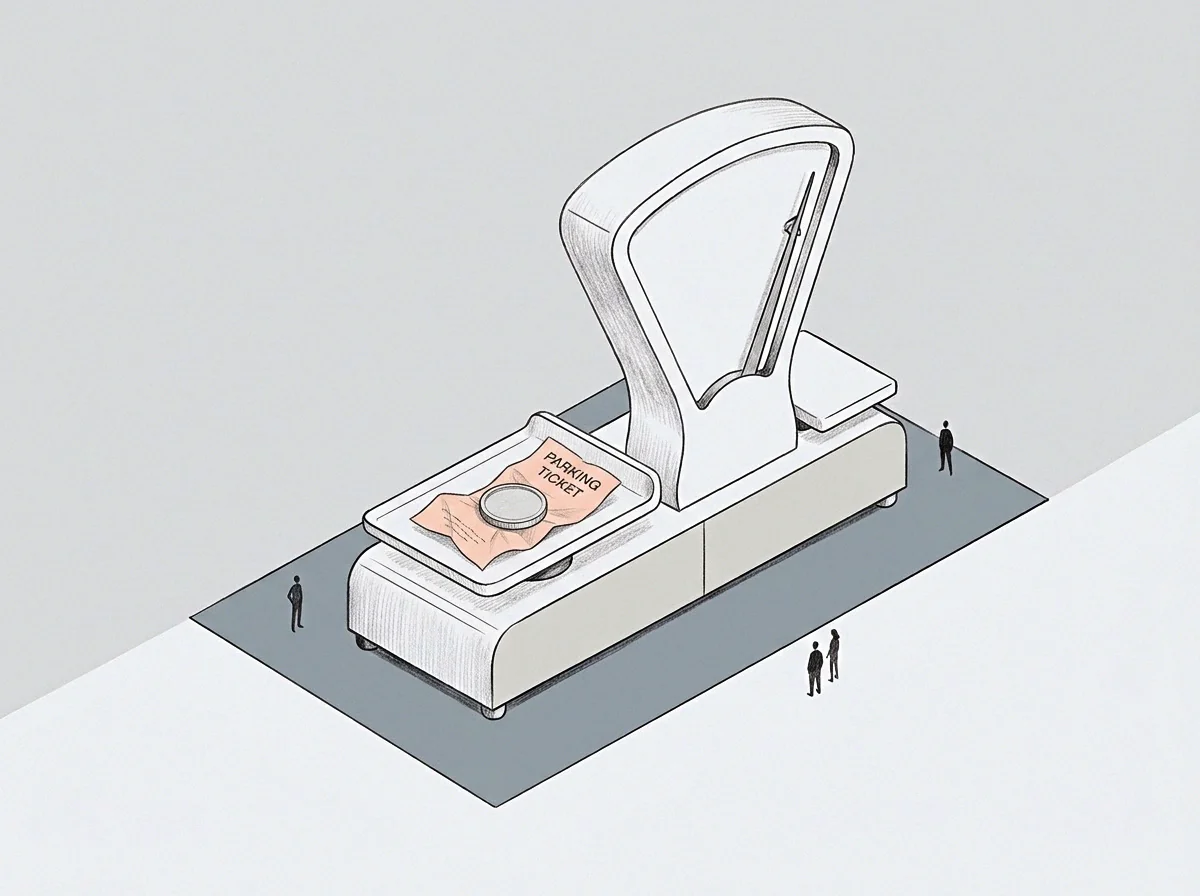
The Shadow Executive Dynamic
Department managers manage career exposure during an executive transition. Rather than committing entirely to an unproven leader, they hedge their standing by bringing proposals to the board chair under the guise of casual updates, turning routine operations into an informal assessment of the successor. The former leader rarely intends disruption in these conversations, acting instead on operational habits built over decades of direct management.
The resulting operational delay absorbs administrative attention and capital. Initiatives require duplicate reviews: first with the executive team, then informally with the former leader to prevent resistance at the upcoming board meeting. When this division persists, department heads leave, capital deployment slows, and the firm absorbs the expense of dual leadership through redundant payroll and weakened client retention.

Wall
Separating governance oversight from operational command requires formal documentation rather than mutual goodwill. When an organization moves its founder into the chair role, the board must establish clear jurisdictional lines. Information routing protocols define how corporate data reaches non-executive directors.
The former executive receives quarterly reporting packages, audited statements, and committee briefings alongside independent directors, ending unscheduled operational updates.
Informal hallway discussions about daily workflow stop under this governance structure. Staff who contact the chair regarding compensation reviews, tactical sales disputes, or vendor selection receive immediate referral back to the chief executive. A chair who reviews operational grievances operates outside non-executive duty, and maintaining the boundary depends on adherence to assigned roles.
Structural governance succeeds only when the boundary between operational execution and shareholder oversight remains impenetrable to casual backchannels.
The incoming officer retains discretion over operational execution, hiring, and departmental budgets within board-approved parameters. The former leader exercises oversight through board votes, committee work, and formal chief executive compensation reviews, with neither role crossing into the other’s remit uninvited.
| Domain Criterion | Successor Executive Authority | Board Chair Supervision |
|---|---|---|
| Personnel Management | Direct hiring, dismissal, and operational review of all staff | Oversight limited to chief executive performance assessment |
| Capital Expenditure | Discretionary deployment within annual board budget limits | Approval of major transactions exceeding budget thresholds |
| Client Engagement | Primary commercial representation and contractual commitment | Advisory participation solely at executive request |
| Information Access | Unrestricted continuous access to enterprise systems | Scheduled distribution of board materials and audits |
A defined structural separation limits the friction that disrupts leadership changes. If an outgoing leader struggles with operational detachment, an independent lead director can manage the interface between the two offices. The lead director chairs executive sessions, oversees the chief executive’s annual review, and addresses interpersonal strain, allowing the chair to act strictly as a board-level counselor.
An organization that permits blurred lines between supervisory oversight and daily management compromises both operational speed and managerial accountability.
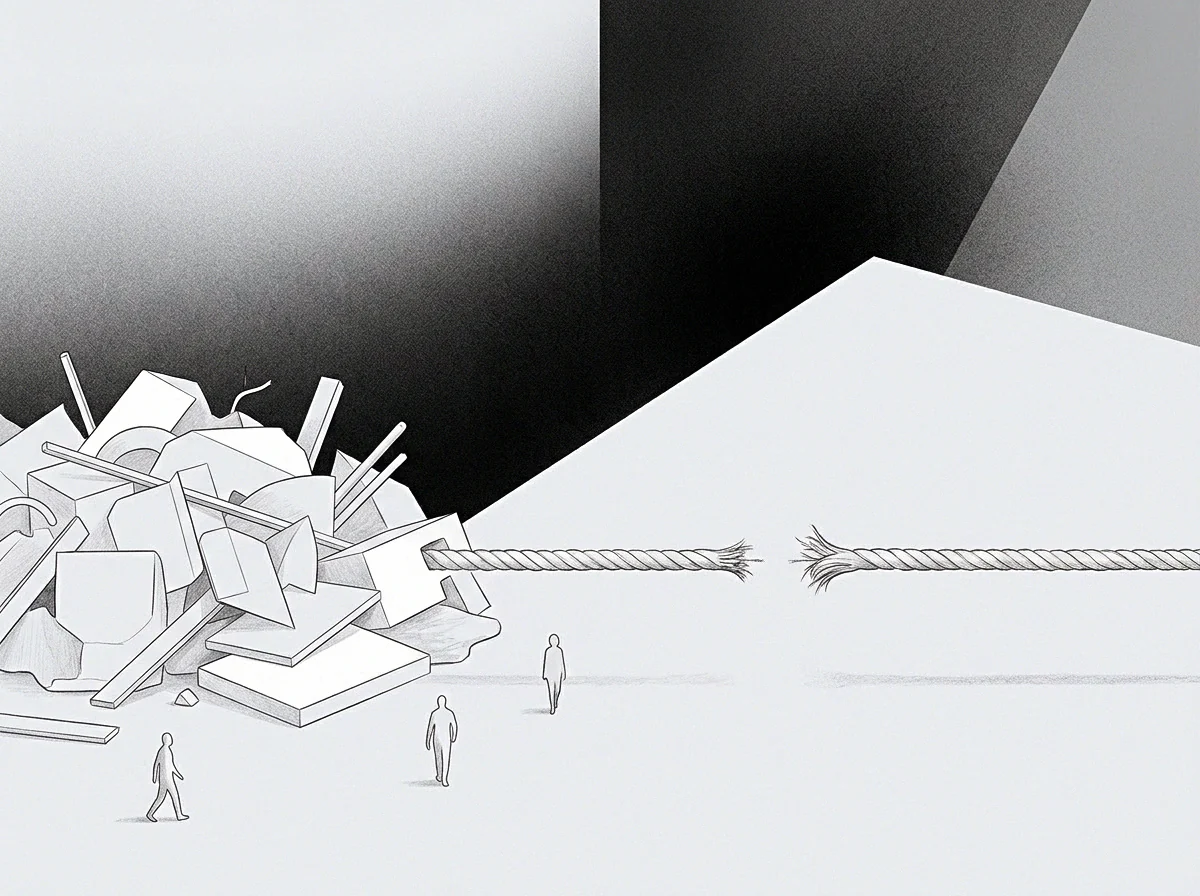
Record
Capturing decades of accumulated institutional context is an administrative problem distinct from setting jurisdictional boundaries. Much of what made a founding leader effective exists as tacit knowledge: unwritten relationship histories, past technical failures, and intuitive risk assessments that do not appear in regular corporate records. When organizations cut this thread abruptly, successors risk repeating past errors, straining regulatory contacts, and damaging established client goodwill.
Preserving this context requires formal documentation before the transition concludes. Structured elicitation interviews conducted by an independent corporate secretary translate working memories into written institutional records. These sessions isolate earlier operational choices, documenting vendor compromises, regulatory history, and the rationale behind legacy technical architecture.
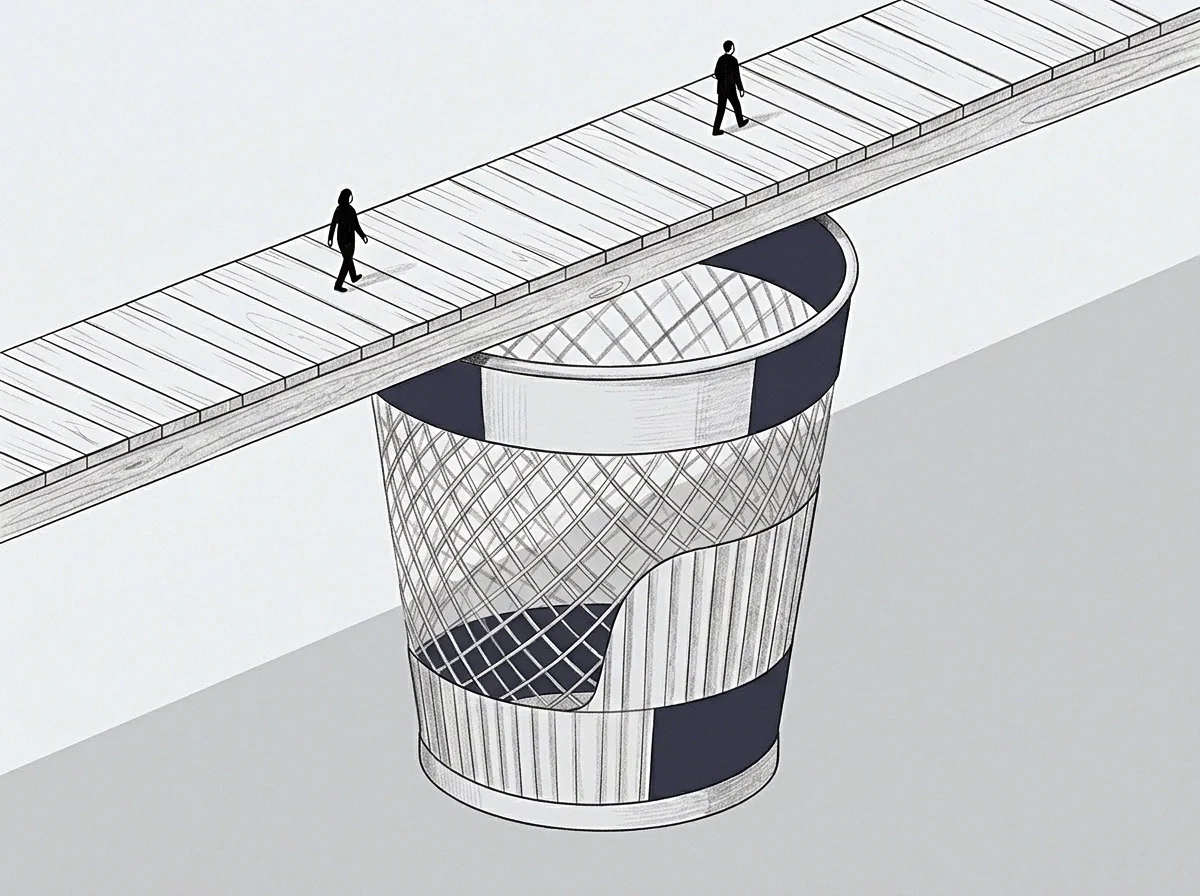
Where Does Institutional Recall Turn Into Interference?
Historical context becomes interference when feedback arrives unrequested. Institutional memory functions as an archive rather than an active control loop. A successor consults that background to understand why a joint venture agreement includes an unusual indemnity clause or why a specific supplier receives accelerated payment terms.
Once the outgoing leader volunteers unsolicited operational critique, historical memory turns into an administrative impediment.
A structured approach organizes institutional recall into distinct assets:
- Relational dossiers record the temperament, personal motivations, and unwritten agreements governing critical client and regulatory partnerships across the past decade.
- Failure registries catalog defunct product prototypes, terminated acquisitions, and aborted technical experiments with candid assessments of why each initiative collapsed.
- Strategic covenants define the core operating principles that cannot be modified without deliberate shareholder consent, distinct from tactical procedures.
Memory functions as a reference library that informs current leadership rather than an active supervisory steering wheel.
An advisory contract with defined scope and clear expiration dates ties the transfer of institutional background to written deliverables instead of continuous supervisory involvement.
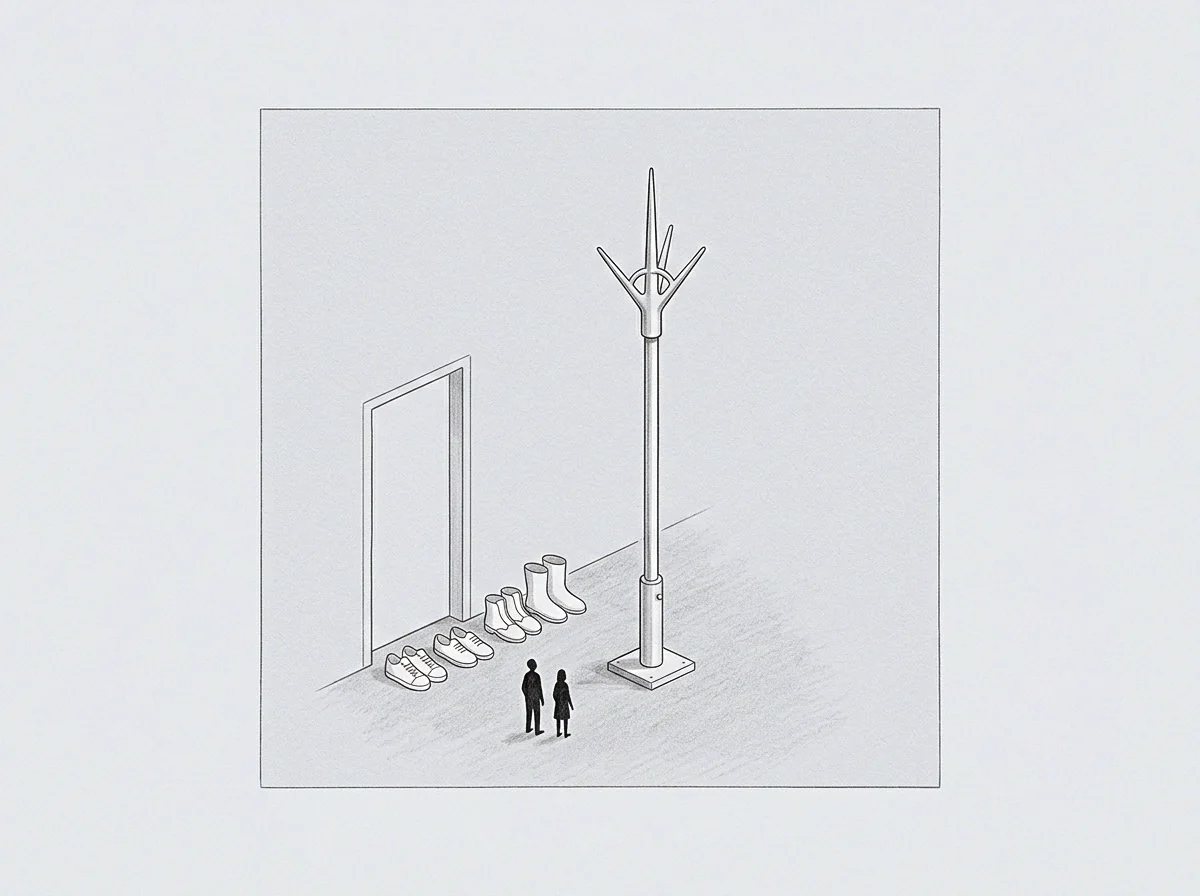
Forum
The boardroom serves as the setting where successor authority is either recognized or eroded before independent directors and institutional shareholders. When a founding leader retains a controlling voting block or an executive chair seat, board meetings can become automatic approvals of legacy policy. To counterbalance this tendency, the governance committee must adjust both the procedural rules and the conduct of the boardroom.
Independent directors must meet in regular executive session without the former leader in attendance. This isolation allows the board to review performance metrics directly, assess capital allocation proposals on operational merit, and provide unmediated feedback to the incoming leader. In addition, the successor executive must prepare and lead the board agenda, selecting which strategic items require director review.
An active predecessor on the board changes room dynamics. Directors often watch the chair for non-verbal cues during capital requests to see whether the creator of the business supports the direction. Independent members must direct questions back to the active chief executive, reinforcing operational responsibility in front of all voting members.
The transfer functions only when the incoming executive team treats historical board precedent as reference material rather than an unalterable rule.
Mandate
Authority cannot be granted by board resolution alone. It develops through consistent operational performance, commercial results, and a willingness to retire legacy systems that no longer meet operating conditions. The successor establishes standing with the executive committee by stabilizing financial performance, removing chronic bottlenecks, and executing necessary personnel adjustments that the original leader deferred out of personal loyalty.
The concluding phase of succession requires the complete withdrawal of the founding figure from supervisory governance. The leadership transfer finishes when the original builder steps down from the chair to take an emeritus advisory role without voting rights or fiduciary control. At that point, enterprise governance rests entirely with active leadership.
Legitimacy settles permanently on the successor who survives early friction, delivers audited performance, and outlasts the gravitational pull of the founder seat.
An organization that completes this process retains the operational foundation built at its inception while maintaining the flexibility required for new commercial demands. The enterprise separates the original work of its founder from ongoing corporate governance, preserving both.
How completely an organization can separate its continuity from the personal working habits of its creator remains an open question in corporate governance.