Meaning
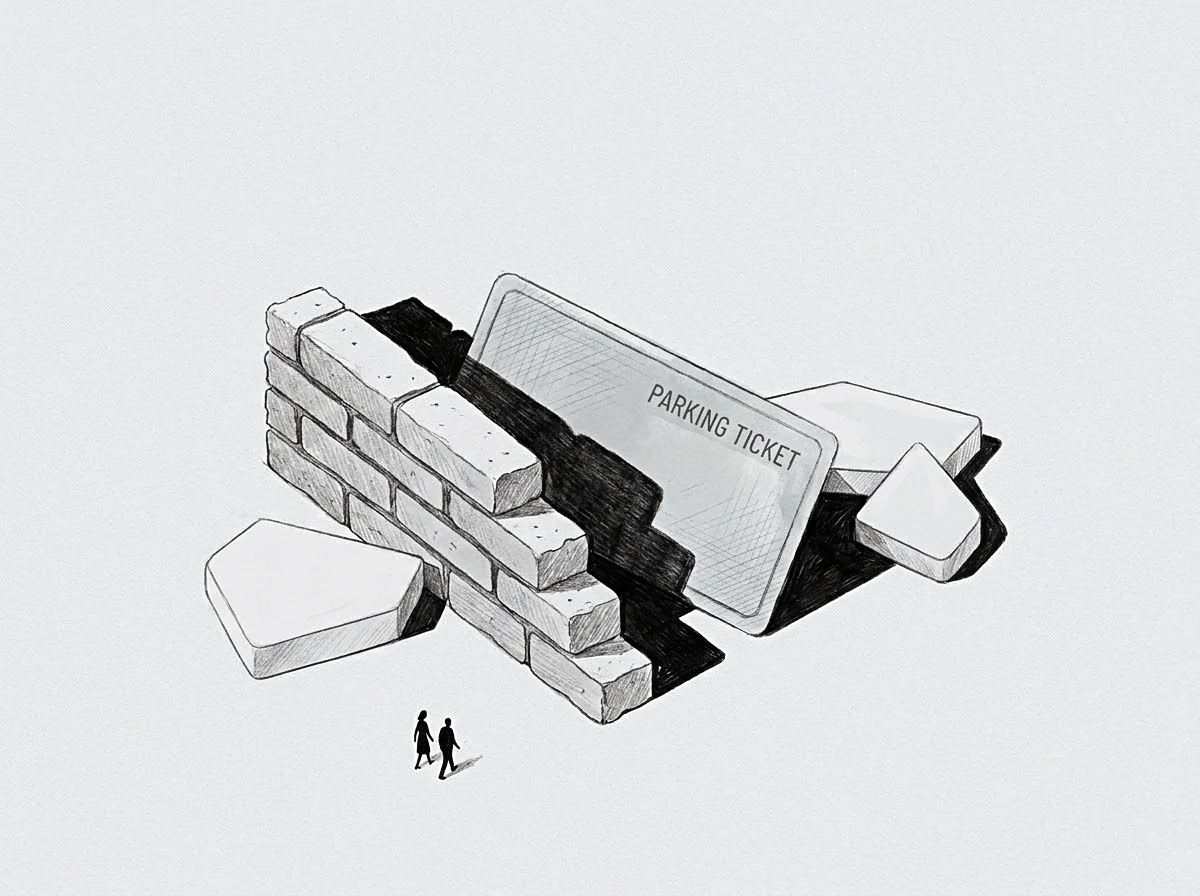
Formal demands for financial compensation arise when one party to an acquisition agreement asserts that the counterparty breached contractual representations or operational covenants. In mergers and acquisitions, an indemnification claim operates to recover actual financial damages incurred from pre-closing operational liabilities or unrevealed company debts. The procedure establishes an avenue to adjust the effective transaction economics after legal title has transferred.
Contractual protection stops applying to liabilities expressly assumed by the purchaser or to claims asserted after negotiated survival periods expire.
Procedure Framework
Procedural rules require the claiming entity to deliver timely written notice outlining the specific contractual covenant violated and the calculated monetary loss. Transaction agreements prescribe precise response windows, typically thirty to sixty days, during which the indemnifying founder can dispute the factual assertions or evaluate proposed agreements with third parties. Uncontested demands draw directly against escrow funds, whereas contested matters move toward formal arbitration or mediation as prescribed by the contract.
Personal Expenditure
Responding to these demands drains personal energy and operational focus from a founder who has ostensibly completed their company sale. A serious indemnification claim requires the former operator to dedicate hundreds of hours to assembling historical operational records and reconstructing past accounting decisions. Transaction agreements frequently force the founder to finance independent transactional counsel from personal assets while the dispute remains active, generating substantial cash outlays before any resolution occurs.
That defensive posture strains cognitive capacity and pulls attention away from new entrepreneurial ventures or post-sale employment. The former owner carries the emotional cost of defending decisions made during early company growth while knowing that unfavorable outcomes directly reduce realized transaction proceeds.
Defense Limitation
Contractual provisions strictly regulate how third-party lawsuits trigger reimbursement rights. If an indemnification claim stems from third-party litigation, the seller often holds the right to assume the legal defense at their own expense provided they acknowledge coverage obligations in writing.