Meaning
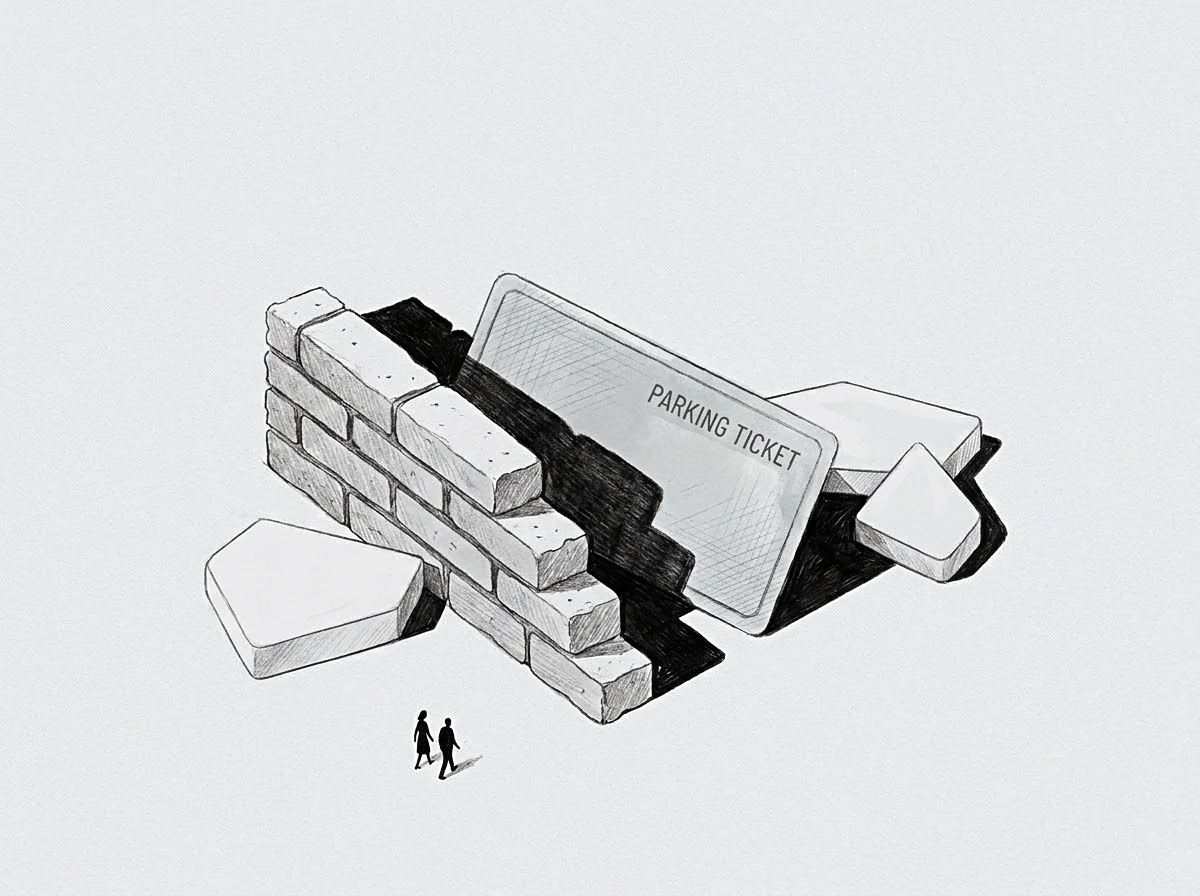
External architectural reliance defines a state where operational stability shifts to a third party or a modular component outside direct management. System dependency risk arises when an organization anchors internal workflows to tools, platforms, or services that fall beyond its immediate control. This condition creates a structural vulnerability that surfaces if the provider alters performance parameters or terminates access.
The reach of this condition covers technical infrastructure, proprietary data storage, and essential communication channels.
Dependency Exposure
High concentrations of reliance on single sources limit the maneuverability of the person holding the seat. Managers encounter friction when attempts to switch providers trigger substantial migration costs in hours and capital. Redundancy planning acts as the primary mitigation for this volatility.
Diversification of vendors reduces the probability of a total shutdown during an external failure.
Operational Penalty
Rigid links to external logic often strip away the authority of the lead technician during a system fault. Internal processes stall while waiting for resolution from the platform owner. Time lost in this interval represents a direct reduction in the capacity of the firm to deliver value to its clients.
Prolonged waiting periods force a reallocation of human attention to fire fighting rather than product development.
Interface Fragility
Complex integration layers heighten the likelihood of breakage during routine updates performed by the external party. Automated handshakes between software environments fail when hidden protocols shift without notice. Engineers compensate by building robust monitoring routines that flag deviations early.
Maintenance of these safeguards consumes a steady portion of the available technical budget.