Meaning
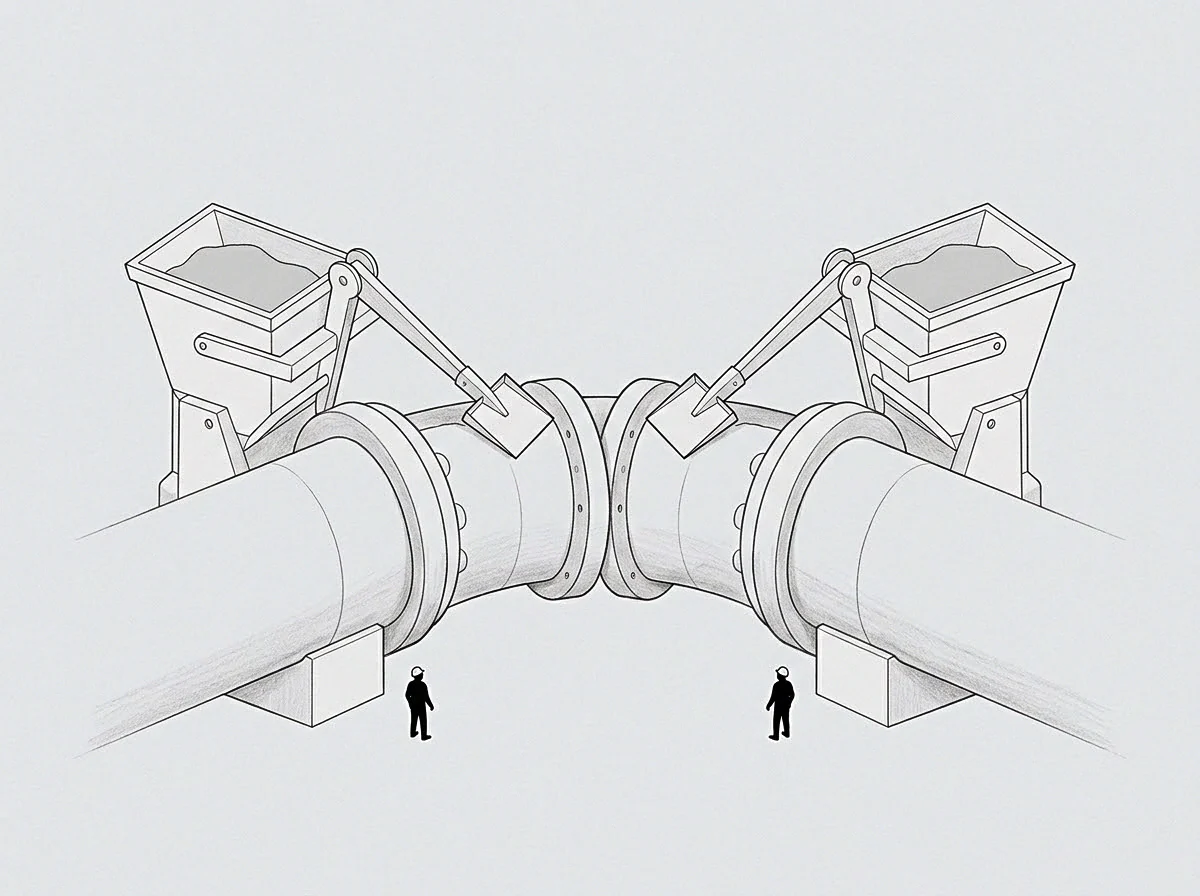
Administrative inertia describes the resistance generated when organizational protocols hinder the implementation of new strategic directions. This institutional friction arises because established procedures frequently prioritize stability over the rapid adaptation required by a changing market. The phenomenon limits the speed at which a person in a senior management seat can execute operational pivots.
Structural Penalty
Practitioners encounter this resistance when the cost of modifying internal workflows exceeds the gain from a new initiative. The effort required to gain approval across disconnected departments consumes available leadership attention and reduces overall operational capacity. A founder transitioning into an executive role faces this depletion as their primary constraint on performance.
Governance Lag
Hierarchical approval cycles delay the deployment of resources that are necessary for tactical adjustments. These cycles function as a tax on the time of the leadership team, diverting focus from market opportunities to internal coordination. The requirement for multiple signatures on routine expenditure illustrates how internal design slows down the responsiveness of the organization.
Outcome Variance
Persistent resistance forces a departure from the intended business model as the cost of compliance erodes the projected return on energy and capital. The gap between the planned transition and the executed reality grows as the organization exerts its preference for the status quo. Effective management requires the identification of these bottlenecks before they reach a critical mass that prevents structural change.